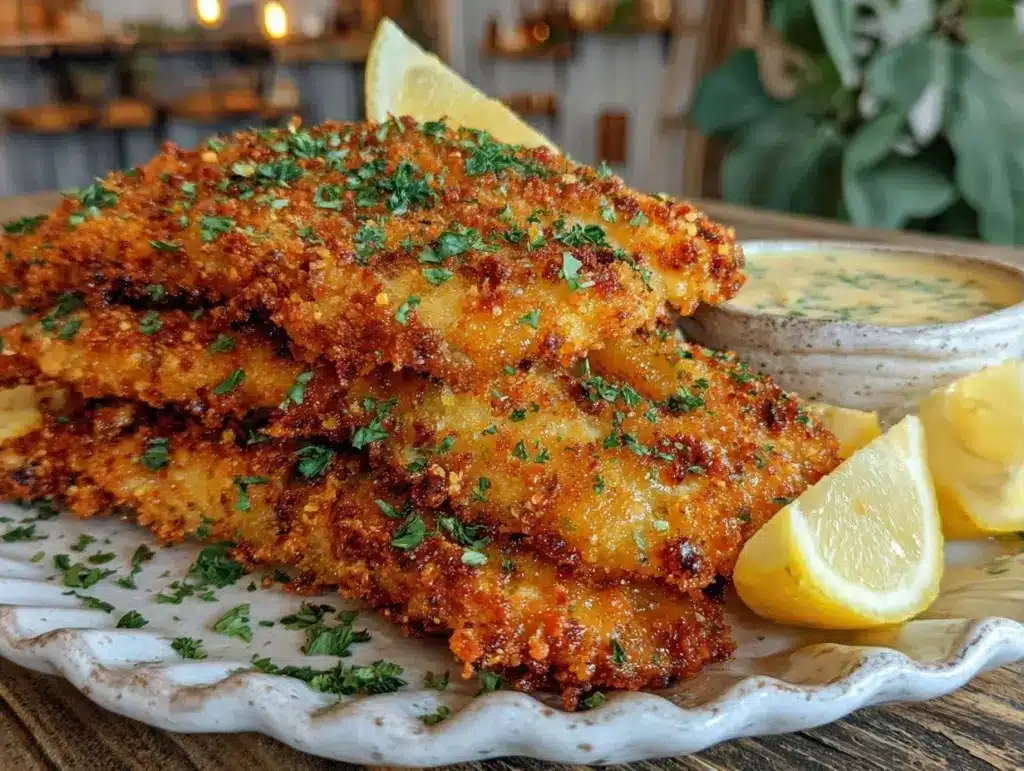
The smell of hot oil sizzling with cornmeal hits the back of your throat before you even hear the crunch. It is that specific, mouth-watering aroma that screams “home.” I remember the first time I made Crispy Southern Fried Catfish properly. It wasn’t in a fancy restaurant. It was in my tiny apartment kitchen during a rainy Tuesday in November.
I had just moved to the South and wanted to understand why everyone obsessed over fried fish. The previous night, I had tried a batter that turned out soggy and bland. It was a total disaster. I felt defeated, staring at a pan of gray, mushy fish sticks. Honestly, it was embarrassing. But I refused to give up on the idea of that golden, shattering crust.
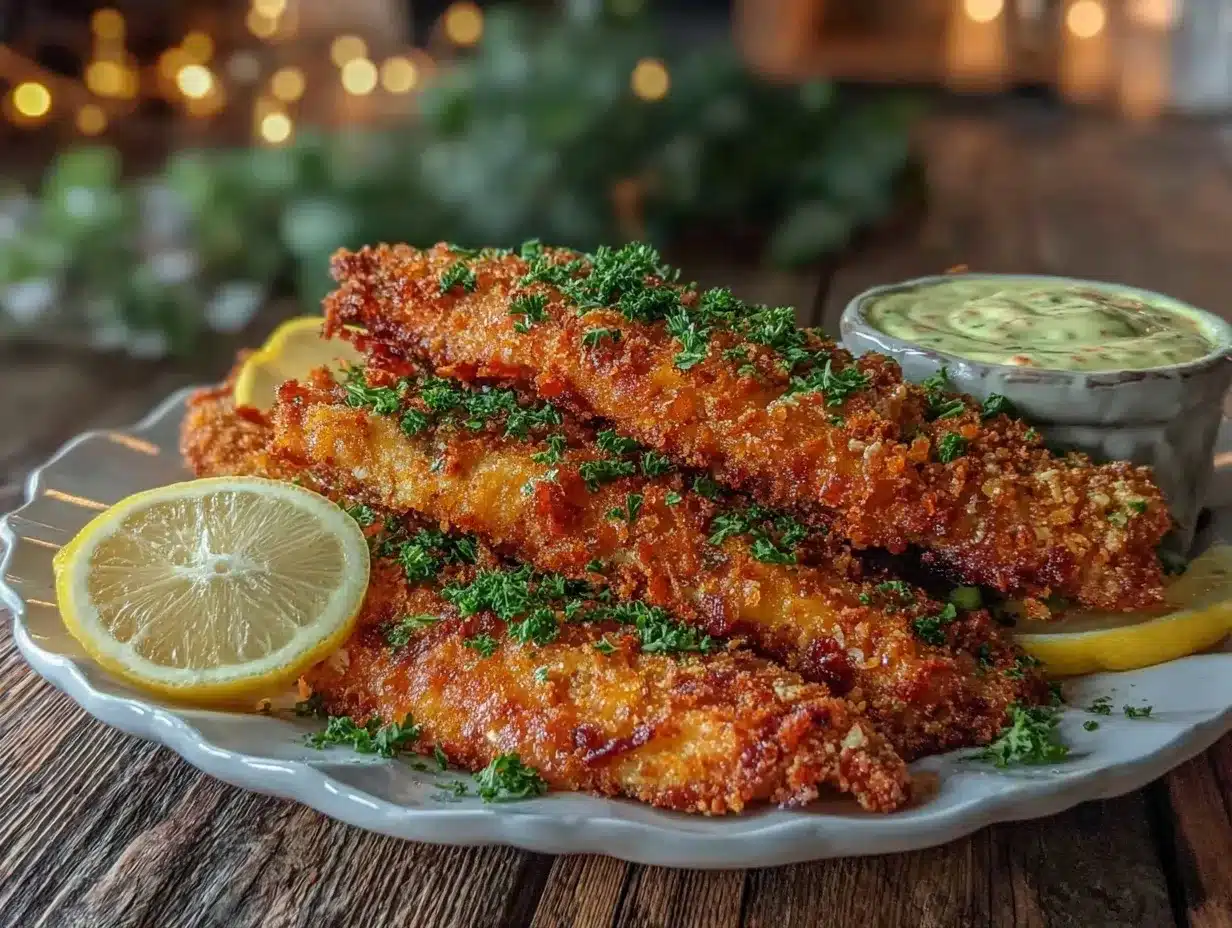
So, I adjusted my technique. I switched to buttermilk for the soak and added a secret pinch of smoked paprika to the dry mix. The result? Absolute magic. That first bite was loud. It cracked open to reveal tender, white flesh inside. It was the kind of meal that makes you close your eyes and just chew slowly. Now, I make this Crispy Southern Fried Catfish at least once a month.
This recipe is perfect for busy weeknights when you want something that feels special but takes less than thirty minutes. It is great for families who love seafood, or for anyone craving a bit of Southern comfort without the grease overload. After testing this over a dozen times, I know exactly how to get that perfect texture every single time. It is simple, reliable, and deeply satisfying.
Why You’ll Love This Recipe
There is a reason fried catfish remains a staple in Southern households. It is not just about the taste; it is about the experience. I have spent years refining this method to ensure it works for home cooks, not just professional chefs. Here is why this version stands out from the crowd.
- Quick & Easy: You can have this on the table in under twenty minutes of active cooking time. It is the ultimate solution for those “I forgot to plan dinner” moments.
- Simple Ingredients: You likely have everything you need in your pantry right now. Cornmeal, flour, spices, and buttermilk are pantry staples. No fancy grocery runs required.
- Perfect for Weeknights: This fits seamlessly into a busy schedule. It cooks fast and cleans up easily, making it ideal for Tuesday or Thursday nights.
- Crowd-Pleaser: Kids love the crunch, and adults love the flavor. It is a safe bet for potlucks or family dinners where tastes vary widely.
- Unbelievably Delicious: The combination of the tangy buttermilk soak and the spicy cornmeal crust creates a flavor profile that is next-level comfort food.
What makes this recipe different is the double-dredge technique I use. Most people just dip the fish in flour and fry it. That leads to a thin, patchy coating. By dipping it in buttermilk, then flour, then buttermilk again, and finally the cornmeal mix, you build layers. These layers create those deep, ridged crags that hold onto every bit of seasoning. It is not just another fried fish recipe; it is the best version I have found through trial and error.
It connects emotionally because it tastes like Sunday dinner at grandma’s house. It is comfort food reimagined for modern life—faster, but with the same soul-soothing satisfaction. You can impress guests without stressing over complex techniques. It turns a simple weeknight meal into a memorable event.
What Ingredients You Will Need
This recipe relies on high-quality, accessible ingredients to deliver bold flavor and satisfying texture. The key is balancing the tang of the marinade with the heat of the spices. I prefer using fresh catfish fillets, but frozen ones work too if thawed properly. Here is what you need to get started.
For the Buttermilk Marinade
- Buttermilk: 2 cups (adds richness and tenderizes the fish). If you cannot find it, mix milk with a splash of vinegar.
- Egg: 1 large egg, beaten (helps the coating stick to the buttermilk).
- Hot Sauce: 1 tablespoon (I recommend Tabasco for a classic kick, but Frank’s RedHot works too).
- Garlic Powder: 1 teaspoon (adds depth without chunks of garlic burning in the oil).
For the Dry Coating
- All-Purpose Flour: 1 cup (forms the base layer for the batter).
- Cornmeal: 1 cup (medium grind is best for that authentic Southern crunch). I recommend Stone Mill brands for better texture.
- Smoked Paprika: 1 teaspoon (this is the secret weapon for that smoky flavor).
- Cayenne Pepper: 1/2 teaspoon (adjust based on your heat tolerance).
- Onion Powder: 1 teaspoon (pairs perfectly with the garlic).
- Sea Salt: 1 tablespoon (do not skip this; it brings out the fish flavor).
- Black Pepper: 1 teaspoon (freshly cracked is always better).
For Frying
- Vegetable Oil or Peanut Oil: Enough to fill your skillet about 1/2 inch deep. Peanut oil has a higher smoke point, which is great for frying.
I always suggest looking for firm, boneless catfish fillets. They are mild and flake easily. For the cornmeal, avoid the super fine kind meant for polenta; you want that gritty texture for crunch. If you need a gluten-free option, you can swap the all-purpose flour for a 1:1 gluten-free blend, but the cornmeal must be certified gluten-free to avoid cross-contamination.
Equipment Needed
You do not need a deep fryer to make great fried fish. A heavy-bottomed skillet is actually better for home cooks. I use a cast-iron skillet because it holds heat incredibly well. This consistency prevents the oil temperature from dropping when you add the cold fish. If you do not have cast iron, a heavy stainless steel skillet works too.
You will need a large baking sheet or a wire rack to place the fried fish on after cooking. This keeps the bottom from getting soggy. A candy thermometer is helpful but not strictly necessary. If you do not have one, test the oil by dropping in a pinch of cornmeal. If it sizzles immediately and turns golden in thirty seconds, the oil is ready.
Use tongs for flipping the fish. They give you better control than a spatula, especially for delicate fillets. A paper towel-lined plate is essential for draining excess oil. Do not skip this step, or your fish will feel greasy. Budget-friendly options like a standard non-stick pan can work if you are careful with heat, but cast iron is worth the investment for frequent frying.
Preparation Method
Getting the preparation right is half the battle. Follow these steps carefully to ensure a crispy result every time.
- Prep the Fish (5 minutes): Pat the catfish fillets completely dry with paper towels. Moisture is the enemy of crispiness. If the fillets are large, cut them into serving-sized portions. Season the raw fish lightly with salt and pepper before marinating.
- Make the Buttermilk Mix (2 minutes): In a shallow bowl, whisk together the buttermilk, beaten egg, hot sauce, and garlic powder. The mixture should be thin and creamy. Submerge the fish fillets in this mixture. Let them soak for at least 15 minutes, or up to an hour in the fridge. This tenderizes the flesh.
- Prepare the Dry Dredge (2 minutes): In a large, shallow dish (like a pie plate), whisk together the flour, cornmeal, smoked paprika, cayenne, onion powder, salt, and black pepper. Make sure there are no clumps of spice. You want an even distribution of heat throughout the coating.
- The Double Dip Technique (5 minutes): Remove one fillet from the buttermilk, letting the excess drip off. Dredge it in the flour, pressing gently so it sticks. Dip it back into the buttermilk mixture, ensuring full coverage. Finally, press it firmly into the cornmeal mixture. Use your hands to pack the cornmeal into the crevices of the fish. This creates the craggy, crunchy exterior.
- Heat the Oil (5-7 minutes): Pour oil into your skillet to a depth of about 1/2 inch. Heat over medium-high heat until it reaches 350°F (175°C). If you do not have a thermometer, wait until the oil shimmers and a wooden chopstick inserted into it bubbles vigorously around the edges.
- Fry the Fish (3-4 minutes per side): Carefully place the coated fillets into the hot oil. Do not overcrowd the pan. Fry in batches if necessary. Cook for 3-4 minutes on the first side until deep golden brown. Flip gently and cook for another 2-3 minutes. The fish is done when it flakes easily with a fork and reaches an internal temperature of 145°F (63°C).
- Drain and Serve (1 minute): Remove the fish from the oil and place it on the wire rack or paper towel-lined plate. Let it rest for a minute before serving. This allows the crust to set and stay crispy.
If the oil smokes, turn the heat down immediately. If the coating burns before the fish is cooked, your heat is too high. Aim for a steady, gentle sizzle, not a violent roar.
Cooking Tips & Techniques
Professional chefs have a few tricks that make a huge difference in fried foods. One major mistake home cooks make is overcrowding the pan. When you add too much fish at once, the oil temperature plummets. The fish then absorbs the oil instead of frying it. This results in a greasy, soggy coating. Always fry in small batches.
Another tip is to let the coated fish rest for five minutes before frying. This allows the moisture in the coating to hydrate the starches. It helps the crust adhere better and prevents it from falling off in the pan. I learned this the hard way after watching my batter slide off in the oil during my first attempt.
Timing is everything. Catfish cooks very quickly. Overcooking makes it dry and rubbery. Keep a close eye on the color. You want a deep, mahogany gold, not a pale yellow. If it is too light, it will taste like raw flour. If it is too dark, it will taste bitter.
For consistency, keep your oil temperature between 350°F and 375°F. If it drops too low, wait for it to recover before adding the next batch. Multitasking is key here. While one batch fries, prepare the next one. Have your bowls arranged in a line: buttermilk, flour, buttermilk, cornmeal, then the pan. This assembly line approach speeds up the process significantly.
Variations & Adaptations
While the classic Southern style is my favorite, there are many ways to twist this recipe. You can adapt it to suit different dietary needs or flavor preferences.
Spicy Cajun Version: Add a teaspoon of Cajun seasoning to the dry mix. This adds garlic, onion, and bell pepper notes that are very popular in Louisiana cuisine.
Gluten-Free Option: Substitute the all-purpose flour with almond flour or a gluten-free flour blend. Use certified gluten-free cornmeal. The texture will be slightly different but still delicious.
Baked Version: For a lighter option, spray the coated fish with cooking spray and bake at 400°F (200°C) for 15-20 minutes, flipping halfway. It will not be as crunchy as fried, but it is much lower in fat.
Honey Mustard Glaze: After frying, brush the fish with a mixture of honey and Dijon mustard. The sweetness balances the spicy cornmeal crust beautifully. This is a great variation for kids who dislike heat.
I once tried using panko breadcrumbs instead of cornmeal. It gave a lighter, airier crunch, but it lacked that distinct Southern earthiness. I always come back to the cornmeal for that authentic taste. You can also swap catfish for tilapia or cod if you prefer a firmer texture.
Serving & Storage Suggestions
This dish is best served immediately while the crust is still shattering. I like to plate it with a wedge of lemon and a side of tartar sauce. The acidity of the lemon cuts through the richness of the fried coating perfectly.
For a complete meal, serve it with loaded potato soup or creamy coleslaw. The cold, crisp slaw provides a nice contrast to the hot, savory fish. A side of corn on the cob or mac and cheese is also a classic Southern pairing.
Leftovers can be stored in an airtight container in the refrigerator for up to two days. To reheat, use an air fryer or a conventional oven at 375°F (190°C) for 5-7 minutes. This restores the crunchiness better than a microwave. The microwave will make the coating soggy and chewy, which is no fun.
Do not freeze fried fish before cooking. The texture of the raw fish changes significantly after thawing. However, you can freeze the cooked fish for up to three months. Just reheat in the oven to maintain quality. The flavors tend to meld and become slightly more intense after a day in the fridge, making leftovers surprisingly good.
Nutritional Information & Benefits
Catfish is a lean source of protein that is packed with essential nutrients. A typical serving contains about 15-20 grams of protein, which is great for muscle repair and satiety. It is also rich in vitamin B12, selenium, and phosphorus.
While frying adds calories, using a moderate amount of oil and draining the fish properly keeps the fat content manageable. Compared to red meats, fried catfish is a lighter protein option. It is naturally gluten-free if you use the right cornmeal, making it suitable for many dietary restrictions.
From a wellness perspective, I enjoy this meal as a treat rather than a daily staple. The omega-3 fatty acids in catfish support heart health. Pairing it with vegetables like green beans or roasted asparagus balances the meal nutritionally. It is a comforting indulgence that does not leave you feeling weighed down if you watch your portions.
Conclusion
Making Crispy Southern Fried Catfish at home is easier than you think. It requires just a few simple ingredients and a bit of patience. The result is a meal that rivals any restaurant version. I love this recipe because it brings me back to those warm, rainy days in the South. It is comforting, satisfying, and always a crowd-pleaser.
Feel free to adjust the spice level to your liking. Add more cayenne if you like it hot, or stick to the mild version for a family-friendly meal. I encourage you to try this recipe and share your results. Did you add a secret ingredient? Let me know in the comments below!
Happy cooking! I hope this recipe becomes a regular part of your dinner rotation. There is nothing quite like the sound of that first crunch.
Frequently Asked Questions
Can I use frozen catfish fillets?
Yes, but you must thaw them completely in the refrigerator overnight. Pat them very dry with paper towels before marinating. Excess moisture from freezing can prevent the coating from sticking properly.
What is the best oil for frying catfish?
Peanut oil and vegetable oil are the best choices. They have high smoke points and neutral flavors that do not interfere with the seasoning. Canola oil is also a good, budget-friendly alternative.
How do I know when the oil is ready?
The ideal temperature is 350°F (175°C). If you do not have a thermometer, drop a small piece of cornmeal into the oil. If it sizzles and turns golden brown in 30-45 seconds, the oil is ready.
Can I make this in an air fryer?
You can, but the texture will be different. Lightly spray the coated fish with oil and cook at 400°F (200°C) for 10-12 minutes, flipping halfway. It will be crispy on the outside but not as deeply crunchy as pan-frying.
Why did my coating fall off in the pan?
This usually happens if the fish was not dry enough or if the coating was not pressed firmly enough. Ensure you follow the double-dip technique and press the cornmeal into the fish firmly before placing it in the oil.
Pin This Recipe!
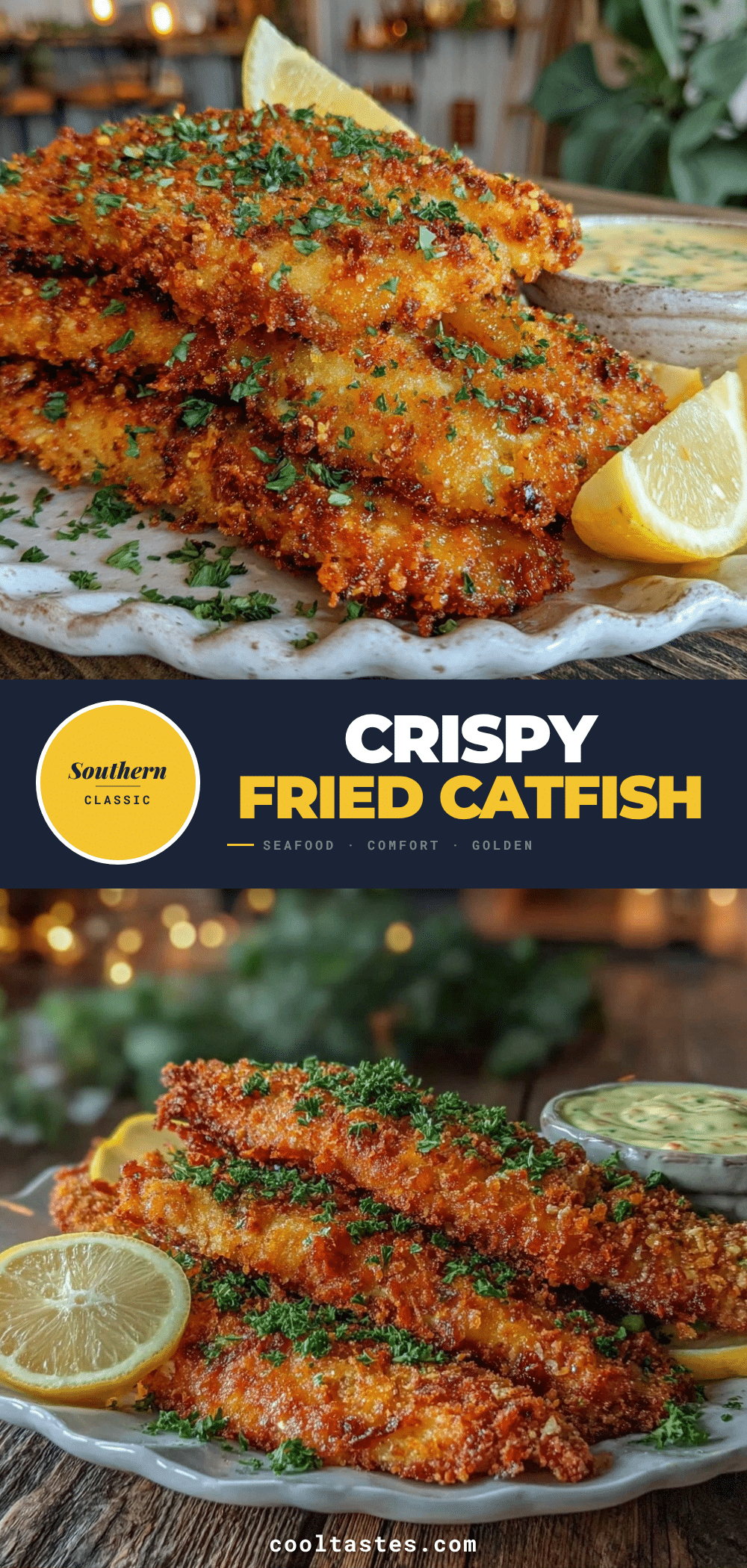
Crispy Southern Fried Catfish: 3 Easy Steps for Quick Dinner
A quick and easy Southern-style fried catfish recipe featuring a double-dredge technique with buttermilk and cornmeal for an incredibly crispy, golden crust.
- Prep Time: 15 minutes
- Cook Time: 15 minutes
- Total Time: 30 minutes
- Yield: 4 servings 1x
- Category: Main Course
- Cuisine: Southern
Ingredients
- 2 cups buttermilk
- 1 large egg, beaten
- 1 tablespoon hot sauce (e.g., Tabasco)
- 1 teaspoon garlic powder
- 1 cup all-purpose flour
- 1 cup medium grind cornmeal
- 1 teaspoon smoked paprika
- 1/2 teaspoon cayenne pepper
- 1 teaspoon onion powder
- 1 tablespoon sea salt
- 1 teaspoon black pepper
- Vegetable oil or peanut oil (for frying)
Instructions
- Pat catfish fillets completely dry with paper towels and season lightly with salt and pepper.
- In a shallow bowl, whisk together buttermilk, beaten egg, hot sauce, and garlic powder. Submerge fish fillets and soak for at least 15 minutes.
- In a large shallow dish, whisk together flour, cornmeal, smoked paprika, cayenne, onion powder, salt, and black pepper.
- Remove a fillet from buttermilk, letting excess drip off. Dredge in flour, dip back into buttermilk, then press firmly into the cornmeal mixture to create a thick, craggy coating.
- Heat oil in a heavy-bottomed skillet to 350°F (175°C).
- Fry fillets in batches for 3-4 minutes per side until deep golden brown and internal temperature reaches 145°F.
- Remove fish and place on a wire rack or paper towel-lined plate to drain and rest for one minute before serving.
Notes
Ensure fish is completely dry before marinating to help coating stick. Do not overcrowd the pan to maintain oil temperature. For a gluten-free version, substitute all-purpose flour with a 1:1 gluten-free blend and ensure cornmeal is certified gluten-free.
Nutrition
- Serving Size: 1 fillet
- Calories: 450
- Sugar: 2
- Sodium: 800
- Fat: 22
- Saturated Fat: 4
- Carbohydrates: 35
- Fiber: 2
- Protein: 25
Keywords: fried catfish, southern cooking, crispy fish, quick dinner, seafood recipe, buttermilk fried fish, cornmeal crust