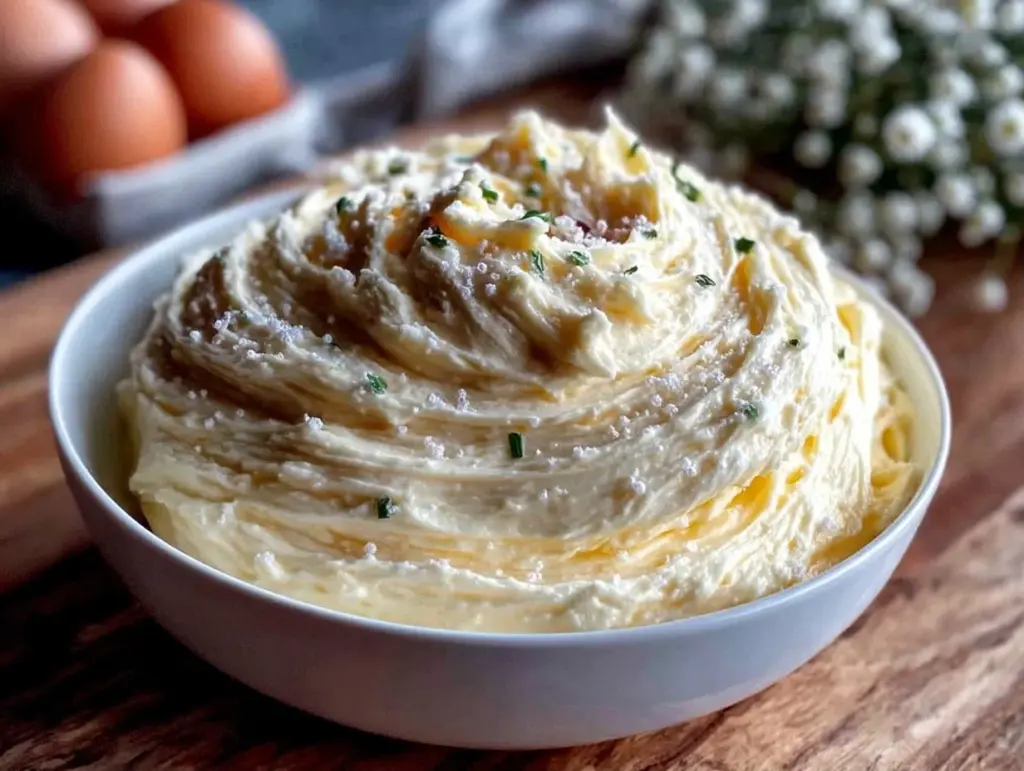
Let’s be honest for a second. There is something almost magical about the smell of a fried fish restaurant that hits you the moment you walk through the door. It’s a specific scent—part salty, part buttery, and entirely nostalgic. I remember sitting in a booth with sticky vinyl seats during a family vacation, staring at a plate of those golden, ridged fish sticks. They looked like little golden bars of comfort. The batter wasn’t just a coating; it was a fluffy, airy cloud that shattered when you bit into it, revealing the tender white fish underneath. Honestly, I’ve tried to recreate that exact feeling at home for years, and let’s face it, most homemade versions fall flat. They get soggy, or the batter tastes too much like heavy pancake mix.
But this copycat Long John Silver’s batter recipe? It’s the real deal. I spent months tweaking the ratios of flour, leavening agents, and that secret ingredient that makes it light. After testing it over a dozen times (and eating a lot of test batches, don’t judge me), I finally nailed it. This isn’t just about frying fish; it’s about capturing that specific, satisfying crunch that reminds you of weekend treats. Whether you are using cod, haddock, or even tilapia, this batter transforms ordinary fillets into something special. It’s lighter than air and holds up beautifully under a drizzle of tartar sauce or a squeeze of lemon.
I’ve made this for dinner parties where people thought I ordered takeout, and I’ve made it for lazy Sunday suppers with my kids. It’s versatile, forgiving, and incredibly delicious. You know how some recipes feel like a chore? This one feels like a shortcut to happiness. Plus, making it at home means you control the quality of the fish and the oil. You get that same addictive texture without the preservatives or the long drive. It’s a simple, five-step process that delivers big-time flavor, and once you try it, you might never go back to the drive-thru again.
Why You’ll Love This Recipe
There are a million ways to cook fish, but few deliver that specific “fast-food favorite” satisfaction without the guilt of a grease-heavy takeout bag. This batter is my go-to because it balances simplicity with professional results. I’ve tested this with various types of white fish, and the consistency of the batter adapts perfectly every time. It’s not just about the crunch; it’s about the texture contrast between the delicate fish and the airy coating. Here is why this recipe stands out from the crowd:
- Quick & Easy: You can have this batter mixed and your fish in the oil in under 20 minutes. It’s perfect for busy weeknights when you want something special but don’t have hours to prep.
- Simple Ingredients: You likely already have everything in your pantry. Flour, baking powder, salt, pepper, and milk are staples. No fancy, hard-to-find items needed.
- Perfect for Family Dinners: Kids love the familiar taste, and adults appreciate the homemade quality. It’s a crowd-pleaser that turns skeptics into believers.
- Unbelievably Delicious: The texture is next-level. It’s not dense or doughy; it’s light, crisp, and shatters beautifully. It’s comfort food reimagined.
- Consistent Results: The secret lies in the resting time of the batter. This allows the gluten to relax and the leavening to activate, ensuring that crispiness every single time.
What makes this different from other homemade fish batters is the ratio of liquid to dry ingredients. Many recipes use beer, which is great, but this version uses milk and a touch of oil in the batter itself. This creates a richer flavor profile that mimics the restaurant style without needing alcohol. It’s the kind of recipe that makes you close your eyes after the first bite. It’s soul-soothing and familiar, yet distinctly better because it’s made with care. Plus, it pairs wonderfully with a creamy garlic parmesan chicken dish if you’re cooking for a mixed group, or alongside a loaded potato soup for a cozy night in.
What Ingredients You Will Need
This recipe relies on high-quality, simple ingredients to deliver bold flavor and satisfying texture. The key is to use fresh fish and good-quality flour. I recommend using all-purpose flour for the best structure, but you can substitute with a gluten-free blend if needed. For the dairy, whole milk works best for richness, but buttermilk adds a nice tang that mimics the restaurant taste. As for the fish, I prefer cod or haddock for their mild flavor and flaky texture. Here is what you need to get started:
- All-Purpose Flour: 1 cup (120g). This forms the base of the batter. I recommend Gold Medal or King Arthur for consistent results.
- Baking Powder: 1 teaspoon. This is crucial for the rise and lightness. Make sure it’s fresh for maximum lift.
- Salt: 1 teaspoon. Enhances the flavor of both the batter and the fish.
- Black Pepper: ½ teaspoon. Adds a subtle heat that balances the mild fish.
- Garlic Powder: ½ teaspoon. Optional, but adds a savory depth that feels like a restaurant secret.
- Onion Powder: ½ teaspoon. Complements the garlic and adds complexity.
- Egg Yolk: 1 large egg yolk. This adds richness and helps the batter adhere to the fish.
- Milk: ¾ cup (180ml). Whole milk is best for texture. Room temperature works best.
- Vegetable Oil: 1 tablespoon. Mixed into the batter for extra crispiness.
- Fish Fillets: 1.5 lbs (680g). Cod, haddock, or tilapia work well. Pat them very dry.
- Frying Oil: Enough to fill your pot 2 inches deep. Peanut or canola oil is ideal for high heat.
If you want to get fancy, you can add a pinch of paprika for color or a dash of cayenne for heat. But honestly, the simplicity is what makes it shine. I’ve found that using a whisk rather than a spoon makes the batter smoother and lump-free. Also, make sure your fish is patted dry with paper towels before dipping. Any moisture will cause the batter to slide off or steam instead of fry. It’s a small step that makes a huge difference in the final crunch.
Equipment Needed
You don’t need a fancy kitchen to make this. A medium-sized mixing bowl is all you need for the batter. I prefer a glass bowl because I can see the consistency better than in an opaque one. For mixing, a wire whisk is essential to get those little air bubbles that make the batter light. A fork works in a pinch, but it won’t incorporate air as well.
For frying, a heavy-bottomed pot is best. A cast-iron Dutch oven is my favorite because it holds heat steadily. This prevents the oil temperature from dropping too much when you add the fish, which is the main reason for soggy batter. If you don’t have a Dutch oven, a deep skillet works too. You’ll need a candy or deep-fry thermometer to keep the oil at 350°F (175°C). Guessing the temperature is risky; too hot and the batter burns, too cool and it gets greasy.
You’ll also need a wire rack set over a baking sheet for draining. This is better than paper towels because it allows air to circulate, keeping the bottom crisp. Tongs are helpful for turning the fish gently. Avoid using a slotted spoon, as it can tear the delicate batter. Finally, a pair of clean kitchen towels is useful for wiping up any spills quickly. Safety first, especially when working with hot oil!
Preparation Method
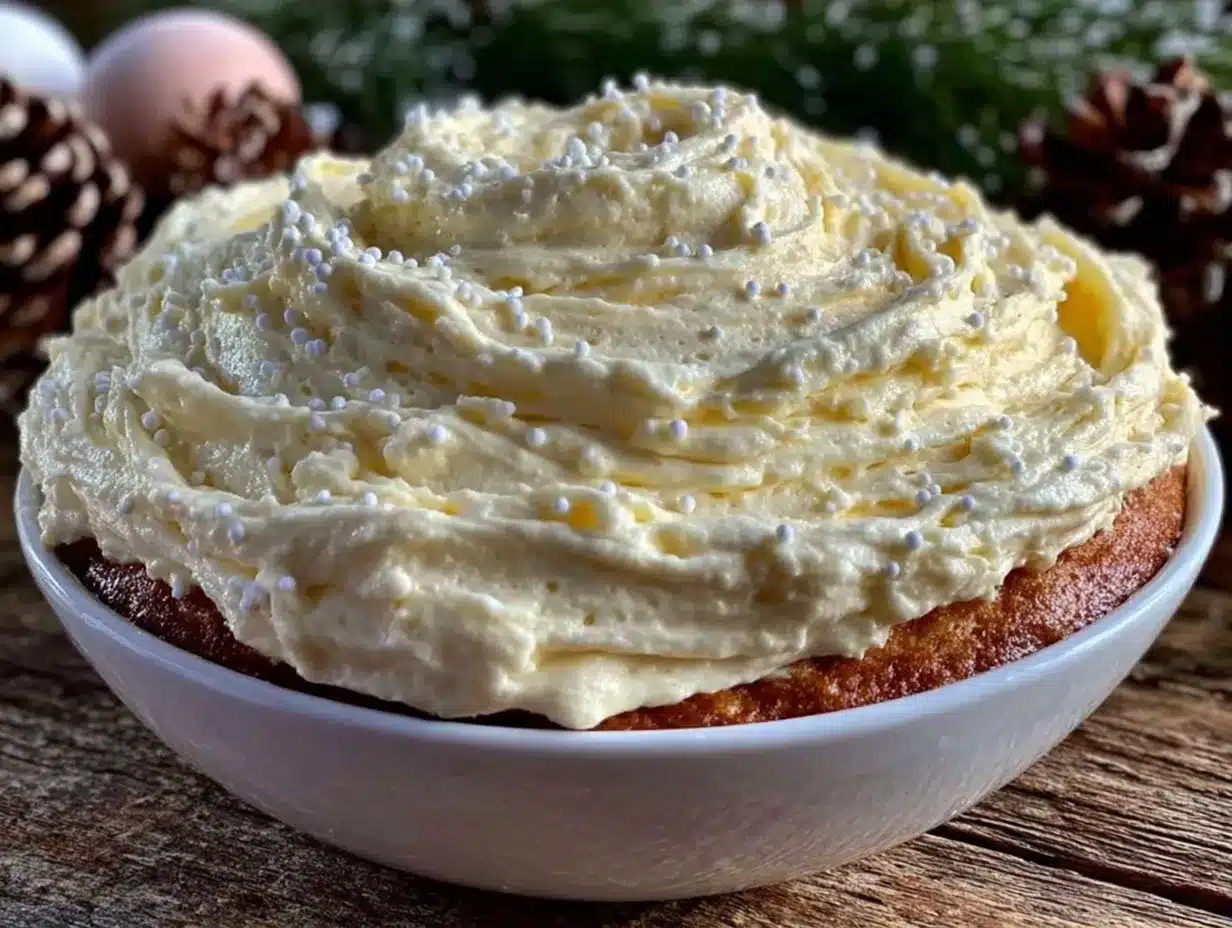
Getting this right is easier than you think, but precision matters. Follow these steps carefully for the best results.
- Prep the Fish (5 minutes): Start by patting your fish fillets completely dry with paper towels. This is non-negotiable. Moisture is the enemy of crispiness. Cut larger fillets into bite-sized strips or keep them whole if they are small. Season the fish lightly with salt and pepper. This adds flavor directly to the fish, not just the batter.
- Mix Dry Ingredients (2 minutes): In a medium bowl, whisk together the flour, baking powder, salt, pepper, garlic powder, and onion powder. Make sure there are no clumps of baking powder. This ensures even rising.
- Combine Wet Ingredients (1 minute): In a separate small bowl or measuring cup, whisk the egg yolk, milk, and 1 tablespoon of vegetable oil. Whisk until fully combined. The mixture might look slightly separated, which is fine.
- Create the Batter (1 minute): Pour the wet mixture into the dry ingredients. Stir gently with a whisk or fork until just combined. Do not overmix! Lumps are okay. If you mix too much, the gluten develops, and the batter becomes tough. It should look like a thick, pancake-like batter. Let it rest for 5 minutes. This rest period is key for the lightness.
- Heat the Oil (10-15 minutes): Pour about 2 inches of oil into your Dutch oven or pot. Heat over medium-high heat until it reaches 350°F (175°C). Use your thermometer to check. If you don’t have one, drop a tiny bit of batter in; if it sizzles and rises to the top immediately, it’s ready.
- Dip the Fish (2 minutes): Take a piece of fish and dip it into the batter, letting the excess drip off for a second. You want a moderate coat, not a thick glob. Place it carefully into the hot oil. Do not overcrowd the pot. Fry in batches if necessary.
- Fry the Fish (3-4 minutes): Fry for about 3-4 minutes, turning once halfway through. The batter should be golden brown and crisp. The fish is done when it flakes easily with a fork and reaches an internal temperature of 145°F (63°C).
- Drain and Serve (1 minute): Remove the fish with tongs and place it on the wire rack. Sprinkle with a tiny pinch of salt immediately while it’s hot. Serve with lemon wedges and tartar sauce.
Pro tip: If your oil temperature drops below 325°F, wait for it to come back up before adding the next batch. This ensures every piece is perfectly crisp.
Cooking Tips & Techniques
I’ve made plenty of mistakes in the kitchen, and frying fish is no exception. One of the biggest mistakes people make is overcrowding the pan. When you add too many pieces of fish at once, the oil temperature plummets. The batter then absorbs the oil instead of crisping up. It’s a common pitfall, but easy to avoid by frying in small batches. It takes a few extra minutes, but the result is worth it.
Another technique is to double-dip for an extra-thick crust. Dip the fish in the batter, let it drip, then dip it again. This creates a heavier, more substantial coating, similar to some of the thicker fish sticks you might remember. However, be careful not to make it too thick, or the inside won’t cook before the outside burns.
Timing is everything. Fish cooks quickly, so stay attentive. If the batter is browning too fast but the fish isn’t cooked, lower the heat slightly. Conversely, if it’s taking too long to brown, increase the heat a notch. The goal is a golden exterior and a moist, flaky interior. Also, keep your fried fish warm in a low oven (200°F) on the wire rack while you finish the rest of the batch. This keeps them crispy without overcooking.
Finally, taste your oil occasionally. If it starts smelling acrid or burning, it’s time to change it. Used oil can impart a bad flavor to your delicate fish. Using fresh oil every time guarantees the best taste.
Variations & Adaptations
One of the best things about this copycat Long John Silver’s batter is how adaptable it is. You can tweak it to suit your dietary needs or taste preferences. Here are a few ideas:
- Spicy Kick: Add 1 teaspoon of cayenne pepper or a dash of hot sauce to the batter for a spicy version. This pairs well with a creamy dipping sauce.
- Herbed Twist: Mix in 1 teaspoon of dried parsley or dill into the dry ingredients. This adds a fresh, herbal note that complements the fish beautifully.
- Gluten-Free Option: Substitute the all-purpose flour with a 1:1 gluten-free baking blend. Note that the texture might be slightly denser, but it still works well.
- Vegan Version: Skip the egg yolk and use a flax egg (1 tablespoon ground flaxseed mixed with 3 tablespoons water) instead. Use plant-based milk. The batter might be slightly less rich, but still delicious.
- Beer Batter Style: Substitute the milk with a light lager beer. This creates a lighter, airier batter with a subtle tang. Let the beer sit for a minute to let the carbonation work its magic.
I personally love adding a little paprika for color. It gives the batter that iconic golden-orange hue that we associate with restaurant fish. It’s a small change that makes a big visual impact, especially if you’re serving it for a party.
Serving & Storage Suggestions
When serving, presentation matters. Arrange the fried fish on a platter with lemon wedges and fresh parsley for garnish. It looks professional and appetizing. Serve with classic sides like French fries, coleslaw, or a creamy vegetable soup for a complete meal. A tartar sauce or a spicy remoulade is a must for dipping.
For storage, let any leftovers cool completely. Store them in an airtight container in the refrigerator for up to 2 days. Reheating fried food can be tricky, but the oven is your friend. Place the fish on a wire rack in a 350°F oven for 10-15 minutes. This restores the crispiness better than a microwave, which makes it soggy. You can also reheat them in an air fryer at 350°F for 3-4 minutes for a quick crisp.
Does it freeze well? Yes, you can freeze the fried fish for up to 1 month. Place them in a single layer on a baking sheet, freeze until solid, then transfer to a freezer bag. Reheat from frozen in the oven or air fryer. The texture might be slightly different, but it’s still tasty. The batter holds up surprisingly well to freezing.
Nutritional Information & Benefits
While fried food isn’t typically considered a health food, this recipe offers some nutritional benefits. White fish like cod and haddock are excellent sources of lean protein and omega-3 fatty acids. They are low in saturated fat and high in essential nutrients like vitamin B12 and selenium. By making this at home, you control the amount of oil and salt used, which is better than many fast-food options.
Each serving (approx. 3-4 pieces) contains about 250-300 calories, depending on the fish and oil absorption. The batter adds some carbohydrates, but the overall meal is balanced with protein. If you are watching your carb intake, you can reduce the flour slightly or use a lighter batter. It’s a treat, but a mindful one. Enjoy it as part of a balanced diet, paired with plenty of vegetables.
Conclusion
Making copycat Long John Silver’s batter at home is easier than you think and tastes significantly better. It brings back those nostalgic flavors while allowing you to enjoy a healthier, homemade version of a classic favorite. Whether you’re cooking for a family dinner or a casual get-together, this recipe is sure to impress. I hope you try it and enjoy the crispy, golden goodness. Don’t forget to share your results in the comments below! Did you add any special spices? Let me know. Happy cooking!
Frequently Asked Questions
Can I use frozen fish for this batter?
Yes, but you must thaw it completely and pat it very dry. Excess moisture from frozen fish can make the batter slippery and prevent it from sticking properly. Thawing in the fridge overnight is the best method.
Why is my batter too thick?
If the batter is too thick, it will clump on the fish. Add milk one tablespoon at a time until it reaches the consistency of heavy cream or thick pancake batter. It should coat the back of a spoon but still drip off easily.
Can I bake the fish instead of frying?
You can, but it won’t be as crispy. To bake, place the battered fish on a wire rack over a baking sheet. Spray lightly with oil and bake at 400°F for 12-15 minutes. It will be healthier but lacks that authentic crunch.
What type of oil is best for frying?
Peanut oil is excellent for its high smoke point and neutral flavor. Canola or vegetable oil also works well. Avoid olive oil as it has a lower smoke point and a strong flavor that might clash with the fish.
How do I keep the fish crispy after frying?
Always drain fried food on a wire rack, not on paper towels. Paper towels trap steam, which makes the bottom soggy. The wire rack allows air to circulate, keeping the entire piece crisp.
Pin This Recipe!
Copycat Long John Silvers Batter: 5-Step Easy Fish Dip
Recreate the nostalgic, golden, and airy crunch of Long John Silver’s fish sticks at home with this simple, 5-step batter recipe using common pantry ingredients.
- Prep Time: 15 minutes
- Cook Time: 15 minutes
- Total Time: 30 minutes
- Yield: 4 servings 1x
- Category: Main Course
- Cuisine: American
Ingredients
- 1 cup (120g) All-Purpose Flour
- 1 teaspoon Baking Powder
- 1 teaspoon Salt
- ½ teaspoon Black Pepper
- ½ teaspoon Garlic Powder
- ½ teaspoon Onion Powder
- 1 large Egg Yolk
- ¾ cup (180ml) Whole Milk
- 1 tablespoon Vegetable Oil
- 1.5 lbs (680g) Fish Fillets (Cod, Haddock, or Tilapia)
- Peanut or Canola Oil (for frying)
Instructions
- Pat fish fillets completely dry with paper towels and cut into strips if necessary. Season lightly with salt and pepper.
- In a medium bowl, whisk together flour, baking powder, salt, pepper, garlic powder, and onion powder until no clumps remain.
- In a separate small bowl, whisk the egg yolk, milk, and 1 tablespoon of vegetable oil until combined.
- Pour the wet mixture into the dry ingredients and stir gently until just combined. Do not overmix. Let the batter rest for 5 minutes.
- Heat about 2 inches of oil in a heavy-bottomed pot or Dutch oven to 350°F (175°C).
- Dip fish pieces into the batter, allowing excess to drip off, and carefully place into the hot oil. Fry in batches to avoid overcrowding.
- Fry for 3-4 minutes, turning once, until golden brown and crisp. Ensure internal temperature reaches 145°F (63°C).
- Remove fish with tongs and place on a wire rack to drain. Sprinkle with a pinch of salt and serve immediately.
Notes
Ensure fish is patted very dry before dipping to prevent batter from sliding off. Do not overcrowd the pot to maintain oil temperature. For extra crispiness, drain on a wire rack rather than paper towels. Can be baked at 400°F for 12-15 minutes for a healthier option, though less crispy.
Nutrition
- Serving Size: Approx. 3-4 pieces o
- Calories: 275
- Sugar: 1
- Sodium: 450
- Fat: 12
- Saturated Fat: 2
- Carbohydrates: 20
- Fiber: 1
- Protein: 22
Keywords: Long John Silver's copycat, fried fish batter, fish sticks recipe, easy fish dinner, homemade fish batter, crispy fried fish