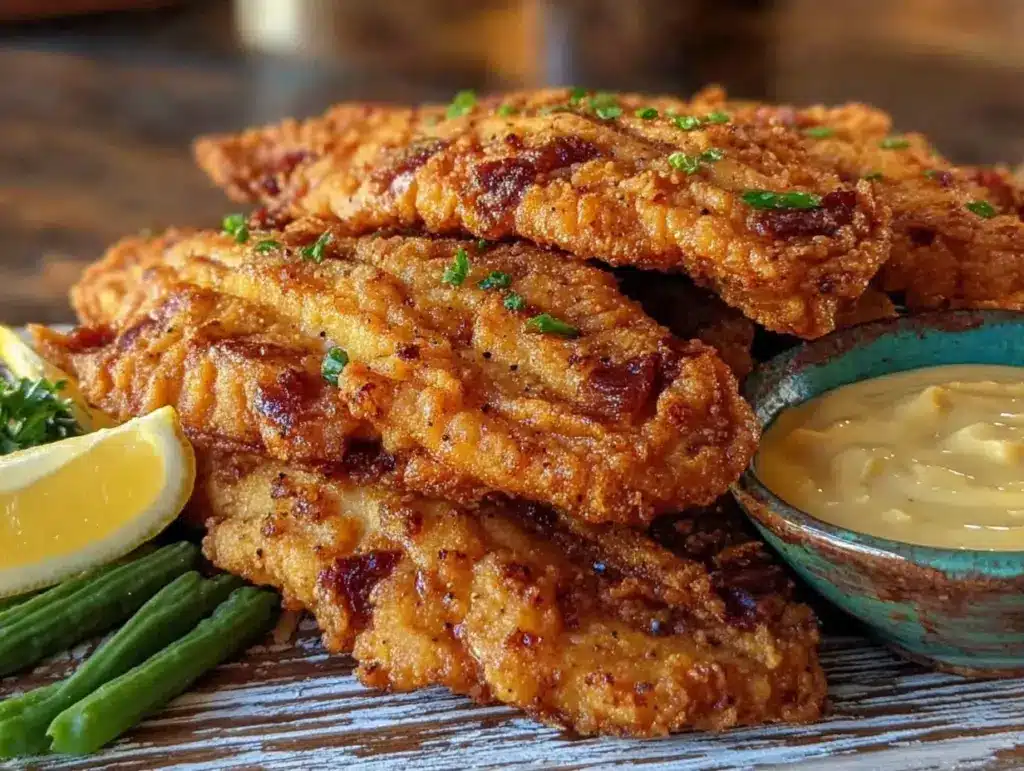
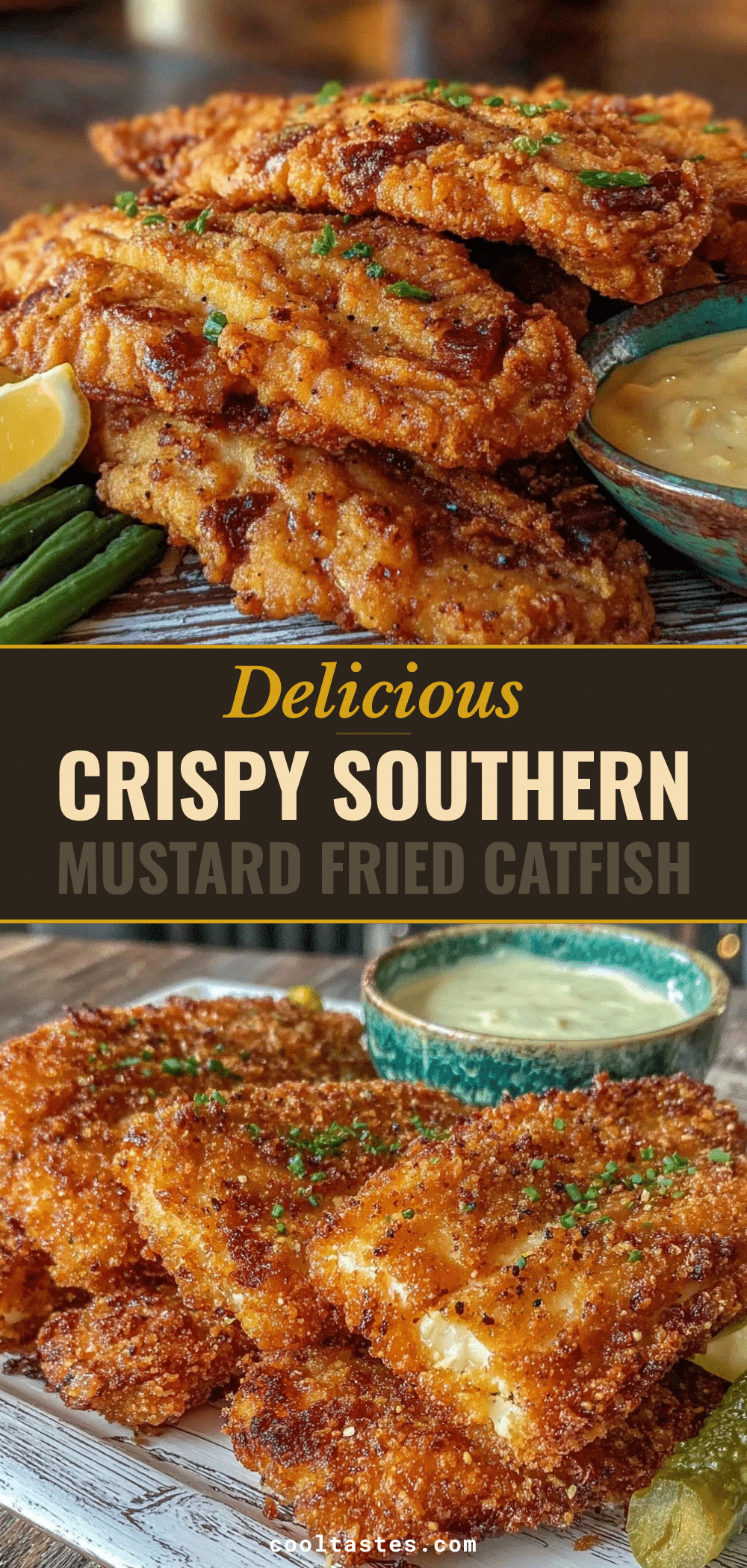
There is nothing quite like the sharp, tangy crunch of Southern Mustard Fried Catfish to make you forget your worries. I remember the first time I had it at my grandma’s kitchen table in Mississippi. The smell hit me before I even saw the plate—a mix of sizzling cornmeal and tangy yellow mustard. It wasn’t just dinner; it was a hug on a plate. Back then, I didn’t know why the mustard made it so special. I just knew I wanted seconds.
Now, after testing this recipe over a dozen times, I finally get it. The mustard doesn’t just add flavor. It tenderizes the fish and creates that incredible golden crust we all crave. Honestly, it’s the difference between good fried fish and unforgettable fried fish. You might think mustard and fish don’t mix, but let me tell you, it’s a classic Southern pairing for a reason.
This Southern Mustard Fried Catfish recipe is perfect for busy weeknights or lazy Sundays. It’s simple, cheap, and tastes like you spent hours in the kitchen. My kids love it, and even my picky husband asks for it regularly. If you’re looking for a quick meal that packs a punch, this is it. Plus, it pairs beautifully with creamy sides like loaded potato soup for a hearty meal. Let’s get cooking.
Why You’ll Love This Recipe
I’ve spent years perfecting this Southern Mustard Fried Catfish recipe, and I can tell you it’s worth every minute. Unlike other breading methods that can get soggy or bland, this one stays crispy for a long time. The mustard acts as a glue for the cornmeal, ensuring every bite has that perfect texture. It’s not just about taste; it’s about the experience of eating real, honest Southern food.
Here is why this recipe stands out from the crowd:
- Quick & Easy: You can have this on the table in under 20 minutes. It’s perfect for those nights when you don’t want to spend hours cooking.
- Simple Ingredients: You likely already have mustard, cornmeal, and catfish in your kitchen. No fancy grocery runs needed.
- Perfect for Family Dinners: It’s mild enough for kids but flavorful enough for adults. It’s a crowd-pleaser every single time.
- Unbelievably Delicious: The tang from the mustard cuts through the richness of the frying oil. It’s a balance that feels next-level.
- Cost-Effective: Catfish is affordable, and this method uses cheap pantry staples. You get restaurant-quality food at home for a fraction of the price.
What makes this recipe different is the secret ingredient: yellow mustard. Many people skip it, but it adds a depth of flavor that salt and pepper alone can’t achieve. It tenderizes the fish proteins, making the catfish flakier and more tender. I’ve tested this with Dijon and spicy brown, but nothing beats the classic yellow mustard for that authentic Southern taste. It’s the kind of recipe that makes you close your eyes after the first bite and smile.
What Ingredients You Will Need
This recipe relies on simple, wholesome ingredients to deliver bold flavor. The key is using fresh catfish and the right type of cornmeal for that gritty, crunchy texture. You don’t need anything fancy, just quality basics. Here is what you need to get started.
- Fresh Catfish Fillets: Use farm-raised catfish for the best mild flavor. Look for fillets that are about 1/2 inch thick. (About 2 lbs)
- Yellow Mustard: This is the star. Use standard yellow mustard, not spicy brown. It adds tang and helps the breading stick. (1/4 cup)
- Cornmeal: Medium-grind cornmeal gives the best crunch. Fine cornmeal gets too powdery. (1 cup)
- All-Purpose Flour: This helps bind the cornmeal to the fish. (1/2 cup)
- Eggs: Large eggs beaten with a little water create the wash. (2 large eggs)
- Buttermilk: Optional, but it adds tenderness. You can skip it if you’re short on time. (1/2 cup)
- Spices: Salt, black pepper, garlic powder, and paprika. (1 tsp each)
- Cayenne Pepper: For a little heat. (1/2 tsp, optional)
- Cooking Oil: Peanut oil or vegetable oil works best for frying. (1 inch in pan)
I recommend using a brand like Martha White for your cornmeal. It has the right texture that doesn’t burn easily. Also, make sure your catfish is fresh. If it smells like ammonia, it’s gone bad. Fresh fish should smell like clean water. If you can’t find fresh catfish, frozen fillets work too, but you must thaw them completely and pat them dry. Moisture is the enemy of crispy fish.
Equipment Needed
You don’t need much fancy gear for this recipe. A few basic tools will get you perfect results every time.
- Cast Iron Skillet: This is my go-to for frying. It holds heat well and creates an even crust. If you don’t have one, a heavy-bottomed stainless steel skillet works too.
- Wire Rack: Place a wire rack over a baking sheet to drain the fish. This keeps the bottom crispy. Paper towels can make the bottom soggy.
- Deep Fry Thermometer: Not strictly necessary, but it helps you keep the oil at 350°F. Without it, you’re guessing.
- Two Shallow Dishes: One for the dry mix and one for the wet wash. This keeps your breading station organized.
- Tongs: Use tongs to flip the fish gently. Forks can poke holes and let the breading fall off.
I’ve ruined fish before by using a thin pan that cooled down too fast. Trust me, invest in a good skillet. It makes a huge difference. Also, keep your oil clean. If it’s dark or smoky, change it. Clean oil means cleaner taste.
Preparation Method
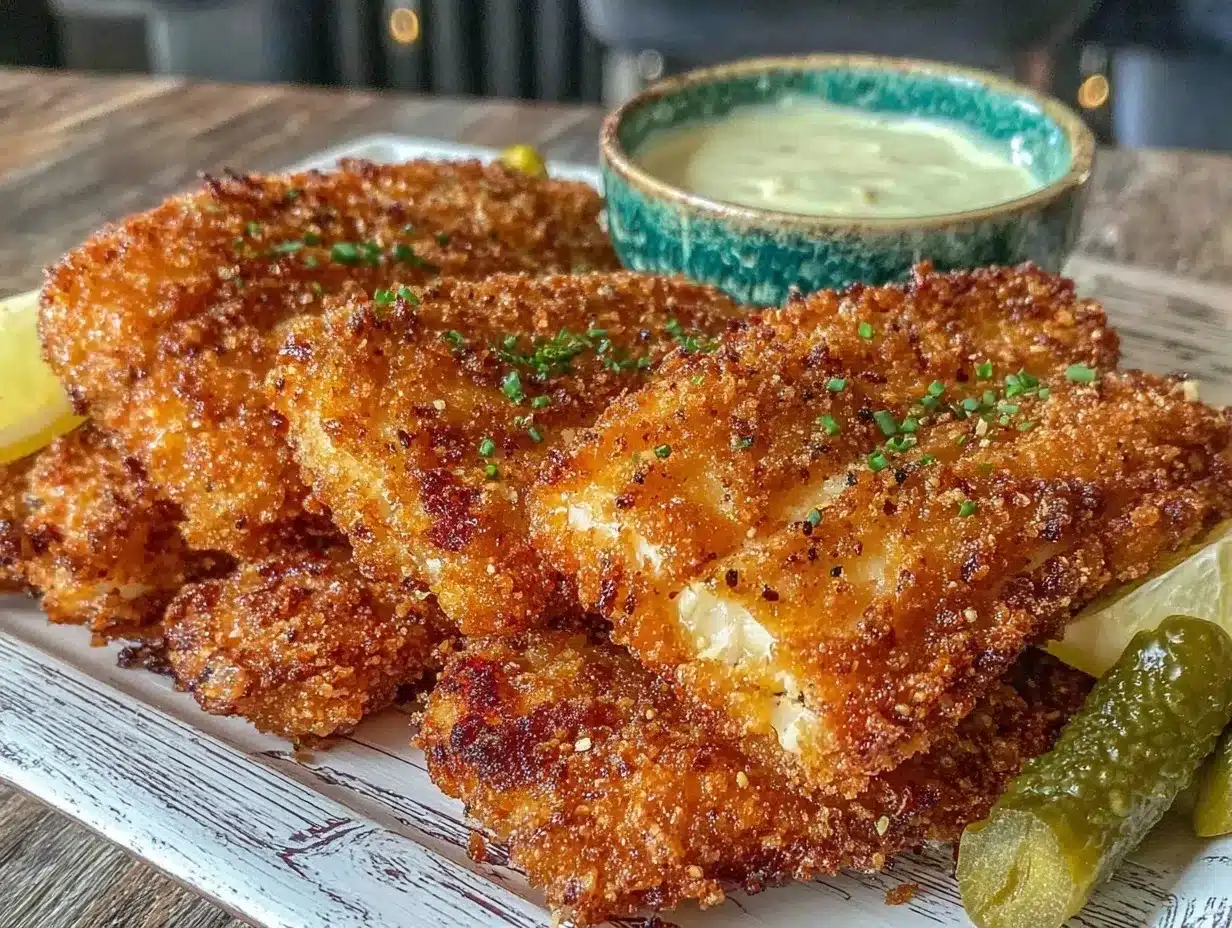
Getting the preparation right is half the battle. Follow these steps carefully for the best Southern Mustard Fried Catfish.
- Prepare the Fish: Rinse the catfish fillets under cold water. Pat them completely dry with paper towels. Moisture will cause the oil to splatter and the breading to slide off. (2 minutes)
- Make the Mustard Wash: In a shallow dish, mix the yellow mustard with the beaten eggs and buttermilk. Whisk until smooth. This is your glue. (1 minute)
- Mix the Dry Ingredients: In a large plate or shallow bowl, combine the cornmeal, flour, salt, pepper, garlic powder, paprika, and cayenne. Whisk to distribute the spices evenly. (1 minute)
- Dredge the Fish: Dip each fillet into the mustard wash, letting excess drip off. Then press it firmly into the cornmeal mixture. Make sure both sides are coated. Press down hard so the breading sticks. (2 minutes)
- Heat the Oil: Pour oil into your cast iron skillet to a depth of about 1 inch. Heat over medium-high heat until it reaches 350°F. If you don’t have a thermometer, drop a pinch of cornmeal in. If it sizzles immediately, it’s ready. (5-7 minutes)
- Fry the Fish: Carefully place the fillets in the hot oil. Do not overcrowd the pan. Fry for 3-4 minutes per side until golden brown and crispy. The internal temperature should reach 145°F. (6-8 minutes)
- Drain and Serve: Remove the fish with tongs and place it on the wire rack. Sprinkle with a little extra salt while hot. Serve immediately. (1 minute)
Personal tip: Don’t move the fish around in the pan too much. Let it sit for a minute to form a crust before flipping. If you move it too soon, the breading will stick to the pan. Also, keep the heat steady. If the oil smokes, it’s too hot. Lower the heat slightly.
Cooking Tips & Techniques
I’ve made plenty of mistakes frying fish, so you don’t have to. Here are some pro tips to avoid common pitfalls.
Oil Temperature is Key: If the oil is too cool, the fish will absorb grease and become soggy. If it’s too hot, the outside burns before the inside cooks. Aim for 350°F. Keep a close eye on the thermometer.
Don’t Overcrowd the Pan: Frying in batches is better than crowding. When you add too many fillets, the oil temperature drops. This leads to greasy, undercooked fish. Give each piece space to breathe.
The Mustard Secret: Some people worry the mustard flavor will be too strong. It won’t. The heat of the oil cooks out the raw mustard taste, leaving only a subtle tang. It enhances the fish flavor rather than masking it.
Resting the Fish: After frying, let the fish rest on the wire rack for 2-3 minutes. This allows the crust to set and the juices to redistribute. If you eat it immediately, it might be too hot and the crust might slip off.
Double Dredging: For an extra crunchy coating, dip the fish in the wash, then the dry mix, then the wash again, and finally the dry mix one more time. This creates a thick, chip-like crust. It’s my favorite method for parties.
Variations & Adaptations
This recipe is flexible. Here are some ways to make it your own.
- Spicy Kick: Add more cayenne pepper or swap yellow mustard for spicy brown mustard. You can also add a pinch of crushed red pepper flakes to the cornmeal mix.
- Gluten-Free: Swap the all-purpose flour for rice flour or almond flour. Use certified gluten-free cornmeal. The texture will be slightly different but still delicious.
- Baked Option: For a lighter version, bake the breaded fish at 400°F for 15 minutes. Flip halfway through. Spray with oil first for crispiness. It’s not as crunchy as fried, but it’s healthier.
- Herb Crust: Add dried thyme or oregano to the cornmeal mix. This adds an earthy note that pairs well with the mustard.
- Lemon Pepper: Squeeze fresh lemon juice over the fish after frying. This cuts the richness and adds brightness. It’s a classic Southern move.
I once tried using panko breadcrumbs with the mustard wash. It worked well, but the cornmeal gave a more authentic Southern texture. Stick to cornmeal for the real deal. But feel free to experiment with spices. The base recipe is forgiving.
Serving & Storage Suggestions
How you serve this Southern Mustard Fried Catfish matters. Here are my top recommendations.
Serving Ideas: Serve with creamy creamy chicken pot pie sides or simple coleslaw. A side of mac and cheese is also a great match. Garnish with lemon wedges and fresh parsley. The acidity of the lemon balances the fried crust perfectly.
Storage: Leftovers can be stored in an airtight container in the fridge for up to 2 days. The crust will soften, but the flavor remains good.
Reheating: Don’t use the microwave. It will make the fish rubbery. Instead, reheat in an oven or air fryer at 375°F for 5-7 minutes. This restores the crispiness. You can also pan-fry it briefly in a little oil.
Freezing: You can freeze unbreaded fillets for later. Bread them fresh when you’re ready to cook. Do not freeze already fried fish, as the texture suffers.
Flavors develop over time. If you make the mustard wash ahead of time, let it sit for an hour. The flavors meld together, creating a more complex taste. It’s a small step that makes a big difference.
Nutritional Information & Benefits
While fried food isn’t exactly a salad, catfish is actually a healthy choice. It’s low in mercury and high in protein. Here is an estimate per fillet:
- Calories: ~350 kcal
- Protein: 25g
- Fat: 18g
- Carbs: 15g
Catfish is rich in omega-3 fatty acids, which are good for your heart. It’s also a great source of selenium and vitamin B12. The mustard adds virtually no calories but boosts the flavor. If you bake instead of fry, you can cut the fat by half. It’s a versatile recipe that can fit into most diets. Just watch the portion size if you’re counting calories.
Conclusion
Southern Mustard Fried Catfish is more than just a recipe. It’s a taste of home, tradition, and simple pleasure. I hope you try this method and find your own memories in the kitchen. It’s easy, affordable, and absolutely delicious. Don’t be afraid to experiment with spices or sides. Make it your own.
I’d love to hear how it turns out for you. Did you add extra cayenne? Did you bake it instead? Leave a comment below and share your tips. Also, share this with a friend who loves fried food. Cooking is better when shared. Enjoy every bite of this Southern classic. It’s a recipe you’ll come back to again and again.
Frequently Asked Questions
Can I use frozen catfish for this recipe?
Yes, you can use frozen catfish. Just make sure to thaw it completely in the fridge overnight. Pat it dry thoroughly before breading. Any excess moisture will cause the oil to splatter and the breading to slip off.
What kind of oil is best for frying catfish?
Peanut oil is the gold standard for frying because it has a high smoke point and adds a nutty flavor. Vegetable oil or canola oil are good, budget-friendly alternatives. Avoid olive oil as it has a lower smoke point and can burn.
Why does my catfish breading fall off?
This usually happens if the fish isn’t dry enough or if you don’t press the breading on firmly. Make sure to pat the fish dry with paper towels. Also, dip it in the mustard wash, then the dry mix, pressing down hard to adhere the coating.
Can I make this recipe in an air fryer?
Yes, you can. Preheat your air fryer to 400°F. Lightly spray the breaded fish with oil. Cook for 10-12 minutes, flipping halfway through. It won’t be as crunchy as deep-fried, but it’s much healthier.
Is yellow mustard necessary?
While you can use other binders like egg wash alone, yellow mustard adds a unique tang that cuts through the richness of the fried crust. It also helps tenderize the fish. I highly recommend it for the best flavor profile.
Pin This Recipe!
Southern Mustard Fried Catfish
A classic Southern recipe for crispy, golden fried catfish coated in a tangy yellow mustard and cornmeal mixture. This quick and easy dish tenderizes the fish while creating an unforgettable crunchy crust.
- Prep Time: 10 minutes
- Cook Time: 10 minutes
- Total Time: 20 minutes
- Yield: 4 servings 1x
- Category: Main Course
- Cuisine: Southern
Ingredients
- 2 lbs fresh catfish fillets (about 1/2 inch thick)
- 1/4 cup yellow mustard
- 1 cup medium-grind cornmeal
- 1/2 cup all-purpose flour
- 2 large eggs, beaten with a little water
- 1/2 cup buttermilk (optional)
- 1 tsp salt
- 1 tsp black pepper
- 1 tsp garlic powder
- 1 tsp paprika
- 1/2 tsp cayenne pepper (optional)
- Peanut oil or vegetable oil (for frying, about 1 inch depth in pan)
Instructions
- Rinse catfish fillets under cold water and pat them completely dry with paper towels to ensure the breading sticks and oil doesn’t splatter.
- In a shallow dish, whisk together the yellow mustard, beaten eggs, and buttermilk to create the wet wash.
- In a large plate or shallow bowl, combine the cornmeal, flour, salt, pepper, garlic powder, paprika, and cayenne pepper. Whisk to distribute spices evenly.
- Dip each fillet into the mustard wash, letting excess drip off, then press firmly into the cornmeal mixture, ensuring both sides are coated. Press down hard to adhere the breading.
- Pour oil into a cast iron skillet to a depth of about 1 inch. Heat over medium-high heat until it reaches 350°F.
- Carefully place fillets in the hot oil, ensuring not to overcrowd the pan. Fry for 3-4 minutes per side until golden brown and crispy. The internal temperature should reach 145°F.
- Remove fish with tongs and place on a wire rack over a baking sheet to drain. Sprinkle with extra salt while hot and serve immediately.
Notes
Ensure the catfish is completely dry before breading to prevent splattering and ensure the crust sticks. Do not overcrowd the pan, as this lowers the oil temperature and results in greasy fish. For extra crunch, double dredge the fish (wash, dry mix, wash, dry mix). If using frozen catfish, thaw completely and pat dry. Yellow mustard is recommended for authentic flavor and tenderizing properties.
Nutrition
- Serving Size: 1 fillet
- Calories: 350
- Sugar: 1
- Sodium: 600
- Fat: 18
- Saturated Fat: 4
- Carbohydrates: 15
- Fiber: 1
- Protein: 25
Keywords: Southern Mustard Fried Catfish, fried catfish recipe, cornmeal crusted fish, easy seafood dinner, southern cooking, crispy catfish, mustard fried fish