There is a specific kind of magic that happens when sweet cornmeal dough hits hot oil. It puffs up instantly, turning a golden amber color that looks like it was dipped in honey. That smell? It’s pure nostalgia. It reminds me of Sunday afternoons in Kingston, where the air was thick with the scent of frying plantains and fresh bread. I first encountered Sweet Jamaican Festival Bread not in a fancy restaurant, but at a roadside stall near Negril. I was tired, hungry, and looking for something sweet to cut through the heat of the day. The vendor handed me a warm, slightly crispy bundle wrapped in paper. It was sweet, yeasty, and had a texture that was somehow both fluffy and dense. I took one bite and closed my eyes. It was comfort food in its most honest form.
Since that trip, I’ve tried to recreate that exact flavor profile in my own kitchen. You know how it is when you travel and eat something so good you dream about it for months? That’s exactly what happened here. I tested this recipe over a dozen times. Some batches were too dense, others too greasy. But this version? This one is the gold standard. It captures the essence of Jamaican street food without needing a deep fryer or a trip to the airport. It’s versatile, too. While many people eat it as a side dish to curry goat, I find it pairs beautifully with hearty soups. If you’re looking for cozy vibes, try serving it alongside loaded potato soup for a meal that feels like a warm hug.
Why should you care about this specific recipe? Well, most festival bread recipes online are too complicated. They call for obscure ingredients or require hours of rising time. This one is different. It uses simple pantry staples you likely already have. The result is a bread that is slightly sweet, incredibly aromatic, and perfect for dipping. Whether you are a fan of Caribbean cuisine or just love unique breads, this Sweet Jamaican Festival Bread will become a staple. It’s easy enough for a weeknight bake but special enough for a weekend brunch. Let’s face it, homemade bread just tastes better, and this one is no exception.
Why You’ll Love This Recipe
Let’s be honest, not all bread recipes are created equal. Some are finicky, requiring perfect humidity and patience I just don’t have on a Tuesday. This Sweet Jamaican Festival Bread recipe is the opposite. It’s forgiving, fast, and delivers results that taste like you spent hours in the kitchen. I’ve shared this with friends who claim they “can’t bake,” and they’ve all asked for the recipe. It’s that approachable. The beauty of this dish lies in its simplicity. You don’t need fancy flours or expensive yeast starters. You just need good cornmeal and a little bit of love. The texture is what really wins people over. It’s not a standard loaf. It’s a twisted, fried delight that’s crispy on the outside and soft on the inside.
Here is why this recipe stands out from the crowd:
- Quick & Easy: You can have this from mixing to frying in under 45 minutes. It’s perfect for last-minute cravings or when guests drop by unexpectedly.
- Simple Ingredients: No fancy grocery trips. You likely have cornmeal, flour, sugar, and baking powder already. It’s a true pantry staple recipe.
- Perfect for Dipping: The slightly sweet, dense texture makes it the ultimate vehicle for soups and stews. It soaks up flavor without falling apart.
- Crowd-Pleaser: Kids love the sweetness, and adults appreciate the subtle corn flavor. It’s a hit at potlucks and family dinners alike.
- Authentic Flavor: This isn’t a watered-down version. It uses the right ratio of cornmeal to wheat flour to get that authentic Jamaican taste.
What makes this recipe truly special is the balance. Many sweet breads are cloying or too heavy. This one is light, thanks to the baking powder and the careful handling of the dough. It’s the kind of bread that makes you smile. It’s not just food; it’s a memory. I remember eating this with my family during holiday gatherings. It was always the first thing to disappear from the table. Now, I make it for my own family, and the reaction is the same. It’s comfort food reimagined for the modern kitchen. It’s healthier than traditional fried dough because we control the sugar and oil. It’s a way to bring a piece of the Caribbean into your home without the stress.
What Ingredients You Will Need
This recipe relies on a handful of wholesome ingredients to create that signature sweet, yeasty flavor. The magic is in the ratio. Too much flour, and it’s just a bun. Too much cornmeal, and it’s crumbly. We aim for that sweet spot. Most of these items are basic pantry staples, which is why I love it for busy weeknights. You don’t need to run to the store for anything exotic. The cornmeal gives it that distinct nutty aroma, while the all-purpose flour provides the structure. The sugar adds a subtle caramel note that complements the frying process. Here is what you need to get started.
- All-Purpose Flour: 1 cup (125g). This forms the base of the dough. Use a good quality brand for consistent results.
- Yellow Cornmeal: 1 cup (150g). This is the star. Use fine or medium grind. Avoid coarse polenta; it won’t work here.
- Sugar: 3 tablespoons (35g). White sugar works best for a clean sweetness. Brown sugar can make it too dense.
- Baking Powder: 2 teaspoons. This gives it the rise. Make sure it’s fresh for maximum lift.
- Salt: 1/2 teaspoon. Essential to balance the sweetness. Don’t skip this.
- Milk: 3/4 cup (180ml). Whole milk is best for richness. Room temperature works best.
- Unsalted Butter: 2 tablespoons, melted. Adds flavor and tenderness to the crumb.
- Egg: 1 large egg, beaten. Helps bind the dough and adds structure.
- Vanilla Extract: 1 teaspoon. Enhances the sweet flavor profile.
- Vegetable Oil: For frying. You need enough to cover the bread halfway in the pan.
When choosing your cornmeal, I recommend looking for brands that specify “fine grind” or “meal.” The texture matters. If you can’t find fine cornmeal, you can pulse regular cornmeal in a blender for a few seconds. Also, ensure your baking powder is not expired. I’ve learned this the hard way—once, I used old baking powder, and the bread came out flat as a pancake. It was edible, but it lacked that signature puff. For the milk, if you’re dairy-free, you can substitute with oat or almond milk, though the flavor will be slightly different. The butter can be swapped with neutral oil if needed, but butter really does add that rich mouthfeel. Keep these tips in mind, and your ingredients will set you up for success.
Equipment Needed
You don’t need a fancy kitchen to make this. A few basic tools will do the trick. The most important item is a heavy-bottomed skillet or Dutch oven. Cast iron is ideal because it holds heat evenly. This prevents the oil from fluctuating in temperature, which is crucial for even frying. A medium saucepan works too, just be careful not to overcrowd the pan. You’ll also need a large mixing bowl. A glass or stainless steel bowl is best so you can see the dough consistency clearly. A whisk is handy for combining the dry ingredients, and a fork for beating the egg.
For frying, a candy thermometer is helpful but not strictly necessary. If you don’t have one, you can test the oil by dropping a small bit of dough in. If it sizzles and rises to the top immediately, it’s ready. If it sinks, it’s too cold. If it browns too fast, it’s too hot. You’ll want a slotted spoon or tongs to turn the bread. Long tongs are safer because the oil can splatter. Finally, have a wire rack lined with paper towels ready. This allows excess oil to drain away, keeping the bread from getting soggy. Avoid using plates lined with paper towels, as steam can make the bottom soft. A wire rack keeps everything crispy. These tools are likely already in your kitchen, so no need to buy anything special.
Preparation Method
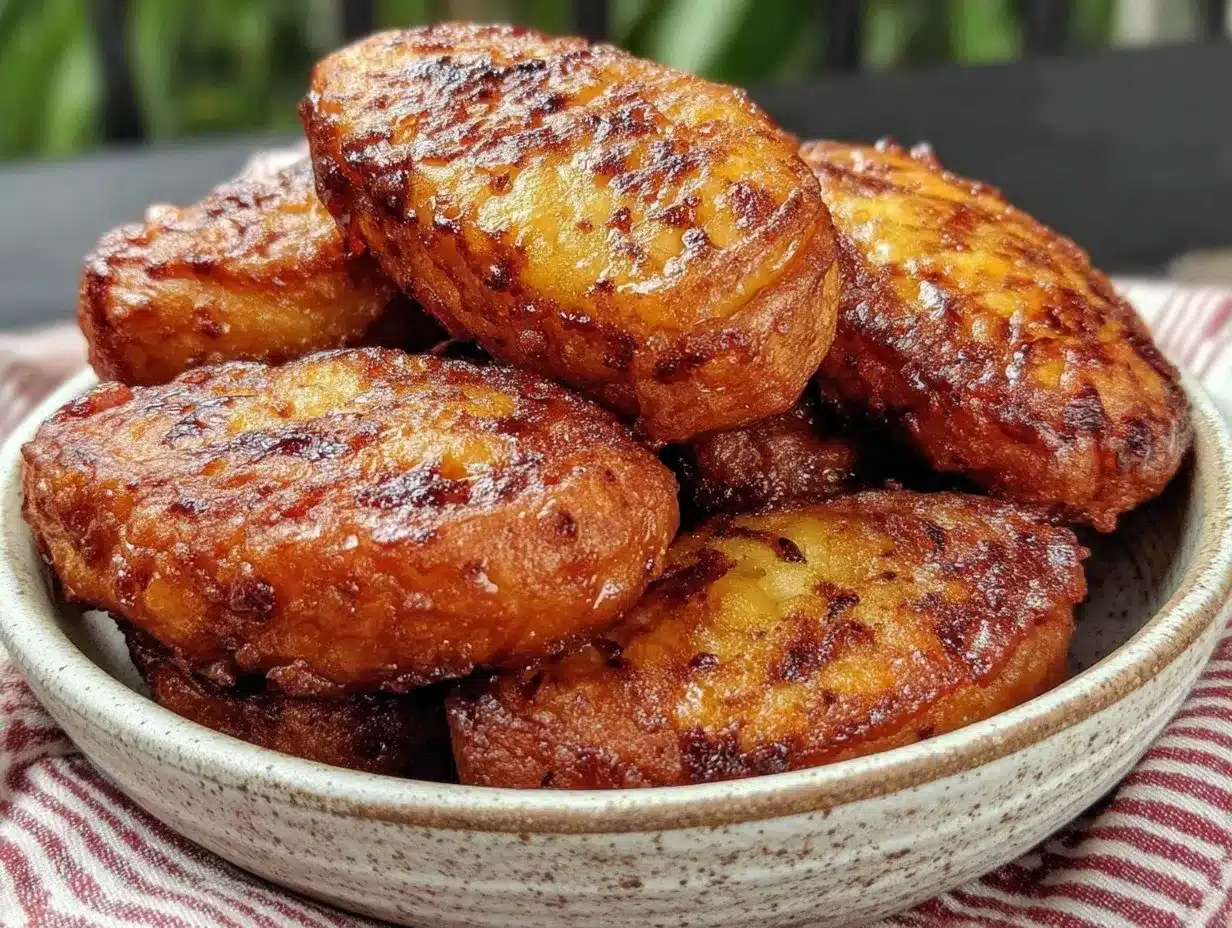
Getting this Sweet Jamaican Festival Bread right is all about technique. We want a dough that is soft but not sticky. Here is how to do it step by step.
- Mix Dry Ingredients: In a large bowl, whisk together the flour, cornmeal, sugar, baking powder, and salt. Make sure there are no lumps. This ensures even distribution of leavening agents.
- Combine Wet Ingredients: In a separate small bowl or measuring cup, mix the milk, melted butter, beaten egg, and vanilla extract. Whisk until smooth. The butter should be melted but not hot, or it might cook the egg.
- Make the Dough: Pour the wet ingredients into the dry ingredients. Stir with a wooden spoon or spatula until a shaggy dough forms. Do not overmix. It should look slightly rough. If it’s too dry, add a splash more milk. If it’s too sticky, add a tablespoon of flour.
- Knead Briefly: Turn the dough onto a lightly floured surface. Knead gently for about 1-2 minutes. You want it smooth but still tender. Over-kneading will make the bread tough. It should feel like soft clay.
- Rest the Dough: Cover the dough with a damp towel or plastic wrap. Let it rest for 10 minutes. This relaxes the gluten and makes it easier to shape.
- Shape the Bread: Divide the dough into 6-8 equal pieces. Roll each piece into a long rope, about 10-12 inches long. Then, twist the rope around your finger to create the classic spiral shape. Pinch the ends to seal. This twisting helps it cook evenly and looks authentic.
- Heat the Oil: Pour oil into your skillet to a depth of about 1 inch. Heat over medium heat until it reaches 350°F (175°C). If you don’t have a thermometer, wait until the oil shimmers slightly.
- Fry the Bread: Carefully place 2-3 pieces of bread into the oil. Do not crowd the pan. Fry for 3-4 minutes on each side, or until golden brown. Turn them gently with tongs. They should puff up slightly.
- Drain and Serve: Remove the bread with a slotted spoon and place it on the wire rack. Let it cool for a minute before eating. It’s best served warm.
Watch the oil temperature closely. If it’s too hot, the outside will burn before the inside cooks. If it’s too low, the bread will absorb too much oil. Trust your senses. The bread should smell nutty and sweet when it’s frying. That aroma is your cue that it’s working.
Cooking Tips & Techniques
I’ve made my fair share of mistakes with this recipe, so you don’t have to. The biggest mistake people make is overworking the dough. Remember, we want tender bread, not chewy bagels. Handle it gently. Also, the shape matters. If you just roll them into balls, they won’t cook evenly. The twist helps create surface area for browning and ensures the center cooks through. Another tip is to fry in batches. If you put too many in at once, the oil temperature drops, and the bread becomes greasy. Patience is key here. Let the oil come back to temperature between batches.
Timing is everything. You want a deep golden brown, not pale yellow. If they are too pale, they will taste raw inside. If they are too dark, they will be bitter. Keep an eye on them. Also, consider the size of your bread pieces. If they are too thick, they might not cook in the center. Aim for uniform thickness. One of my favorite tricks is to brush the fried bread with a little melted butter after cooking. It adds a nice sheen and extra flavor. But honestly, they are delicious as is. The key is consistency. Once you get the hang of the dough texture and oil temperature, you can make these in your sleep.
Variations & Adaptations
While the classic version is hard to beat, you can play with this recipe. For a spicy kick, add a pinch of cayenne pepper or scotch bonnet pepper to the dough. It sounds wild, but the sweetness balances the heat perfectly. For a gluten-free option, you can substitute the all-purpose flour with a 1:1 gluten-free flour blend. The texture might be slightly more crumbly, but it still works. If you want to make them sweeter, dip the fried bread in a simple syrup made from sugar and water after frying. You can also add raisins or chopped nuts to the dough for extra texture. I once tried adding coconut flakes, and it was delicious. It gave it a tropical twist. For a healthier version, you can bake them instead of frying. Brush with oil and bake at 375°F for 15-20 minutes. They won’t be as crispy, but they’re lighter. These variations allow you to customize the bread to your taste preferences.
Serving & Storage Suggestions
Sweet Jamaican Festival Bread is best served fresh and warm. It pairs wonderfully with savory dishes. Try it with easy creamy tomato soup for a comforting meal. It also goes great with curry goat, ackee and saltfish, or even just a simple peanut butter sandwich. For storage, let the bread cool completely, then place it in an airtight container. It will keep at room temperature for up to 2 days. For longer storage, freeze them. Wrap them tightly in plastic wrap and foil. To reheat, thaw them and warm them in a toaster oven or skillet. This restores the crispness. Avoid the microwave, as it makes them chewy. The flavors are best when fresh, but they do hold up well if stored properly.
Nutritional Information & Benefits
While this is a treat, it’s not devoid of nutrition. Cornmeal is a good source of fiber and antioxidants. It contains vitamins A, B, and E. The egg adds protein, and the milk provides calcium. Of course, it is fried, so there is some fat content. But compared to other fried doughs, this one is relatively balanced. It’s a good source of carbohydrates for energy. If you’re watching your sugar, you can reduce the sugar in the dough slightly. It’s still sweet enough from the cornmeal and the frying process. This bread is naturally gluten-free if you use GF flour, making it accessible for more people. It’s a comforting way to enjoy carbs without feeling too heavy, especially if you pair it with a light soup or salad.
Conclusion
Sweet Jamaican Festival Bread is more than just a snack. It’s a taste of culture, a memory of travel, and a joy to make. I hope this recipe brings that same warmth to your kitchen that it did to mine. It’s simple, delicious, and sure to impress your family and friends. Don’t be afraid to experiment with the variations. Make it your own. And when you’re done, I’d love to hear how it turned out. Leave a comment below with your thoughts or photos of your twists. Share this recipe with a friend who loves bread. Happy baking, and enjoy every bite!
Frequently Asked Questions
Can I make the dough ahead of time?
Yes, you can prepare the dough and let it rise in the refrigerator overnight. Let it come to room temperature before shaping and frying. This can actually improve the flavor.
Why is my festival bread dense?
This usually happens if the baking powder is old or if you overmixed the dough. Make sure your leavening agents are fresh and handle the dough gently.
Can I bake these instead of frying?
Absolutely. Brush them with oil and bake at 375°F for 15-20 minutes. They will be softer but still delicious.
What is the best oil for frying?
Vegetable oil, canola oil, or peanut oil work best. They have high smoke points and neutral flavors.
How do I store leftover bread?
Store in an airtight container at room temperature for 2 days. Freeze for longer storage. Reheat in a toaster oven.
Pin This Recipe!

Sweet Jamaican Festival Bread

A quick and easy homemade version of the classic Jamaican street food. This sweet, twisted cornmeal bread is crispy on the outside, soft on the inside, and perfect for dipping in soups or stews.
- Prep Time: 20 minutes
- Cook Time: 25 minutes
- Total Time: 45 minutes
- Yield: 6-8 servings 1x
- Category: Side Dish
- Cuisine: Jamaican
Ingredients
- 1 cup (125g) All-Purpose Flour
- 1 cup (150g) Yellow Cornmeal (fine or medium grind)
- 3 tablespoons (35g) White Sugar
- 2 teaspoons Baking Powder
- 1/2 teaspoon Salt
- 3/4 cup (180ml) Milk (whole milk, room temperature)
- 2 tablespoons Unsalted Butter (melted)
- 1 large Egg (beaten)
- 1 teaspoon Vanilla Extract
- Vegetable Oil (for frying)
Instructions
- In a large bowl, whisk together the flour, cornmeal, sugar, baking powder, and salt until no lumps remain.
- In a separate small bowl, mix the milk, melted butter, beaten egg, and vanilla extract until smooth.
- Pour the wet ingredients into the dry ingredients and stir with a wooden spoon or spatula until a shaggy dough forms. Do not overmix.
- Turn the dough onto a lightly floured surface and knead gently for 1-2 minutes until smooth but tender.
- Cover the dough with a damp towel or plastic wrap and let it rest for 10 minutes.
- Divide the dough into 6-8 equal pieces. Roll each piece into a long rope (10-12 inches) and twist it around your finger to create a spiral shape. Pinch the ends to seal.
- Pour oil into a heavy-bottomed skillet to a depth of about 1 inch and heat over medium heat until it reaches 350°F (175°C).
- Carefully place 2-3 pieces of bread into the oil, ensuring not to crowd the pan. Fry for 3-4 minutes on each side until golden brown and puffed.
- Remove the bread with a slotted spoon and place it on a wire rack lined with paper towels to drain excess oil.
- Serve warm.
Notes
Ensure baking powder is fresh for maximum lift. If the dough is too sticky, add a tablespoon of flour; if too dry, add a splash of milk. Fry in batches to maintain oil temperature. For a gluten-free version, substitute all-purpose flour with a 1:1 gluten-free blend. To bake instead of fry, brush with oil and bake at 375°F for 15-20 minutes.
Nutrition
- Serving Size: 1 twisted piece
- Calories: 280
- Sugar: 8
- Sodium: 250
- Fat: 12
- Saturated Fat: 4
- Carbohydrates: 38
- Fiber: 2
- Protein: 5
Keywords: Jamaican Festival Bread, sweet cornmeal bread, fried dough, Caribbean recipes, easy bread recipe, side dish for curry goat, comfort food