
The first time I baked what I now call the best lemon cake ever, I was chasing a craving that wouldn’t quit—a bright, tangy cake that didn’t feel too heavy but still gave me that cozy, homemade comfort. Honestly, the smell of fresh lemon zest mingling with vanilla and sugar filled my kitchen and instantly lifted my mood. I’ve tried a bunch of lemon cakes before, but this one? It’s different. It’s moist, tender, and packed with just the right zing without being overpowering.
I stumbled upon this recipe during a particularly rainy weekend, when I wanted something cheerful and simple. After a few tweaks—like swapping out plain yogurt for sour cream and adding a splash of lemon juice to the batter—it became my go-to for birthdays, weekend treats, and even casual afternoon tea. The best part? It’s easy enough for even those of us who aren’t expert bakers (that’s me!) but impressive enough to make friends think you’re a cake wizard.
Whether you’re baking for a special occasion or just because you’re craving that perfect balance of sweet and tart, this homemade lemon cake delivers. It’s got that melt-in-your-mouth texture and a bright, fresh flavor that reminds me a bit of the blueberry lemon pound cake I adore—only lighter and easier. Plus, it’s a fantastic way to bring a little sunshine indoors any time of year.
Why You’ll Love This Recipe
After baking this lemon cake more times than I can count, I can say with confidence it’s one of those rare recipes that just works every time. Here’s why it stands out:
- Quick & Easy: The batter comes together in under 20 minutes, making it perfect for last-minute dessert cravings or weekend baking sessions.
- Simple Ingredients: No fancy or hard-to-find items here—you probably have everything in your pantry right now.
- Perfect for Any Occasion: Whether it’s a casual family dinner or a small celebration, this lemon cake fits right in.
- Crowd-Pleaser: Kids and adults alike love the balanced sweetness and zingy lemon flavor. It’s a winner at potlucks too!
- Unbelievably Moist: Thanks to a secret ingredient—sour cream—it stays soft and tender for days.
What really makes this recipe different is the way the lemon flavor is layered. We’re talking freshly grated zest, a splash of juice in the batter, and a light lemon glaze that ties it all together. It’s not just lemon cake—it’s the best lemon cake ever, honestly. Plus, it pairs beautifully with a cup of tea or coffee, making it a perfect afternoon pick-me-up.
It’s kind of like the glazed orange creamsicle cake I tried last year—bright, fresh, and full of personality. But this lemon cake is simpler and more versatile, which has made it a staple in my baking rotation. You’ll find yourself reaching for it again and again.
What Ingredients You Will Need
This recipe uses straightforward, wholesome ingredients that come together to create a lemon cake that’s bursting with flavor and moistness. Most of these are pantry staples, and a few fresh additions give the cake its bright personality.
- All-purpose flour: 2 ½ cups (315 g), the base that gives the cake structure.
- Baking powder: 2 ½ teaspoons, for just the right lift.
- Baking soda: ½ teaspoon, to balance acidity and promote tenderness.
- Salt: ¼ teaspoon, enhances all the flavors.
- Unsalted butter: ¾ cup (170 g), softened, creates richness and tenderness.
- Granulated sugar: 1 ¾ cups (350 g), for sweetness and texture.
- Large eggs: 3, room temperature, bind everything together.
- Sour cream: 1 cup (240 ml), adds moisture and a subtle tang (I use Daisy brand for creaminess).
- Fresh lemon zest: From 3 large lemons, packed with fragrant oils.
- Fresh lemon juice: ½ cup (120 ml), for genuine lemon flavor—no bottled juice here!
- Pure vanilla extract: 1 teaspoon, rounds out the citrus with warmth.
- For the glaze: 1 cup (120 g) powdered sugar mixed with 2-3 tablespoons fresh lemon juice, for that glossy, tangy finish.
Optional: If you want to add a little extra texture, a handful of poppy seeds (about 1 tablespoon) can be mixed into the batter. I’ve tried it, and it adds a nice subtle crunch without changing the cake’s tender crumb.
If you need to swap for dietary reasons, almond flour can replace half the all-purpose flour for a nuttier flavor, but expect a denser cake. For dairy-free versions, coconut yogurt works in place of sour cream, though the flavor will shift slightly.
Equipment Needed
- 9×13-inch baking pan: This size is perfect for even baking and nice cake thickness.
- Mixing bowls: At least two — one for dry ingredients and one for wet.
- Electric mixer or stand mixer: To cream butter and sugar smoothly; a hand whisk works but takes more elbow grease.
- Microplane or fine grater: For zesting lemons precisely and delicately.
- Measuring cups and spoons: Accurate measurements make all the difference.
- Rubber spatula: For folding ingredients gently without losing airiness.
- Cooling rack: To let the cake cool evenly and avoid sogginess.
If you don’t have a stand mixer, a good old-fashioned hand mixer or even vigorous whisking will do—the key is patience. For zesting, a regular fine grater works, but a microplane really brings out the lemon oils better. I keep my baking tools organized in a small basket to make set-up and clean-up easier.
Preparation Method

- Preheat your oven to 350°F (175°C). Grease your 9×13-inch pan with butter or non-stick spray, then lightly flour it to prevent sticking. This takes about 5 minutes.
- Mix dry ingredients: In a medium bowl, whisk together 2 ½ cups (315 g) all-purpose flour, 2 ½ teaspoons baking powder, ½ teaspoon baking soda, and ¼ teaspoon salt. Set aside.
- Cream butter and sugar: In a large bowl, beat ¾ cup (170 g) softened unsalted butter with 1 ¾ cups (350 g) granulated sugar until fluffy and pale—this can take 3 to 5 minutes using an electric mixer on medium speed. You’ll know it’s ready when the mixture looks light and smooth.
- Add eggs one at a time: Beat in 3 large eggs, one by one, scraping down the bowl after each addition to keep the batter uniform.
- Incorporate sour cream, lemon zest, lemon juice, and vanilla: Add 1 cup (240 ml) sour cream, zest from 3 large lemons, ½ cup (120 ml) fresh lemon juice, and 1 teaspoon vanilla extract. Mix gently until combined.
- Combine wet and dry: Slowly add the dry ingredients to the wet mixture in three parts, mixing on low speed just until everything is incorporated. Avoid overmixing to keep the cake tender.
- Pour batter into the prepared pan: Smooth the top with a spatula. The batter should be thick but pourable.
- Bake for 40-45 minutes: The cake is done when a toothpick inserted in the center comes out clean or with a few moist crumbs attached. The top should be lightly golden and spring back when pressed.
- Cool the cake for 15 minutes in the pan: Then transfer to a wire rack to cool completely before glazing. This prevents the glaze from melting into the cake.
- Prepare the lemon glaze: Whisk 1 cup (120 g) powdered sugar with 2-3 tablespoons fresh lemon juice until smooth and pourable. Adjust thickness by adding more sugar or juice as needed.
- Glaze the cooled cake: Drizzle evenly over the cake and let it set for 20-30 minutes before slicing and serving.
If the batter feels too thick, add a tablespoon of milk to loosen it slightly. One time, I forgot the baking soda—resulted in a dense cake that still tasted good but lacked the usual lift, so don’t skip it! Also, don’t open the oven door too early or the cake might sink.
Cooking Tips & Techniques
Here are some nuggets I’ve gathered from baking this lemon cake multiple times:
- Room temperature ingredients matter: Eggs and butter mix better when not cold, helping the batter become smooth and airy.
- Fresh lemon zest is key: The oils in the zest give that unmistakable zing that bottled extracts can’t match.
- Don’t overmix: Once you combine wet and dry ingredients, mix just enough to blend. Overworking the batter makes it tough.
- Check your oven temperature: Ovens can vary. If your cake browns too fast, tent it with foil halfway through baking.
- Let the cake cool fully before glazing: Otherwise, the glaze runs off, and you lose that pretty finish.
One time, I tried making this cake with a lemon extract instead of fresh juice—it just didn’t have that fresh punch, so I always stick with the real thing now. Also, multitasking by prepping the glaze while the cake bakes saves time and keeps you organized.
Variations & Adaptations
Feeling creative? This lemon cake is a great base to mix things up:
- Berry burst: Fold in ½ cup fresh blueberries or raspberries for a fruity surprise—perfect in summer.
- Gluten-free: Replace all-purpose flour with a 1:1 gluten-free baking blend and add an extra teaspoon of baking powder for lift.
- Herb-infused: Add 1 tablespoon finely chopped fresh thyme or basil to the batter for a subtle herbal note that pairs beautifully with lemon.
- Vegan option: Swap butter with coconut oil, use flax eggs (3 tablespoons ground flaxseed + 9 tablespoons water), and substitute sour cream with coconut yogurt.
Personally, I’ve made this cake with a light cream cheese frosting instead of glaze for birthdays—rich and tangy, it’s a hit every time. If you want a twist on the glaze, try mixing in a teaspoon of finely grated ginger for a spicy kick.
Serving & Storage Suggestions
This lemon cake is best served at room temperature, which lets the flavors bloom and the texture stay moist. Slice it into generous squares and serve on a simple white plate to highlight its sunny color.
It pairs wonderfully with a cup of green tea or a mild coffee, balancing the tartness with warmth. For a brunch treat, consider serving alongside fresh fruit or a dollop of whipped cream.
Store leftovers tightly wrapped in plastic wrap or in an airtight container at room temperature for up to 2 days. For longer storage, refrigerate for up to 5 days or freeze wrapped well for up to 3 months. When reheating, warm slices gently in the microwave for 15-20 seconds or enjoy chilled—the flavor stays fresh either way.
Interestingly, the lemon flavor deepens slightly after a day or two, making it even better the next day, which is a nice bonus if you like to plan ahead.
Nutritional Information & Benefits
This cake is a treat but uses real ingredients that offer some nutritional perks. Each serving (assuming 12 slices) has approximately:
| Calories | 280 |
|---|---|
| Fat | 12g (mostly from butter) |
| Carbohydrates | 38g |
| Protein | 4g |
| Sugar | 25g |
The fresh lemon juice and zest add vitamin C and antioxidants, which is always a bonus. Using sour cream instead of heavy cream or extra butter keeps the cake moist but lighter. If you want a lower-sugar version, you can cut back the granulated sugar by ¼ cup without losing too much sweetness.
Just a heads-up: this recipe contains dairy and eggs, so it’s not suitable for those with allergies to those ingredients, but the adaptations mentioned earlier help with that.
Conclusion
To wrap it up, this recipe truly deserves the title “best lemon cake ever.” It’s simple, bright, and reliably moist every single time. You can make it your own with berries, herbs, or a frosting twist, but the base is delicious as is. I love that it brings a little sunshine to my kitchen even on the gloomiest days, and it’s become a favorite to share with family and friends.
If you try it out, I’d love to hear how you customized your lemon cake or what memories it brings back for you. Drop a comment below or share your photos—I’m always excited to see your takes on this recipe. Happy baking, and may your kitchen smell like fresh lemons and buttery goodness soon!
FAQs
Can I use bottled lemon juice instead of fresh?
Fresh lemon juice is best for flavor and brightness, but in a pinch, bottled lemon juice works. Just avoid varieties with added preservatives or sweeteners.
How do I make this cake dairy-free?
Replace butter with coconut oil, sour cream with coconut or almond yogurt, and use a dairy-free milk if needed. Flax eggs can substitute for regular eggs.
Can I make this cake gluten-free?
Yes! Use a 1:1 gluten-free baking flour blend and add a little extra baking powder to help it rise. The texture will be slightly different but still delicious.
What’s the secret to a moist lemon cake?
Using sour cream in the batter keeps the cake tender and moist. Also, don’t overbake—check with a toothpick a few minutes before the suggested time.
Can I turn this into cupcakes?
Absolutely. Fill cupcake liners about 2/3 full and bake at 350°F (175°C) for 18-22 minutes. Keep an eye on them as baking times vary.
Pin This Recipe!
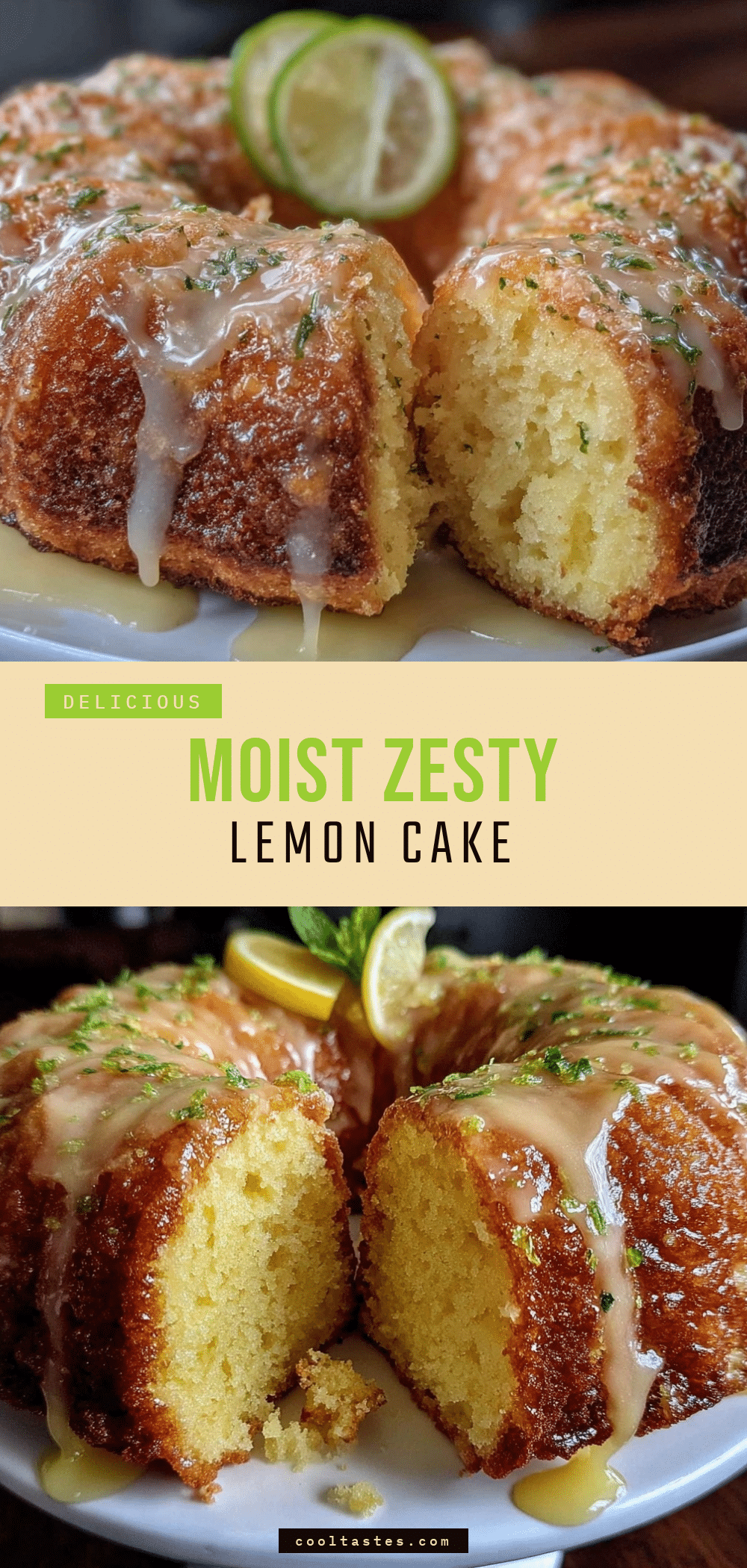
Best Lemon Cake Ever

A bright, tangy, and moist lemon cake that balances sweet and tart flavors perfectly. Easy to make with simple ingredients and ideal for any occasion.
- Prep Time: 15 minutes
- Cook Time: 40-45 minutes
- Total Time: 55-60 minutes
- Yield: 12 servings 1x
- Category: Dessert
- Cuisine: American
Ingredients
- 2 ½ cups (315 g) all-purpose flour
- 2 ½ teaspoons baking powder
- ½ teaspoon baking soda
- ¼ teaspoon salt
- ¾ cup (170 g) unsalted butter, softened
- 1 ¾ cups (350 g) granulated sugar
- 3 large eggs, room temperature
- 1 cup (240 ml) sour cream
- Zest of 3 large lemons
- ½ cup (120 ml) fresh lemon juice
- 1 teaspoon pure vanilla extract
- For the glaze: 1 cup (120 g) powdered sugar mixed with 2-3 tablespoons fresh lemon juice
- Optional: 1 tablespoon poppy seeds
Instructions
- Preheat your oven to 350°F (175°C). Grease a 9×13-inch pan with butter or non-stick spray, then lightly flour it to prevent sticking.
- In a medium bowl, whisk together the flour, baking powder, baking soda, and salt. Set aside.
- In a large bowl, beat the softened butter with granulated sugar until fluffy and pale, about 3 to 5 minutes using an electric mixer on medium speed.
- Add eggs one at a time, beating well after each addition and scraping down the bowl.
- Mix in sour cream, lemon zest, lemon juice, and vanilla extract until combined.
- Gradually add the dry ingredients to the wet mixture in three parts, mixing on low speed just until incorporated. Avoid overmixing.
- Pour the batter into the prepared pan and smooth the top with a spatula.
- Bake for 40-45 minutes, or until a toothpick inserted in the center comes out clean or with a few moist crumbs.
- Cool the cake in the pan for 15 minutes, then transfer to a wire rack to cool completely.
- Prepare the lemon glaze by whisking powdered sugar with fresh lemon juice until smooth and pourable.
- Drizzle the glaze evenly over the cooled cake and let it set for 20-30 minutes before slicing and serving.
Notes
Use room temperature ingredients for best results. Fresh lemon zest is key for bright flavor. Avoid overmixing the batter to keep the cake tender. Check oven temperature and tent with foil if browning too fast. Let cake cool fully before glazing to prevent glaze from running off. If batter is too thick, add a tablespoon of milk to loosen.
Nutrition
- Serving Size: 1 slice (1/12 of cak
- Calories: 280
- Sugar: 25
- Fat: 12
- Carbohydrates: 38
- Protein: 4
Keywords: lemon cake, moist lemon cake, easy lemon cake, homemade lemon cake, lemon glaze, lemon dessert