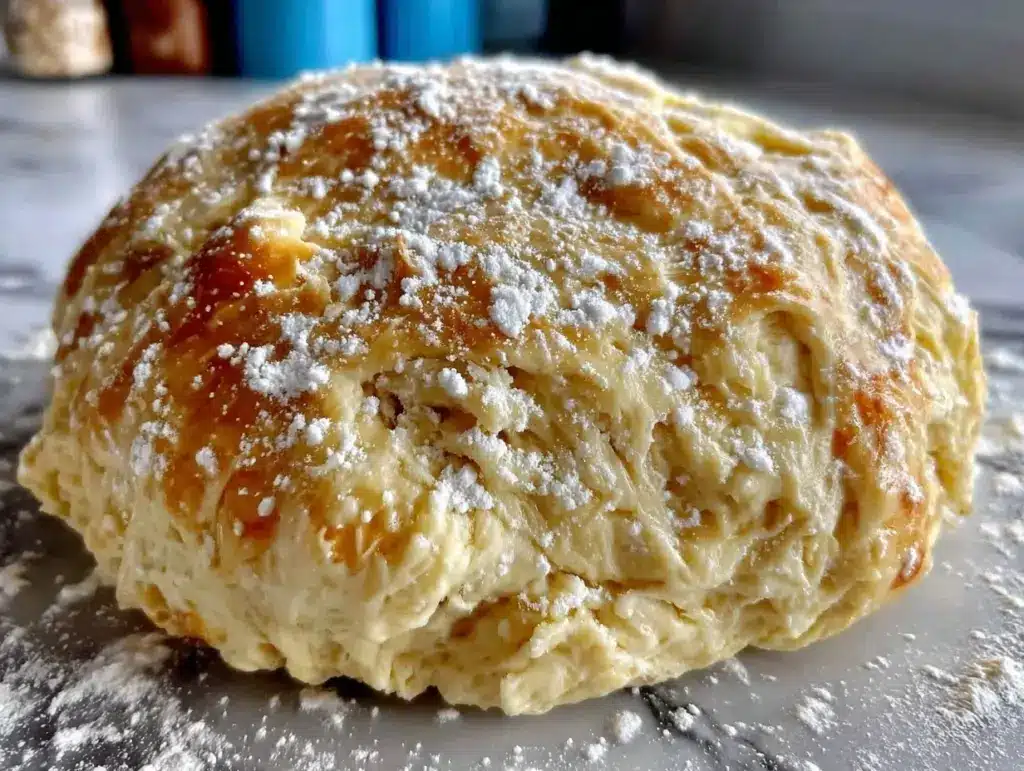
The smell of fresh pasta dough being rolled out in a warm kitchen has this magical way of pulling me right back to my Italian grandmother’s cozy home. I remember the first time I tried making perfectly soft homemade pasta dough — it was a total game changer. Honestly, I was a bit intimidated at first, thinking it would be some complicated ordeal involving fancy ingredients or special equipment. But it turns out, making soft, silky pasta dough from scratch is surprisingly straightforward and incredibly satisfying.
I’ve tested this recipe dozens of times, tweaking the flour ratios and resting times, to land on a version that’s both tender and easy to work with. This homemade pasta dough isn’t just for special occasions; it’s the kind of recipe you’ll want to keep in your back pocket for cozy weeknights or when you’re craving that authentic Italian touch at home. Whether you’re rolling out ribbons of fettuccine or shaping delicate ravioli, this dough delivers every time.
What I love most about this perfectly soft homemade pasta dough is how it brings a sense of tradition and joy into everyday cooking. It’s a comforting project that connects you to a rich culinary heritage, and the results? Absolutely worth every minute. If you’ve ever wondered how to make pasta that’s tender but holds up well in sauces, you’re in the right place. Let’s jump in and get your hands flour-dusted and doughy!
Why You’ll Love This Recipe
After countless attempts and friendly kitchen experiments, I can confidently say this is the perfect pasta dough recipe for anyone looking to make soft, fresh pasta at home. Here’s why it stands out:
- Quick & Easy: You can get this dough ready in about 15 minutes, plus an easy resting time. It’s perfect when you want fresh pasta without a huge time commitment.
- Simple Ingredients: Just a handful of pantry staples like all-purpose flour, eggs, and a pinch of salt. No fancy stores or rare flours needed!
- Perfect for Any Occasion: Whether it’s a date night, family dinner, or a casual weekend cooking session, this dough fits the bill.
- Crowd-Pleaser: Kids and adults alike love the soft, tender bite of pasta made fresh. You’ll be amazed how much better it tastes than store-bought.
- Unbelievably Delicious: The dough’s silky texture holds sauce beautifully—think rich tomato or creamy sauces like in my creamy tomato soup recipe—making every bite a delight.
This isn’t just any pasta dough recipe. The key difference? The perfect balance of hydration and flour type, combined with ample resting time, gives you dough that’s soft yet resilient. Plus, the method is forgiving for beginners but rewarding for seasoned cooks wanting that authentic texture.
Honestly, this dough recipe has become my go-to whenever I want homemade pasta that’s tender with a slight chew, exactly like the dishes I enjoyed in Italy. It’s the kind of comfort food that hugs your soul—without the fuss.
What Ingredients You Will Need
This recipe calls for simple ingredients that come together to create a soft, workable dough that’s ideal for shaping or rolling out. Most of these are pantry staples, and I’ll share tips if you want to tweak the recipe for dietary needs or availability.
- All-purpose flour (2 cups / 240 g) – The base of the dough, all-purpose flour offers a good balance of protein for elasticity and softness. You can use “00” flour if you want an even silkier texture.
- Large eggs (2) – Eggs provide richness and moisture. Let them come to room temperature for easier mixing.
- Olive oil (1 tablespoon) – Adds a touch of softness and helps the dough stay pliable.
- Salt (1/2 teaspoon) – Enhances flavor without overpowering.
- Water (2-3 tablespoons) – Used to adjust the dough consistency if it feels too dry. I often keep a little cold water on hand to add gradually.
If you’re looking for gluten-free options, you can swap the all-purpose flour with a gluten-free blend, but expect a slightly different texture. For a richer dough, try substituting one egg with an egg yolk.
For the best results, I recommend using high-quality ingredients like King Arthur flour for consistent texture and organic eggs when possible. These small details make a noticeable difference.
When I’m making stuffed pasta, like ravioli, I sometimes add a teaspoon of semolina flour to the dough for extra grip and structure. Feel free to experiment once you get comfortable with the base recipe!
Equipment Needed
Making perfectly soft homemade pasta dough doesn’t require fancy gadgets, but having the right tools makes the process smoother.
- Mixing bowl: A large bowl to combine your ingredients comfortably.
- Fork or whisk: For beating eggs and mixing initial ingredients.
- Clean surface or pastry board: For kneading the dough. A smooth countertop or wooden board works great.
- Rolling pin: Essential if you don’t have a pasta machine. It’s perfect for rolling dough thin enough for fettuccine or ravioli.
- Pasta machine (optional): If you have one, it speeds up rolling and helps achieve consistent thickness. I started with a rolling pin and upgraded after falling in love with homemade pasta!
- Plastic wrap or clean kitchen towel: To cover the dough during resting and prevent drying out.
If budget is a concern, a sturdy rolling pin and a clean countertop are all you really need. When I first started, I used a wine bottle as a rolling pin—totally works in a pinch!
Maintenance tip: If you use a pasta machine, keep it dry and free of flour buildup by wiping it down after each use. Avoid washing with water to prevent rust.
Preparation Method
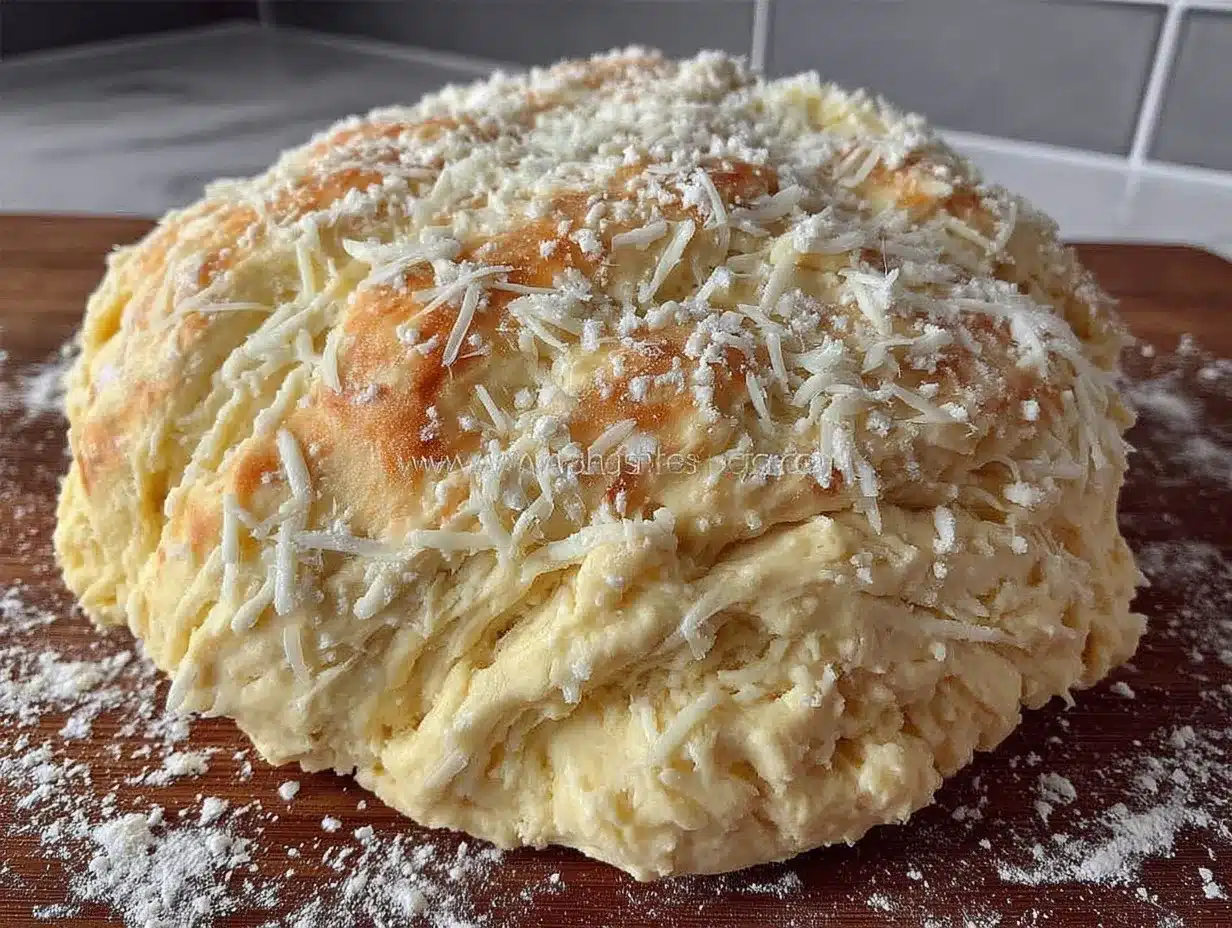
- Combine dry ingredients: Place 2 cups (240 g) of all-purpose flour and 1/2 teaspoon salt in your mixing bowl. Stir to distribute the salt evenly. This helps even seasoning throughout the dough. (Approx. 2 minutes)
- Create a well: Form a mound with the flour and make a deep well in the center. Crack 2 large room-temperature eggs into the well and add 1 tablespoon olive oil. This traditional method keeps the eggs contained and makes mixing easier. (Approx. 1 minute)
- Mix the dough: Using a fork, gently beat the eggs and oil inside the well, gradually incorporating flour from the edges. Keep mixing until the dough starts coming together into a shaggy mass. If the dough feels dry, add water 1 teaspoon at a time until it holds together but isn’t sticky. (Approx. 4-5 minutes)
- Knead the dough: Transfer to a lightly floured surface. Knead the dough by pushing it forward with the heel of your hand, folding it back, and repeating. You want a smooth, elastic dough that springs back when poked. This usually takes about 8-10 minutes. Don’t rush—this step develops gluten, which gives pasta its soft yet sturdy texture.
- Rest the dough: Shape the dough into a ball, wrap it tightly in plastic wrap or cover it with a clean towel. Let it rest at room temperature for at least 30 minutes. This relaxes the gluten, making rolling easier and the final pasta softer.
- Roll out the dough: Divide the dough into smaller portions to work with. Using a rolling pin or pasta machine, roll each portion out to your desired thickness (about 1/16 inch or 1.5 mm for most pastas). Dust with flour as needed to prevent sticking.
- Shape your pasta: Cut into ribbons for fettuccine, squares for ravioli, or sheets for lasagna. If making stuffed pasta, add your filling and seal carefully.
Pro tip: Keep your workspace and hands floured, but avoid over-flouring the dough as that can dry it out. If the dough feels tough or stiff, a short extra rest can help.
When rolling by hand, take your time and enjoy the process—it’s therapeutic! After all, homemade pasta is as much about the experience as the delicious result.
Cooking Tips & Techniques
Making soft homemade pasta dough is a craft, and these tips can help you get it just right:
- Don’t skip the resting: It might be tempting to roll out right away, but resting the dough is crucial for tenderness and ease of rolling.
- Knead with purpose: Kneading develops gluten, but over-kneading can make pasta tough. Aim for a dough that’s smooth and slightly springy, not stiff.
- Use room temperature eggs: Cold eggs can make mixing tricky and affect dough consistency.
- Adjust moisture carefully: Flour brands absorb water differently. Add water or flour little by little to get the right feel—soft but not sticky.
- Keep your surfaces floured but avoid excess: Excess flour can make dough dry and crumbly.
- Cook pasta in plenty of salted boiling water: Fresh pasta cooks quickly—usually 2-3 minutes. Test frequently to avoid overcooking.
I’ve learned the hard way that rushing any step can lead to less-than-perfect results. When I first tried making homemade pasta, I underestimated kneading time, and the dough was crumbly. Now, I pay close attention to texture and give the dough the time it deserves.
When multitasking, I like to prepare my sauce beforehand, like a simple garlic cream sauce or a hearty meat ragu similar to what I serve with my creamy chicken pot pie. That way, everything comes together effortlessly once the pasta is cooked.
Variations & Adaptations
This recipe is a fantastic base that welcomes all kinds of tweaks to suit your preferences or dietary needs:
- Whole wheat pasta: Swap half of the all-purpose flour with whole wheat flour for a nuttier flavor and added fiber. The dough will be slightly denser but still soft.
- Gluten-free option: Use a gluten-free flour blend that includes xanthan gum. Expect a more delicate dough that requires gentle handling.
- Herb-infused dough: Add finely chopped fresh herbs like basil or rosemary to the dough for a fragrant twist.
- Spinach pasta: Puree cooked spinach and substitute part of the water with the spinach puree for vibrant green pasta and a veggie boost.
- Eggless pasta: Replace eggs with water and a bit of olive oil for vegan pasta. This will change the texture slightly but still yields a soft dough.
One of my favorite personal variations is adding a tablespoon of finely grated Parmesan cheese into the dough. It adds subtle umami and richness, perfect for simple butter-and-herb sauces.
If you want to experiment with cooking methods, try baking filled pasta like ravioli in a casserole dish with sauce rather than boiling. It’s a fun twist that keeps the pasta soft and infused with flavor.
Serving & Storage Suggestions
Fresh pasta shines best when served immediately after cooking, while it’s tender and warm. I recommend serving it with simple sauces that complement its delicate texture—like a light garlic and olive oil sauce, or a classic tomato sauce reminiscent of the one in my loaded potato soup recipe, which shares that cozy, comforting vibe.
For presentation, sprinkle freshly grated Parmesan and a crack of black pepper on top. A few fresh basil leaves or a drizzle of good-quality olive oil never hurt either.
If you need to store the dough, wrap it tightly in plastic wrap and refrigerate for up to 2 days. Let it come back to room temperature before rolling out. You can also freeze portions wrapped well for up to a month—thaw overnight in the fridge before use.
Cooked fresh pasta is best eaten immediately but can be stored in an airtight container in the refrigerator for 1-2 days. Reheat gently in a skillet with a bit of sauce or quickly in boiling water to avoid drying out.
Interestingly, flavors tend to develop more deeply if you let the dough rest longer before cooking, so don’t rush the resting step!
Nutritional Information & Benefits
This perfectly soft homemade pasta dough is made from simple, wholesome ingredients with no preservatives or additives. A typical serving (about 1 cup cooked pasta) contains roughly:
| Calories | 220-250 kcal |
|---|---|
| Protein | 7-8 grams |
| Carbohydrates | 40-45 grams |
| Fat | 5-6 grams (mostly from olive oil and eggs) |
Eggs provide high-quality protein and essential vitamins, while olive oil adds heart-healthy fats. Using whole wheat flour adds fiber and nutrients if you choose that variation.
For those managing gluten sensitivity or looking for lower-carb options, the variations allow you to customize while still enjoying fresh pasta experiences. Just be mindful of allergens like eggs and wheat.
From a wellness perspective, cooking pasta from scratch means you control the ingredients, avoiding unnecessary additives found in many store-bought pastas. It’s a simple pleasure that fits well into a mindful eating routine.
Conclusion
Making perfectly soft homemade pasta dough might seem intimidating, but with this easy recipe and step-by-step method, you’ll soon be crafting tender, delicious pasta right in your kitchen. The combination of simple ingredients, a bit of patience, and some kneading love results in pasta that tastes like it came from a traditional Italian trattoria.
Feel free to tweak the dough to suit your taste or dietary needs—it’s a versatile base that rewards creativity. Personally, I love how working with fresh pasta dough connects me to a culinary tradition and adds a sense of accomplishment to any meal.
Give this recipe a try and let me know how your homemade pasta turns out! Share your experiences, questions, or any fun twists you’ve discovered along the way. Trust me, once you make your own pasta dough, you’ll never look back.
And if you want to pair your fresh pasta with a comforting sauce, you might enjoy my recipes for creamy vegetable soup or autumn tortellini soup with sausage, which bring that same homemade warmth to the table.
Frequently Asked Questions
How long can I store homemade pasta dough?
You can refrigerate wrapped dough for up to 2 days. For longer storage, freeze portions for up to a month. Always thaw in the fridge before use.
Can I make this pasta dough without eggs?
Yes! Replace eggs with water and add a bit more olive oil for an eggless version. The texture will differ slightly but still be soft and workable.
What’s the best flour for soft pasta dough?
All-purpose flour works great, but “00” flour yields an even softer, silkier dough. Whole wheat flour can be used but will be denser.
How thin should I roll the pasta dough?
For most pasta shapes, roll to about 1/16 inch (1.5 mm). For lasagna sheets, slightly thicker is fine. The dough should be thin but not see-through.
Can I freeze fresh pasta after shaping it?
Yes! Lay shaped pasta on a baking sheet dusted with flour, freeze until firm, then transfer to a sealed bag or container. Cook from frozen, adding a minute or two to the cooking time.
Pin This Recipe!
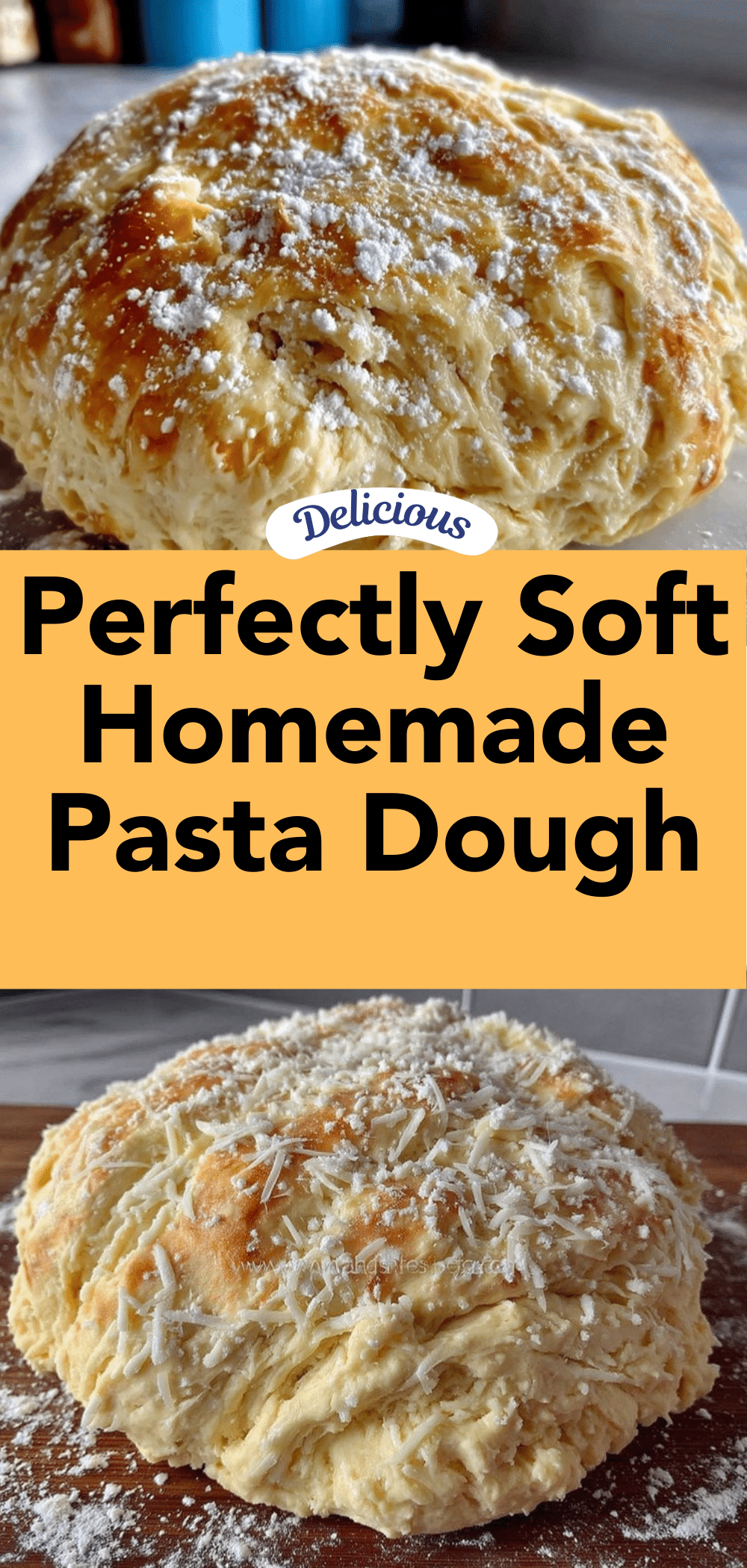
Perfectly Soft Homemade Pasta Dough
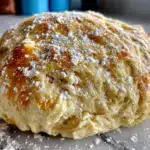
A simple and easy recipe for making soft, tender homemade pasta dough using basic pantry ingredients. Perfect for fresh pasta like fettuccine, ravioli, or lasagna.
- Prep Time: 15 minutes
- Cook Time: 2-3 minutes (fresh pasta cooking time)
- Total Time: 45 minutes (including resting time)
- Yield: 4 servings 1x
- Category: Main Course
- Cuisine: Italian
Ingredients
- 2 cups (240 g) all-purpose flour
- 2 large eggs, room temperature
- 1 tablespoon olive oil
- 1/2 teaspoon salt
- 2–3 tablespoons water (as needed)
Instructions
- Combine 2 cups (240 g) all-purpose flour and 1/2 teaspoon salt in a mixing bowl and stir to distribute evenly.
- Form a mound with the flour and create a deep well in the center. Crack 2 large room-temperature eggs into the well and add 1 tablespoon olive oil.
- Using a fork, gently beat the eggs and oil inside the well, gradually incorporating flour from the edges until a shaggy dough forms. Add water 1 teaspoon at a time if dough feels dry, until it holds together but is not sticky.
- Transfer dough to a lightly floured surface and knead for 8-10 minutes until smooth, elastic, and springs back when poked.
- Shape dough into a ball, wrap tightly in plastic wrap or cover with a clean towel, and let rest at room temperature for at least 30 minutes.
- Divide dough into smaller portions and roll out with a rolling pin or pasta machine to about 1/16 inch (1.5 mm) thickness, dusting with flour as needed.
- Cut into desired shapes such as ribbons for fettuccine, squares for ravioli, or sheets for lasagna.
Notes
Resting the dough for at least 30 minutes is crucial for tenderness and ease of rolling. Use room temperature eggs for better mixing. Adjust water gradually to avoid sticky dough. Fresh pasta cooks quickly in boiling salted water (2-3 minutes). Dough can be refrigerated up to 2 days or frozen up to 1 month.
Nutrition
- Serving Size: About 1 cup cooked p
- Calories: 220250
- Sugar: 1
- Sodium: 150
- Fat: 56
- Saturated Fat: 1
- Carbohydrates: 4045
- Fiber: 12
- Protein: 78
Keywords: homemade pasta dough, soft pasta dough, fresh pasta recipe, easy pasta dough, Italian pasta, pasta from scratch