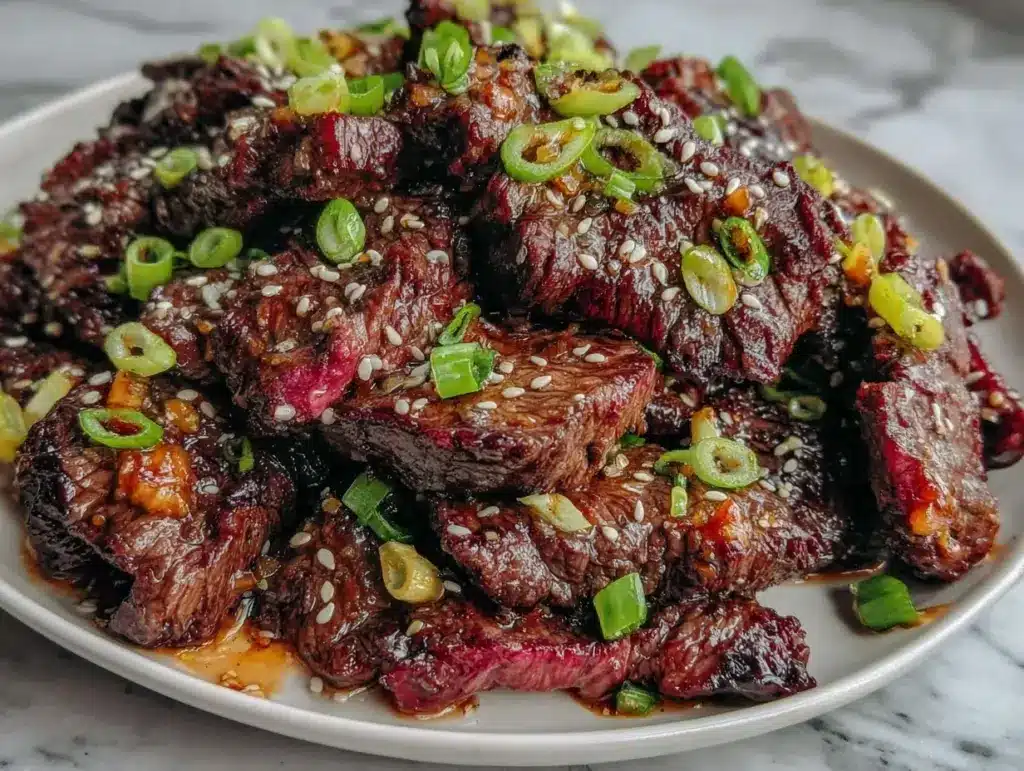
The sizzle of thinly sliced beef hitting a hot skillet, mingling with the sweet and savory aroma of soy, garlic, and a touch of sesame—honestly, that’s what first hooked me on Korean beef bulgogi. I remember the first time I made this savory sweet Korean beef bulgogi at home; it was a chilly evening, and I craved something comforting but not heavy. What started as a simple craving turned into a kitchen adventure, testing out marinades and flavors until I landed on this version that feels authentic yet easy enough for a weeknight.
Growing up, Korean food was a rare treat, mostly reserved for special occasions or takeout nights. But after trying my hand at this savory sweet Korean beef bulgogi recipe multiple times, it became a staple in my dinner rotation. It’s that perfect blend of tender beef, sweet notes from brown sugar and pear, and umami-rich soy sauce that keeps me coming back.
What’s great about this recipe is that it’s approachable yet packed with flavor, making it ideal for anyone wanting to bring a bit of Korean flair into their kitchen without fuss. Whether you’re cooking for family, impressing guests, or just treating yourself after a long day, this bulgogi is a winner. Plus, it pairs beautifully with simple sides, like a bowl of steamed rice or even something cozy like the loaded potato soup recipe I love on chilly nights.
Why You’ll Love This Recipe
After countless attempts perfecting this savory sweet Korean beef bulgogi, here’s why it’s become a favorite for me and many others:
- Quick & Easy: The marinade comes together in minutes, and the beef cooks fast—your dinner’s on the table in under 30 minutes.
- Simple Ingredients: You don’t need anything exotic; most are pantry staples or easy to find at your local store.
- Perfect for Weeknight Dinners: Whether you’re juggling work and family or craving something tasty after a busy day, this recipe fits the bill.
- Crowd-Pleaser: I’ve served this to friends who weren’t even familiar with Korean food, and they couldn’t stop raving about it.
- Unbelievably Delicious: The balance of savory, sweet, and a hint of toasted sesame makes every bite crave-worthy.
What sets this bulgogi apart? It’s the fresh pear in the marinade—it’s a little trick I learned from Korean cooks that tenderizes the meat naturally and adds subtle sweetness without overpowering. I also blend the garlic and ginger just right to keep that authentic flavor without it being too pungent. This isn’t just any beef bulgogi; it’s my take on an easy, home-cooked classic that feels special without the fuss.
Honestly, this recipe always brings a warm, cozy vibe to the dinner table, like comfort food with a little unexpected charm. It’s fantastic for impressing guests or just making an ordinary night feel memorable.
What Ingredients You Will Need
This savory sweet Korean beef bulgogi recipe uses straightforward ingredients that work together to create those iconic flavors and tender texture. Most are staples or commonly found in Asian markets.
- Beef ribeye or sirloin, thinly sliced (about 1 pound or 450g) – these cuts have just the right marbling for tenderness and flavor
- Pear, Asian pear preferred, grated (about ½ cup or 120ml) – tenderizes the meat and adds subtle sweetness
- Soy sauce, low sodium (⅓ cup or 80ml) – the savory umami base of the marinade
- Brown sugar (2 tablespoons) – balances the salty soy with a deep sweetness
- Garlic, minced (3 cloves) – essential for that punch of flavor
- Ginger, grated (1 tablespoon) – adds warmth and slight spice
- Sesame oil (1 tablespoon) – for that unmistakable nutty aroma
- Green onions, thinly sliced (2 stalks) – fresh crunch and color
- Black pepper, freshly ground (½ teaspoon) – just a touch of heat
- Toasted sesame seeds (optional, 1 tablespoon) – for garnish and extra nuttiness
- Vegetable oil or neutral oil (1 tablespoon) – for cooking the beef
If you can’t find Asian pear, a ripe regular pear or even apple can work in a pinch. For soy sauce, I usually reach for Kikkoman as it’s consistent and not too salty. And if sesame oil isn’t your thing, you can leave it out, but honestly, it’s worth using for that authentic touch.
For a gluten-free version, swap the soy sauce with tamari. If you want to boost the heat, add a little gochujang or red pepper flakes to the marinade. This recipe is pretty forgiving and easy to tweak based on what you have on hand.
Equipment Needed
- Sharp knife and cutting board: for slicing the beef thinly; if you find slicing difficult, freezing the beef slightly first makes it easier.
- Mixing bowl: to combine the marinade ingredients and toss the beef.
- Grater or food processor: to grate the pear and ginger finely.
- Large skillet or cast-iron pan: essential for getting a good sear on the beef; I personally prefer cast iron for even heat distribution.
- Tongs or spatula: for stirring and flipping the beef during cooking.
- Measuring spoons and cups: for accuracy—especially important when balancing sweet and salty flavors.
If you don’t have a cast-iron skillet, a heavy-bottomed stainless steel pan will do. Just make sure it’s hot before adding the beef to get that signature caramelized edge. For slicing, a mandoline can help if you’re not comfortable with a knife, but be careful!
Preparation Method
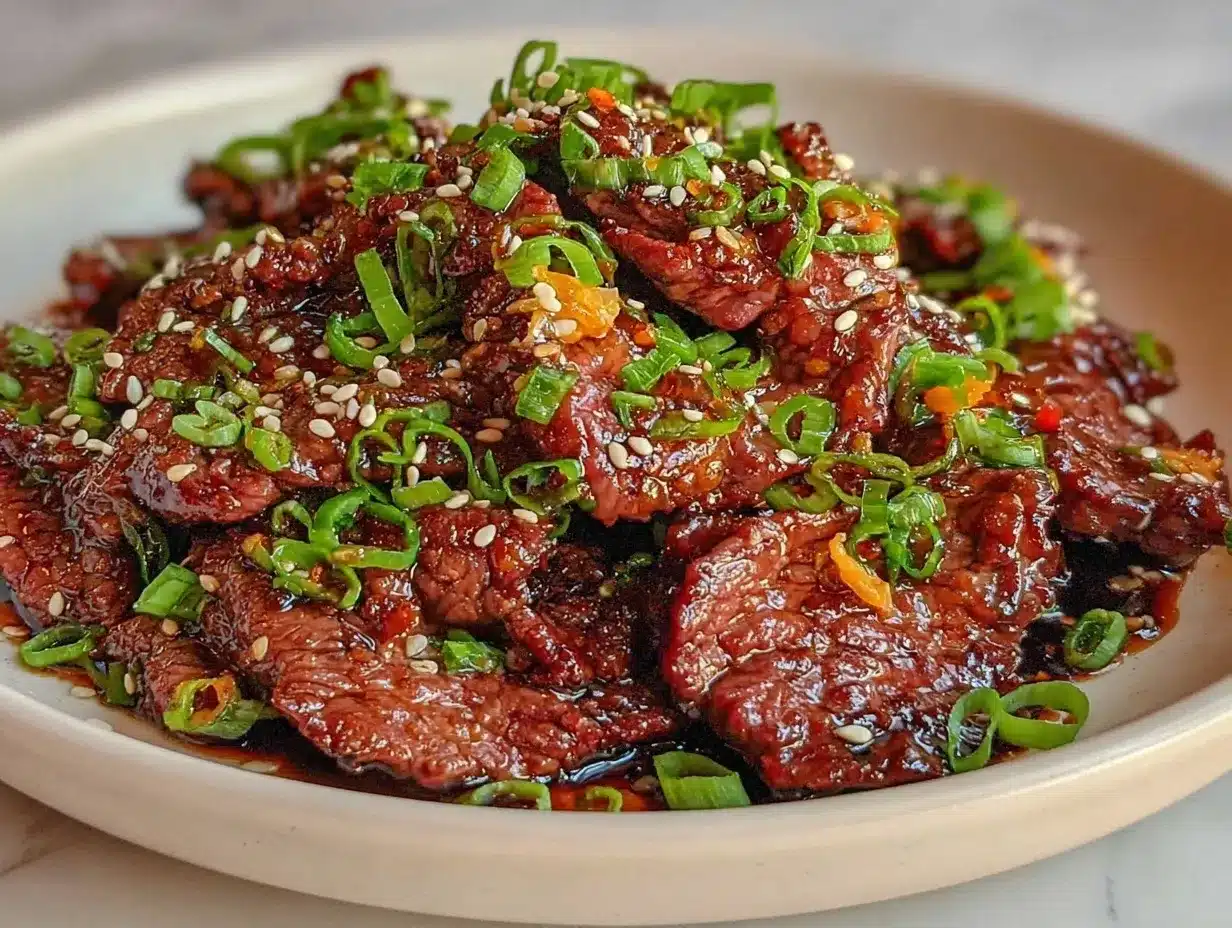
- Prepare the beef: Slice about 1 pound (450g) of ribeye or sirloin against the grain into thin strips, roughly ⅛ inch (3 mm) thick. If the beef is too soft to slice, pop it in the freezer for 20-30 minutes first—this makes it firm and easier to handle.
- Grate the pear and ginger: Using a fine grater or food processor, grate ½ cup (120ml) of Asian pear and 1 tablespoon of fresh ginger. The pear juice helps tenderize the beef and adds sweetness, while the ginger brings warmth.
- Mix the marinade: In a large bowl, combine ⅓ cup (80ml) low sodium soy sauce, 2 tablespoons brown sugar, 3 minced garlic cloves, grated pear, grated ginger, 1 tablespoon sesame oil, ½ teaspoon freshly ground black pepper, and sliced green onions from 2 stalks. Stir well until the sugar dissolves.
- Marinate the beef: Add the sliced beef to the marinade, tossing to coat all pieces evenly. Cover and refrigerate for at least 30 minutes, ideally 1-2 hours. If pressed for time, 30 minutes is fine, but longer really helps flavor infusion.
- Preheat your skillet: Heat 1 tablespoon of vegetable oil over medium-high heat until shimmering but not smoking. A hot pan is key to getting that delicious caramelized crust.
- Cook the beef: Add the marinated beef in a single layer, working in batches if necessary to avoid crowding. Cook for about 2-3 minutes per side, stirring occasionally, until browned and cooked through but still tender. Avoid overcooking or the beef will be tough.
- Finish and garnish: Once cooked, remove from heat and sprinkle with toasted sesame seeds if using. Serve immediately over steamed rice or wrapped in lettuce leaves for a fresh bite.
Quick tip: If your pan cools down too much between batches, the beef will steam rather than sear. Keep your pan hot and don’t overcrowd it—this is how you get those perfect caramelized edges every time.
Cooking Tips & Techniques
One of the trickiest parts of making savory sweet Korean beef bulgogi is slicing the beef thin enough. Freezing it slightly really helps, and if you can get pre-sliced bulgogi beef from an Asian market, even better.
When marinating, don’t skip the pear—it’s not just for sweetness but tenderizing too. I’ve tried versions without it, and the texture wasn’t nearly as silky.
Use a hot pan and cook in batches; crowding the pan lowers the temperature and causes the meat to stew rather than sear.
Don’t overcook the beef—bulgogi is best when it’s tender with slight caramelization. The cooking time is short, so stay attentive.
For multitasking, prepare your rice or side dishes first, then marinate the beef while you set the table or chop green onions. This saves time and keeps everything flowing smoothly.
Lastly, a drizzle of sesame oil right before serving (in addition to the marinade) can boost aroma and flavor dramatically without overpowering.
Variations & Adaptations
This recipe is pretty flexible, so feel free to make it your own:
- Vegetarian option: Swap beef for thinly sliced king oyster mushrooms or tofu strips—marinate and cook the same way for a savory, meaty texture.
- Spicy twist: Add 1-2 tablespoons of gochujang (Korean chili paste) to the marinade for a fiery kick that balances the sweet flavors.
- Low-carb adaptation: Serve bulgogi over cauliflower rice or wrapped in butter lettuce leaves instead of steamed rice.
- Different proteins: Chicken thighs or pork shoulder can also work well, just adjust marinating time (chicken 1 hour, pork 2 hours) and cook thoroughly.
- Seasonal flavors: In place of pear, try using grated apple in fall/winter or even fresh pineapple in summer for a tropical twist.
One favorite variation I tried recently was adding finely chopped kimchi right at the end of cooking for a tangy, fermented punch. It paired wonderfully with the sweet-salty beef.
Serving & Storage Suggestions
Serving: This bulgogi is best served hot off the skillet. Pile it over steaming jasmine or short-grain rice for a classic experience. If you want a lighter option, wrap it in crisp lettuce leaves with a dab of ssamjang sauce and some sliced cucumbers.
For a cozy meal, pair it with a bowl of the creamy tomato soup or the creamy vegetable soup to balance the rich meat flavors with something soothing and warm.
Storage: Leftovers keep well in an airtight container in the refrigerator for up to 3 days. Reheat gently in a skillet over medium heat or in the microwave until warmed through.
You can also freeze cooked bulgogi for up to 2 months—just thaw in the fridge overnight and reheat. The flavors actually deepen a bit after resting, so leftovers taste fantastic the next day!
Nutritional Information & Benefits
This savory sweet Korean beef bulgogi packs a good protein punch thanks to the beef, making it a satisfying meal that keeps you full longer. The marinade uses natural sweeteners like pear and brown sugar, avoiding refined sugars.
Beef provides essential iron and B vitamins, important for energy and well-being. Using lean cuts like sirloin helps keep fat content moderate.
For those watching sodium, opting for low-sodium soy sauce helps control salt levels without sacrificing flavor.
This recipe fits nicely into balanced eating patterns and can be easily adapted for gluten-free or low-carb diets.
Conclusion
If you’re looking for a savory sweet Korean beef bulgogi recipe that’s easy, authentic, and downright delicious, this one’s a keeper. It balances rich, caramelized beef with subtle sweetness and umami that feels both comforting and exciting.
Feel free to customize the heat, swap proteins, or pair it with your favorite sides to make it truly your own. I love how this dish brings a little bit of Korean home cooking into my kitchen without complicated ingredients or prep.
Give it a try, and don’t forget to share your thoughts or any twists you make—I’m always curious how others put their spin on this classic.
Happy cooking, and here’s to many savory sweet meals ahead!
FAQs About Savory Sweet Korean Beef Bulgogi
What cut of beef is best for bulgogi?
Ribeye or sirloin are ideal due to their tenderness and marbling. If you can get bulgogi-specific cuts pre-sliced at an Asian market, even better.
Can I make bulgogi ahead of time?
Yes! Marinate the beef overnight for deeper flavor. Cooked bulgogi can be stored in the fridge for 3 days or frozen for up to 2 months.
Is there a vegetarian alternative to beef bulgogi?
Absolutely. Try marinating king oyster mushrooms or tofu using the same marinade and cooking method for a delicious meat-free version.
How spicy is this recipe?
This version is mild and balanced. You can add gochujang or red pepper flakes to the marinade to increase heat if you like.
What should I serve with bulgogi?
Steamed rice is classic, but bulgogi also pairs wonderfully with creamy chicken pot pie, fresh lettuce wraps, or simple vegetable sides.
Pin This Recipe!
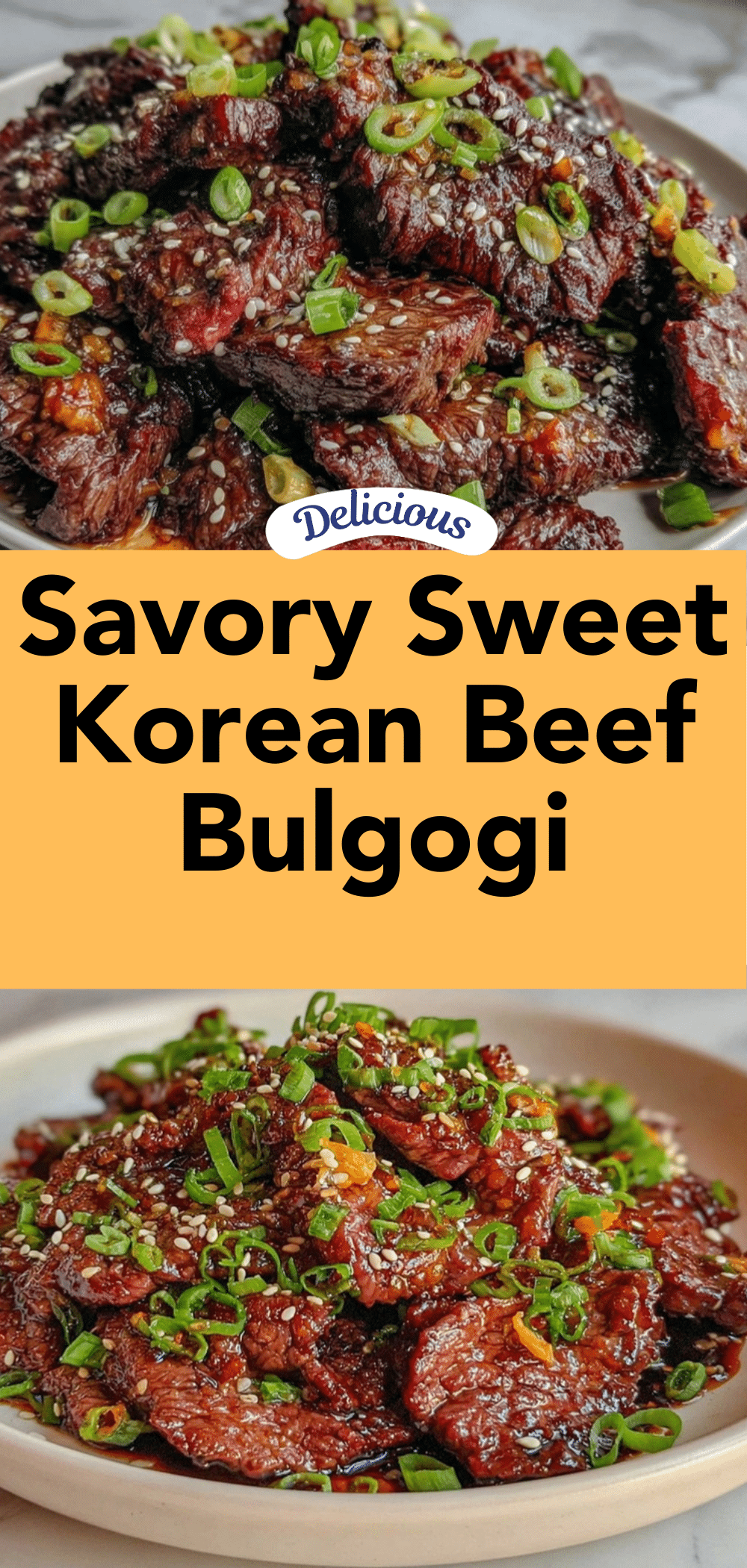
Savory Sweet Korean Beef Bulgogi Recipe Easy Authentic Dinner Idea
A quick and easy Korean beef bulgogi recipe featuring tender ribeye or sirloin marinated in a savory sweet blend of soy sauce, pear, garlic, and sesame oil. Perfect for weeknight dinners with authentic flavors and a comforting touch.
- Prep Time: 15 minutes
- Cook Time: 10 minutes
- Total Time: 25 minutes
- Yield: 4 servings 1x
- Category: Main Course
- Cuisine: Korean
Ingredients
- 1 pound (450g) beef ribeye or sirloin, thinly sliced
- ½ cup (120ml) Asian pear, grated
- ⅓ cup (80ml) low sodium soy sauce
- 2 tablespoons brown sugar
- 3 cloves garlic, minced
- 1 tablespoon fresh ginger, grated
- 1 tablespoon sesame oil
- 2 stalks green onions, thinly sliced
- ½ teaspoon freshly ground black pepper
- 1 tablespoon toasted sesame seeds (optional)
- 1 tablespoon vegetable oil or neutral oil for cooking
Instructions
- Slice about 1 pound (450g) of ribeye or sirloin against the grain into thin strips, roughly ⅛ inch (3 mm) thick. If the beef is too soft to slice, freeze it for 20-30 minutes first.
- Grate ½ cup (120ml) of Asian pear and 1 tablespoon of fresh ginger using a fine grater or food processor.
- In a large bowl, combine ⅓ cup (80ml) low sodium soy sauce, 2 tablespoons brown sugar, 3 minced garlic cloves, grated pear, grated ginger, 1 tablespoon sesame oil, ½ teaspoon freshly ground black pepper, and sliced green onions. Stir until sugar dissolves.
- Add the sliced beef to the marinade, toss to coat evenly. Cover and refrigerate for at least 30 minutes, ideally 1-2 hours.
- Heat 1 tablespoon vegetable oil in a large skillet or cast-iron pan over medium-high heat until shimmering.
- Add the marinated beef in a single layer, cooking in batches if needed. Cook 2-3 minutes per side, stirring occasionally, until browned and cooked through but still tender.
- Remove from heat and sprinkle with toasted sesame seeds if using. Serve immediately over steamed rice or wrapped in lettuce leaves.
Notes
Freeze beef slightly before slicing for easier thin cuts. Use Asian pear for tenderizing and subtle sweetness. Cook beef in batches to avoid steaming and get caramelized edges. For gluten-free, substitute soy sauce with tamari. Add gochujang or red pepper flakes for heat. Sesame oil enhances aroma and flavor.
Nutrition
- Serving Size: Approximately 4 ounc
- Calories: 320
- Sugar: 8
- Sodium: 600
- Fat: 18
- Saturated Fat: 5
- Carbohydrates: 12
- Fiber: 1
- Protein: 28
Keywords: Korean beef bulgogi, savory sweet bulgogi, easy Korean dinner, beef marinade, authentic bulgogi recipe