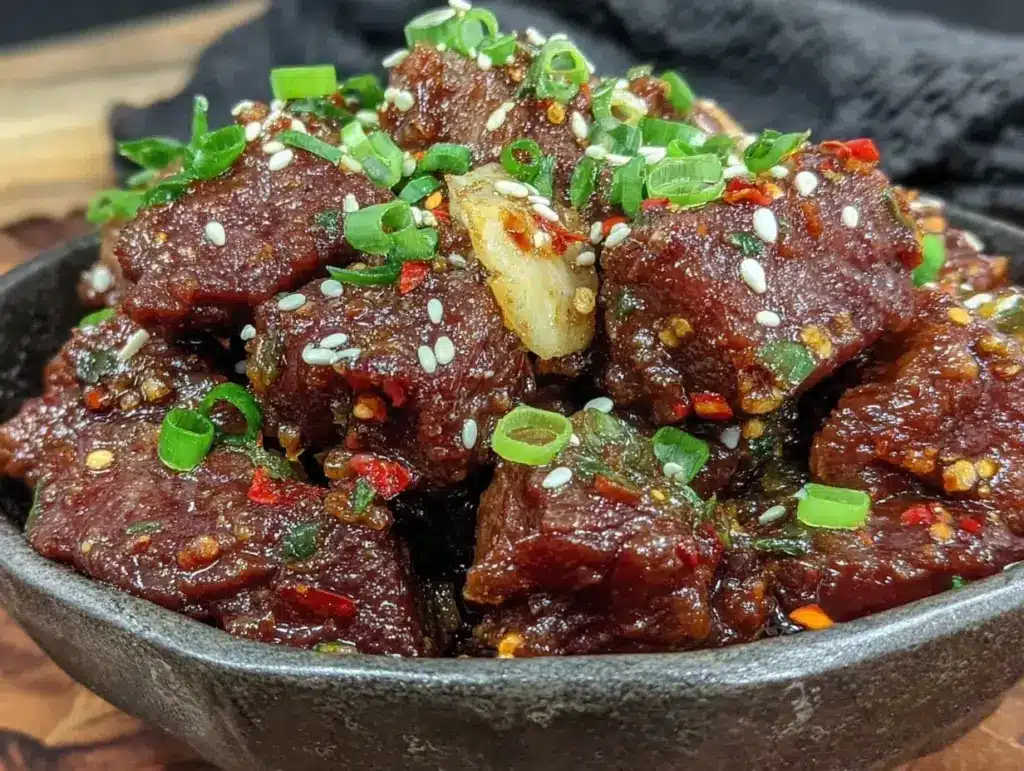
The first time I made spicy Korean pork bulgogi, my kitchen instantly transformed into a bustling street food stall in Seoul. The aroma of fiery gochujang mingling with sweet soy sauce and garlic hit me like a warm, flavorful hug. Honestly, I didn’t expect this dish to become my go-to for weeknight dinners, but here we are—it’s a staple now. What’s wild is how this spicy Korean pork bulgogi recipe strikes that perfect balance between heat, sweetness, and umami, making it downright addictive.
I stumbled upon this recipe during a late-night craving, fiddling around with Korean flavors after watching a documentary on Korean barbecue culture. It’s a dish that’s deeply rooted in tradition but feels so approachable to make at home. Plus, pork is one of those proteins that soaks up marinades like a charm, and when paired with the punchy, spicy-sweet sauce, it’s next-level good.
Whether you’re looking to impress friends with an easy homemade dinner idea or just want something that packs a punch without hours in the kitchen, this spicy Korean pork bulgogi has got your back. I’ve tested and tweaked it multiple times to nail the perfect heat and tenderness, and it’s always a hit with family and friends. If you’re curious how this compares to other comfort dishes like a creamy chicken pot pie or a loaded potato soup, just know this recipe brings a bold, vibrant kick that’ll keep you coming back for seconds.
Why You’ll Love This Recipe
- Quick & Easy: Ready in under 30 minutes, perfect for busy weeknights when you want something exciting without fuss.
- Simple Ingredients: Most of what you need are pantry staples—soy sauce, garlic, brown sugar, and of course, that signature Korean spicy paste, gochujang.
- Perfect for Any Occasion: Whether it’s a casual dinner, a potluck, or a cozy night in, this recipe fits right in.
- Crowd-Pleaser: Kids and adults alike adore the sweet-spicy flavor combo; it’s a guaranteed hit at the table.
- Unbelievably Delicious: The pork comes out tender with caramelized edges, infused with layers of flavor that make you savor every bite.
What sets this spicy Korean pork bulgogi apart from other versions is the careful balance I’ve found between spice and sweetness. I blend the gochujang with a little honey and toasted sesame oil to create a sauce that’s fiery but smooth—not just straight heat. Also, marinating the pork thinly sliced lets the flavors soak way in, giving you that melt-in-your-mouth texture.
It’s honestly comfort food with an exciting twist—you get the soul-soothing satisfaction of a homemade meal but with a bold, vibrant flavor profile that feels anything but boring. Plus, this recipe is great if you want to experiment with Korean cuisine without feeling overwhelmed. It’s like a mini culinary adventure right in your own kitchen!
What Ingredients You Will Need
This spicy Korean pork bulgogi recipe uses straightforward ingredients that come together for bold flavor and satisfying texture. Most of these are pantry staples, which means no last-minute grocery runs are needed—always a win in my book.
- Pork Shoulder or Pork Butt, thinly sliced (1 lb / 450 g): Choose well-marbled pork for tender, juicy results. I prefer thin slices for maximum marinade absorption.
- Gochujang (Korean red chili paste) (3 tbsp): The star of the dish, bringing that spicy-sweet depth. I recommend Chung Jung One brand for authentic flavor.
- Soy Sauce (3 tbsp): Adds saltiness and umami. Low sodium works well if you want to control salt levels.
- Brown Sugar (2 tbsp): Balances the heat with a touch of sweetness.
- Garlic, minced (4 cloves): Fresh garlic is a must to punch up the flavor.
- Ginger, grated (1 tbsp): Adds warmth and a subtle zing.
- Sesame Oil (1 tbsp): Toasted for that nutty aroma that Korean dishes are known for.
- Green Onions (2 stalks), sliced: For freshness and garnish.
- Rice Wine or Mirin (1 tbsp): Helps tenderize the meat and brings a hint of sweetness.
- Black Pepper (to taste): Freshly ground for a little extra kick.
- Optional: Toasted Sesame Seeds (1 tbsp): For garnish and crunch.
If you want a gluten-free version, swap soy sauce for tamari. For a slightly different texture, you could try pork belly, though it will be richer. I’ve played with adding a splash of pineapple juice for extra tenderizing and mild sweetness, which works surprisingly well!
Equipment Needed
- Mixing Bowl: For marinating the pork; a medium-sized one works best.
- Sharp Knife or Meat Slicer: To get those thin, even pork slices—key for quick cooking and flavor absorption.
- Non-stick Skillet or Cast Iron Pan: Essential for getting that caramelized sear on the pork.
- Measuring Spoons: For accurate amounts of gochujang, soy sauce, and other ingredients.
- Tongs or Spatula: For stirring and flipping the pork during cooking.
If you don’t have a meat slicer, partially freezing the pork before slicing can make things easier. A cast iron pan really ups the flavor with its even heat and searing ability, but a heavy skillet will do just fine. Just make sure your pan gets nice and hot to get that addictive caramel crust on the pork!
Preparation Method
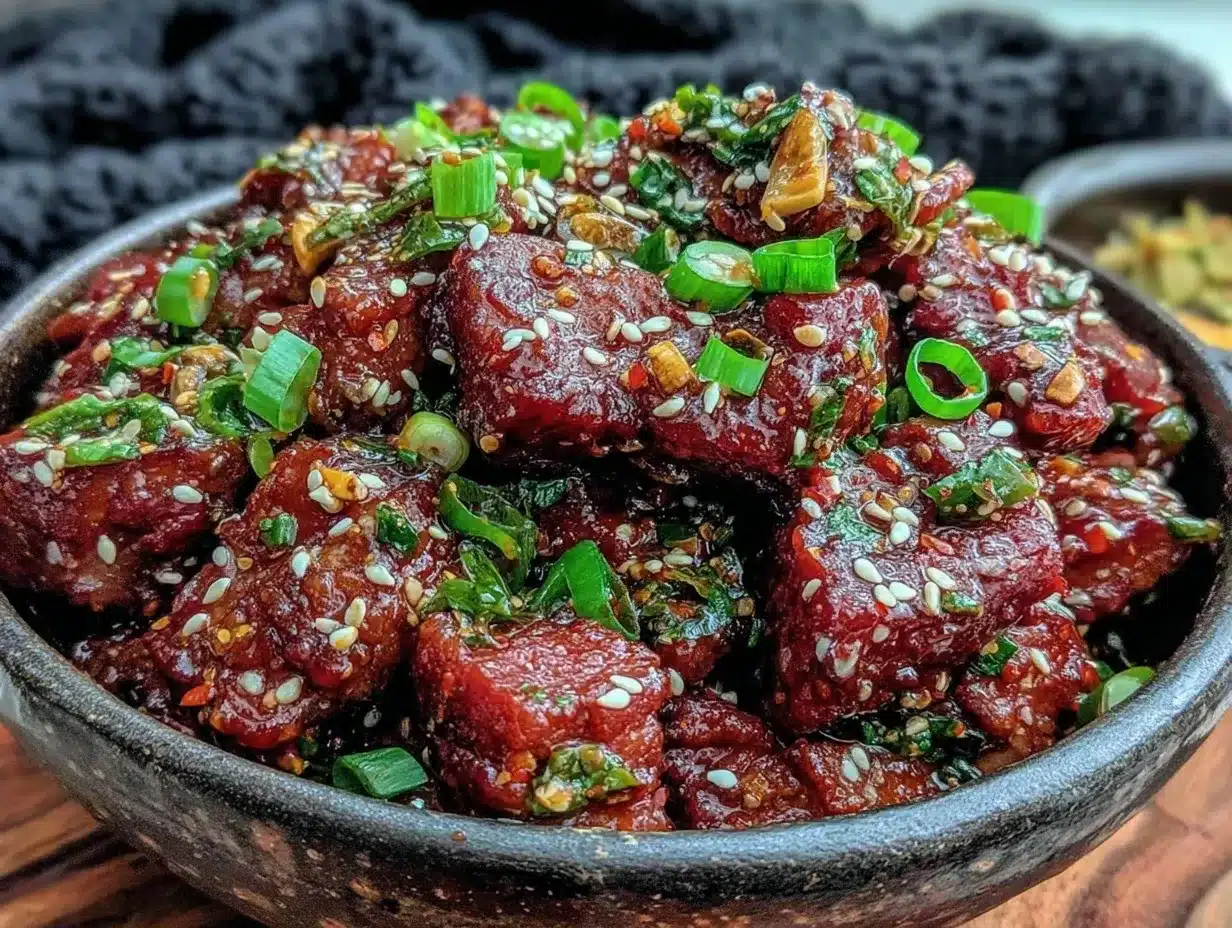
- Slice the Pork: Thinly slice 1 lb (450 g) of pork shoulder or pork butt. I like to freeze the meat for about 30 minutes beforehand—it firms it up and makes slicing easier and more uniform. Aim for slices about 1/8 inch (3 mm) thick.
- Prepare the Marinade: In a medium mixing bowl, combine 3 tablespoons gochujang, 3 tablespoons soy sauce, 2 tablespoons brown sugar, 4 minced garlic cloves, 1 tablespoon grated ginger, 1 tablespoon toasted sesame oil, 1 tablespoon rice wine or mirin, and a pinch of black pepper. Whisk everything together until smooth and well mixed. This mix is your flavor powerhouse.
- Marinate the Pork: Add the sliced pork to the marinade, tossing to coat each piece evenly. Cover the bowl with plastic wrap and refrigerate for at least 30 minutes, but overnight is best if you can plan ahead. This lets the pork soak up all those spicy, savory notes.
- Heat the Pan: Place a non-stick skillet or cast iron pan over medium-high heat. Wait until it’s really hot—this helps achieve a nice sear. A few drops of water should sizzle immediately when the pan is ready.
- Cook the Pork: Add the marinated pork in a single layer (you may need to do this in batches to avoid overcrowding). Cook for 3-4 minutes per side, stirring occasionally, until the pork is cooked through and caramelized around the edges. You’ll know it’s done when the pork turns golden brown and smells irresistibly fragrant.
- Finish and Garnish: Once cooked, transfer the pork to a serving plate. Sprinkle with sliced green onions and toasted sesame seeds if using. The green onions add a fresh pop of flavor and color that balances the rich pork.
Pro tip: Keep an eye on the heat during cooking. If the pan gets too hot, the sugar in the marinade may burn, so lower the heat slightly if needed. Also, don’t skip the resting time for the pork—it really makes a difference in tenderness and flavor depth.
Cooking Tips & Techniques
One trick I’ve learned is to slice the pork as thin as possible—this lets the marinade penetrate quickly, and the meat cooks evenly and fast. When you’re working with gochujang, remember it’s dense and spicy, so a little goes a long way. Taste the marinade before adding the pork to adjust sweetness or heat to your liking.
Overcrowding the pan is a common mistake. It traps steam and prevents that gorgeous caramelization, so cook in batches if needed. Also, don’t rush the cooking time; pork cooks fast, but you want those edges to get nicely browned without burning.
Timing is another factor—marinating overnight is ideal, but if you’re short on time, even 30 minutes will give you good flavor. When multitasking, prep your marinade and slice the pork first, then clean up before cooking so you can focus on that perfect sear.
Lastly, using toasted sesame oil at the end of cooking, rather than during, preserves its nutty aroma. Add it just before serving for maximum flavor impact.
Variations & Adaptations
This spicy Korean pork bulgogi recipe is super flexible. Here are a few ways to switch things up:
- Chicken Bulgogi: Swap pork for thinly sliced chicken thighs for a leaner option. Adjust cooking time as chicken cooks faster.
- Vegetarian Version: Use thickly sliced king oyster mushrooms or tofu marinated in the same sauce, then pan-fried until caramelized.
- Less Spicy: Reduce the gochujang by half and add a little extra brown sugar or honey to keep it balanced but milder.
- Extra Heat: Add fresh chopped chili or a dash of Korean chili flakes (gochugaru) if you love it fiery.
- Grilled Bulgogi: For a smoky twist, cook the marinated pork on a grill or grill pan instead of the stove. It adds a beautiful char and depth.
Personally, I once tried this recipe with a splash of orange juice in the marinade to brighten things up—it was a lovely surprise! Feel free to experiment with your favorites and make this spicy Korean pork bulgogi truly yours.
Serving & Storage Suggestions
This dish is best served hot right off the pan, paired with steamed jasmine rice or wrapped in crisp lettuce leaves for a fresh, hand-held bite. For a refreshing contrast, I like to serve it alongside quick pickled cucumbers or kimchi. It’s also fantastic with a simple side of sautéed spinach or a fried egg on top—talk about comfort food magic!
Leftovers keep well in an airtight container in the fridge for up to 3 days. When reheating, warm gently in a skillet over medium heat to avoid drying out the pork. You can add a splash of water or a drizzle of soy sauce to revive the sauce.
Flavors actually deepen after a day, so if you’re meal prepping, this spicy Korean pork bulgogi makes a delicious next-day lunch too. Just don’t forget to sprinkle fresh green onions before serving again to brighten the dish.
Nutritional Information & Benefits
This spicy Korean pork bulgogi packs protein from the pork and beneficial antioxidants from garlic and ginger. Gochujang also contains fermented ingredients, which may support gut health. While it’s flavorful and rich, using lean pork and controlling the amount of sugar keeps it balanced.
Per serving (about 4 oz / 115 g pork with sauce), you can expect roughly 250 calories, 20 grams of protein, and moderate carbs mainly from the brown sugar and gochujang. This makes it a satisfying, moderately low-carb meal option.
If you’re mindful of gluten, just swap in tamari or coconut aminos for soy sauce. The recipe is naturally dairy-free and can be adapted for low-sodium diets by reducing soy sauce.
Conclusion
If you’re craving something with a spicy kick but crave comfort too, this spicy Korean pork bulgogi recipe is a winner. It’s simple to make, packed with flavor, and perfect for sharing with family or friends. Don’t hesitate to tweak the spice level or try one of the variations to fit your taste buds exactly.
I keep coming back to this dish because it’s reliable, delicious, and always sparks a little joy in the kitchen. If you give it a try, I’d love to hear how you customize it or what sides you pair it with. Drop a comment below or share your foodie photos—let’s keep the conversation going!
Happy cooking, and may your meals be as vibrant as this spicy Korean pork bulgogi!
FAQs About Spicy Korean Pork Bulgogi
What cut of pork is best for bulgogi?
Thinly sliced pork shoulder or pork butt works best because of the marbling, which keeps the meat juicy and tender when cooked quickly.
Can I make this recipe gluten-free?
Absolutely! Just swap soy sauce with tamari or coconut aminos to keep the flavors intact without gluten.
How spicy is this bulgogi?
It has a medium heat level thanks to the gochujang. You can easily adjust the spice by using less gochujang or adding more chili flakes for extra heat.
Can I prepare the pork bulgogi ahead of time?
Yes, marinate the pork overnight for deeper flavor and cook it fresh when ready. Leftovers keep well in the fridge for up to 3 days.
What should I serve with spicy Korean pork bulgogi?
Steamed rice, lettuce wraps, kimchi, or simple sautéed vegetables all pair beautifully to balance the rich, spicy pork.
Pin This Recipe!
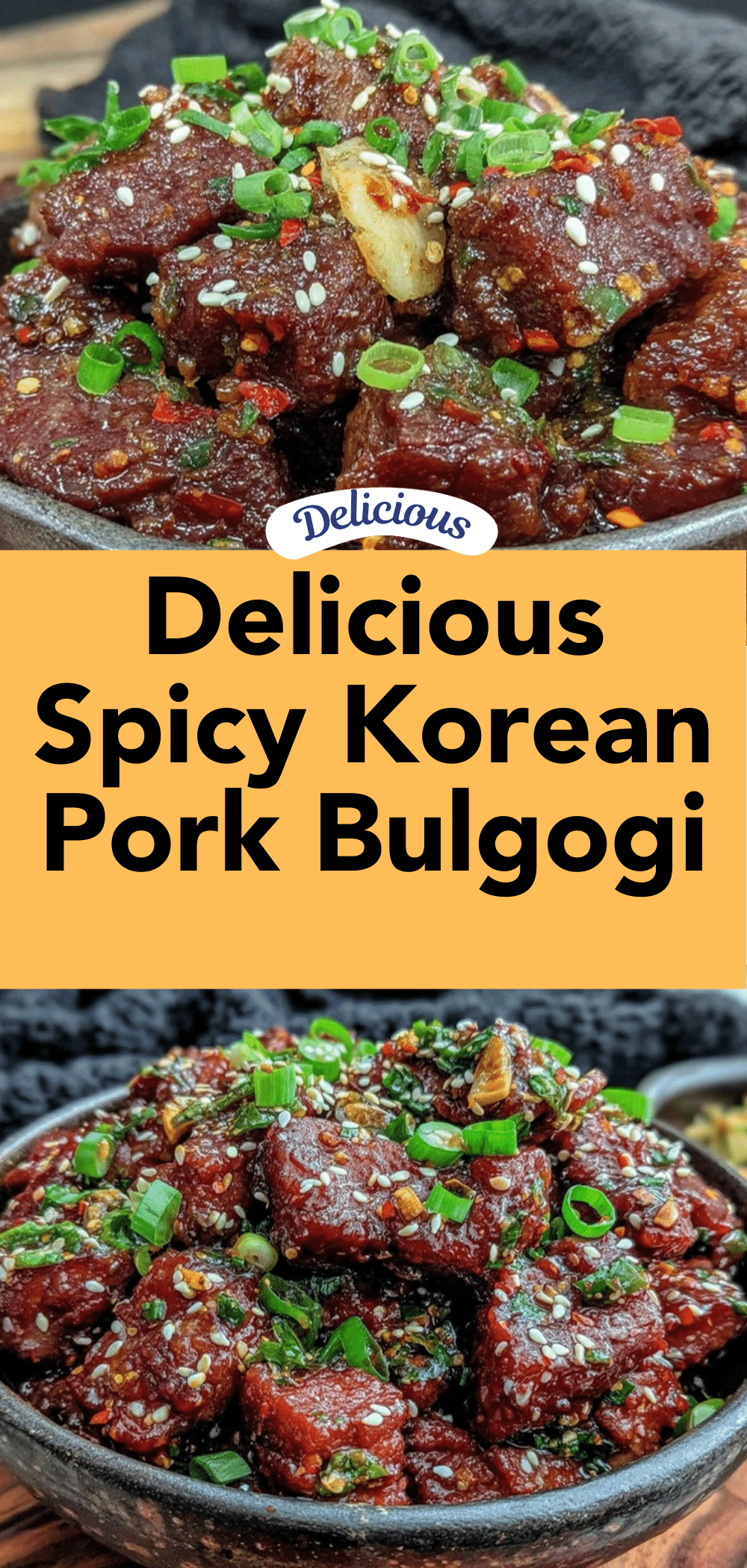
Spicy Korean Pork Bulgogi Recipe Easy Homemade Dinner Idea
A quick and easy spicy Korean pork bulgogi recipe that balances heat, sweetness, and umami for a flavorful weeknight dinner. Tender pork slices marinated in a spicy-sweet sauce and caramelized to perfection.
- Prep Time: 15 minutes
- Cook Time: 10 minutes
- Total Time: 25 minutes
- Yield: 4 servings 1x
- Category: Main Course
- Cuisine: Korean
Ingredients
- 1 lb (450 g) pork shoulder or pork butt, thinly sliced
- 3 tbsp gochujang (Korean red chili paste)
- 3 tbsp soy sauce (low sodium recommended)
- 2 tbsp brown sugar
- 4 cloves garlic, minced
- 1 tbsp grated ginger
- 1 tbsp toasted sesame oil
- 2 stalks green onions, sliced
- 1 tbsp rice wine or mirin
- Black pepper, to taste
- Optional: 1 tbsp toasted sesame seeds
Instructions
- Thinly slice 1 lb (450 g) of pork shoulder or pork butt. Freeze the meat for about 30 minutes beforehand to firm it up and make slicing easier and more uniform. Aim for slices about 1/8 inch (3 mm) thick.
- In a medium mixing bowl, combine 3 tablespoons gochujang, 3 tablespoons soy sauce, 2 tablespoons brown sugar, 4 minced garlic cloves, 1 tablespoon grated ginger, 1 tablespoon toasted sesame oil, 1 tablespoon rice wine or mirin, and a pinch of black pepper. Whisk until smooth and well mixed.
- Add the sliced pork to the marinade, tossing to coat each piece evenly. Cover the bowl with plastic wrap and refrigerate for at least 30 minutes, preferably overnight.
- Heat a non-stick skillet or cast iron pan over medium-high heat until very hot (a few drops of water should sizzle immediately).
- Add the marinated pork in a single layer (cook in batches if needed to avoid overcrowding). Cook for 3-4 minutes per side, stirring occasionally, until pork is cooked through and caramelized around the edges.
- Transfer the cooked pork to a serving plate. Sprinkle with sliced green onions and toasted sesame seeds if using.
Notes
Freeze pork for 30 minutes before slicing for easier thin cuts. Marinate overnight for best flavor. Cook in batches to avoid overcrowding the pan and ensure caramelization. Add toasted sesame oil at the end or just before serving to preserve its aroma. Adjust spice level by varying gochujang amount or adding chili flakes.
Nutrition
- Serving Size: Approximately 4 oz (
- Calories: 250
- Sugar: 6
- Sodium: 600
- Fat: 15
- Saturated Fat: 4
- Carbohydrates: 10
- Fiber: 1
- Protein: 20
Keywords: spicy Korean pork bulgogi, Korean barbecue, gochujang recipe, easy Korean dinner, pork bulgogi marinade, weeknight dinner, Korean pork recipe