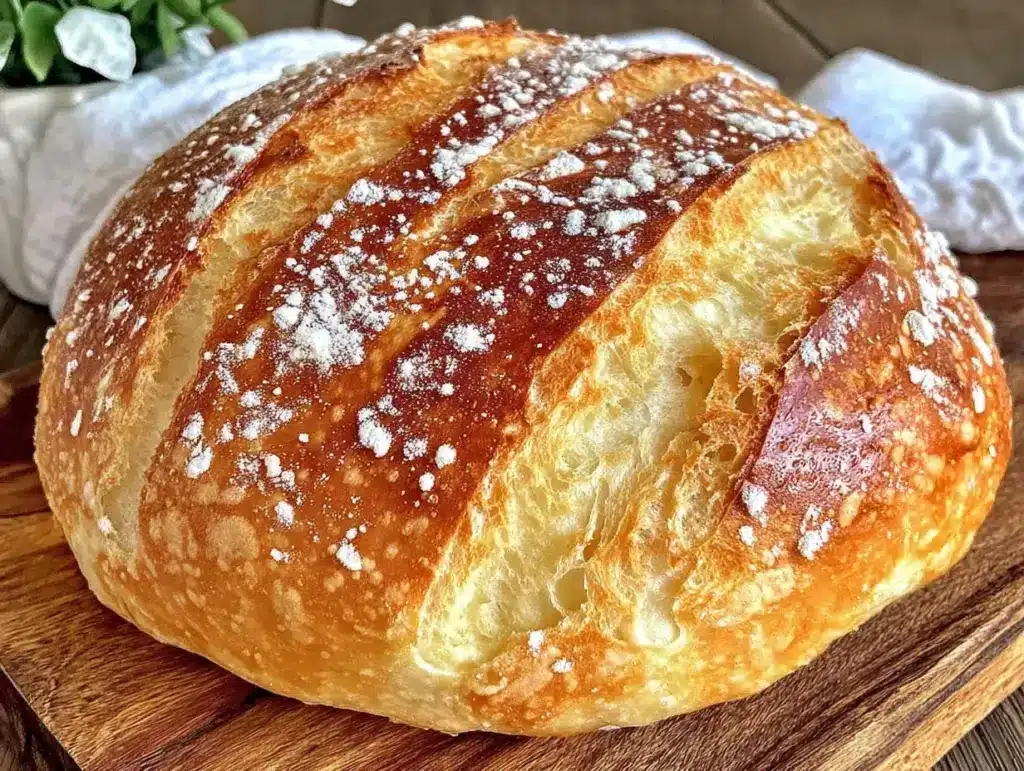
The smell of freshly baked French bread wafting through my kitchen always brings back memories of my first trip to Paris. I remember standing outside a little boulangerie, watching the baker pull golden loaves straight from the oven. That crust—that perfect crackle combined with a soft, airy crumb—was unlike anything I’d tasted before. Since then, I’ve been on a mission to master baked French bread at home, and honestly, after testing dozens of recipes, this one nailed it.
What I love about this baked French bread recipe is how approachable it is. You don’t need fancy ingredients or a bread machine—just simple pantry staples and a bit of patience. It’s ideal for those who want to enjoy bakery-quality bread without leaving the house. Plus, the crust comes out perfectly crisp, and the inside stays tender and chewy every single time.
Whether you’re new to bread baking or have been kneading dough for years, this baked French bread is worth your time. I’ve made it countless times, tweaking it until it became my go-to. It’s perfect for sandwiches, dipping into soups (like the loaded potato soup I adore), or just enjoying warm with butter. Trust me, once you try homemade baked French bread, store-bought loaves just won’t cut it anymore.
Why You’ll Love This Recipe
- Quick & Easy: The dough comes together in under 15 minutes, with hands-off rising time perfect for multitasking.
- Simple Ingredients: Flour, yeast, water, salt, and a pinch of sugar—no weird additives or preservatives here.
- Perfect for Any Occasion: Whether you’re hosting a casual dinner or craving a cozy night in, this bread pairs beautifully with everything from hearty stews to light salads.
- Crowd-Pleaser: Friends and family always ask for seconds—and it’s a hit with picky eaters who usually avoid homemade bread.
- Unbelievably Delicious: The crust shatters with every bite, and the crumb is soft but structured, making it just right for slicing.
This isn’t just another version of French bread. The trick? A well-timed steam in the oven that gives the loaf that signature glossy, crackly crust. Plus, I blend the dough with just enough hydration to keep it moist inside without turning gummy. Honestly, it’s the kind of bread that makes you close your eyes after the first bite and savor the moment.
If you want a classic loaf without fuss, this recipe delivers. It’s a little bit of French magic in your own kitchen, with none of the intimidation. And if you’re into soup and bread combos, this baked French bread is a dream partner for the creamy tomato soup I often make on chilly evenings.
What Ingredients You Will Need
This baked French bread recipe uses simple, wholesome ingredients to create a loaf with bold flavor and a satisfying texture. Most are pantry staples, so you probably have everything on hand already.
- All-purpose flour (3 ½ cups/420g) – I prefer King Arthur for consistent protein content and great chew.
- Warm water (1 ¼ cups/300ml) – Around 110°F (43°C) to activate the yeast without killing it.
- Active dry yeast (2 ¼ teaspoons or 1 packet) – This is what gives the bread its rise and light texture.
- Granulated sugar (1 tablespoon) – Just a touch to feed the yeast and help the crust brown nicely.
- Salt (1 ½ teaspoons) – Essential for flavor balance and strengthening gluten.
- Olive oil (1 tablespoon) – Adds a subtle richness and helps keep the crust from hardening too much.
If you want to switch things up, you can swap all-purpose flour for bread flour to get an even chewier texture. For a gluten-free version, try a blend like Bob’s Red Mill Gluten-Free flour and add xanthan gum as directed. If you’re out of olive oil, melted butter works, too, for a slightly different flavor.
Equipment Needed
- Large mixing bowl: For combining and proofing the dough. I like glass or stainless steel.
- Wooden spoon or dough whisk: To mix ingredients without overworking.
- Kitchen scale: Optional but handy for precise measurements, especially flour.
- Baking sheet or pizza stone: I prefer a pizza stone to mimic the heat of a bread oven, but a sturdy baking sheet works fine.
- Sharp knife or lame: For scoring the loaf before baking, which helps control rising and creates that classic look.
- Spray bottle or pan for steaming: Creating steam in the oven is key to that perfect crust. A spray bottle filled with water or a pan for boiling water works well.
If you don’t have a pizza stone, preheating a heavy baking sheet helps. Also, a Dutch oven can double as a mini bread oven, trapping steam beautifully (great for beginners). I’ve used both methods and each yields delicious results, so no stress if you’re working with basics.
Preparation Method
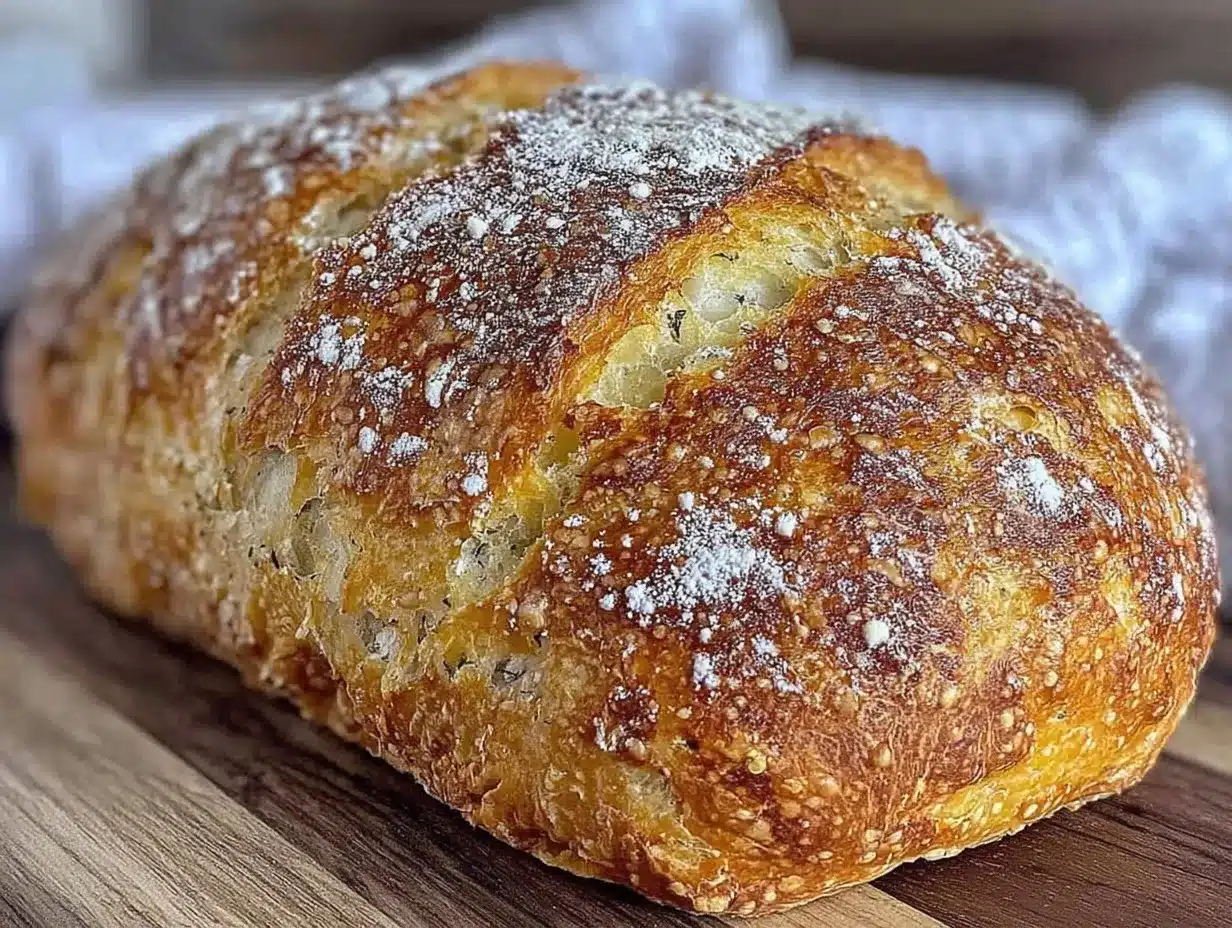
- Activate the yeast: In your large bowl, combine the warm water (1 ¼ cups/300ml) with sugar (1 tablespoon). Sprinkle the yeast (2 ¼ teaspoons) over the top and gently stir. Let it sit for 5-10 minutes until frothy and bubbly. This means the yeast is alive and ready.
- Mix the dough: Add 3 ½ cups (420g) of all-purpose flour and 1 ½ teaspoons salt to the yeast mixture. Pour in 1 tablespoon olive oil. Stir with a wooden spoon until a shaggy dough forms. It will feel sticky—that’s perfect.
- Knead the dough: Turn the dough onto a lightly floured surface. Knead by hand for about 8-10 minutes until it’s smooth and elastic. If it sticks too much, dust with flour sparingly. The dough should bounce back when pressed gently.
- First rise: Place the dough in a lightly oiled bowl, cover with a damp towel or plastic wrap, and set it in a warm spot. Let it rise for about 1 to 1½ hours, or until doubled in size. You’ll notice it puff up nicely—that airy rise is what makes the bread light.
- Shape the loaf: Punch down the dough gently to release air. Turn it out onto a floured surface and shape it into a long oval or classic baguette shape about 14 inches (35 cm) long. Tuck the edges underneath for a smooth top.
- Second rise: Place the shaped loaf on a parchment-lined baking sheet or preheated pizza stone. Cover loosely with a kitchen towel and let it rise for another 30-45 minutes until puffy but not doubled.
- Preheat the oven: Preheat to 450°F (232°C). Place a shallow pan in the oven’s bottom to heat for steaming later.
- Score the bread: Just before baking, use a sharp knife or lame to make 3-4 diagonal slashes across the top of the loaf. This helps control expansion and creates that signature look.
- Bake with steam: Place the bread in the oven. Quickly pour ½ cup (120ml) of hot water into the preheated pan to create steam. Close the oven door fast to trap it. Bake for 20-25 minutes until the crust is deep golden brown and sounds hollow when tapped.
- Cool completely: Transfer the bread to a wire rack and let it cool at least 30 minutes before slicing. This resting time finishes the baking inside and keeps the crumb from getting gummy.
Pro tip: If the crust gets too dark too fast, tent the bread with foil halfway through baking. Also, using a spray bottle to mist the oven walls just before closing can add extra steam for crust glory. I often multitask by prepping a cozy pot of creamy vegetable soup while the bread rises—it’s a perfect pairing!
Cooking Tips & Techniques
One thing I learned the hard way is that yeast temperature matters—a lot. Water that’s too hot can kill the yeast, and too cold slows the rise. Aim for around 110°F (43°C) and test with a thermometer if you’re unsure. Patience during rising times also pays off; rushing leads to dense bread.
When kneading, don’t be tempted to add too much flour. Sticky dough is normal and helps create an open crumb. Flour dusting should be light, just enough to handle the dough without sticking to your hands.
Scoring the loaf isn’t just decorative. The slashes give the bread room to expand without bursting unpredictably. Use a very sharp blade and make confident, swift cuts.
Steam in the oven is a game-changer. It delays crust formation, allowing the bread to rise fully and develop that crackly texture. Without steam, the crust can turn out dull and tough.
Lastly, cooling the bread fully before slicing is key. I know it’s tempting to dig in right away, but cutting too soon results in a gummy middle. Waiting lets the crumb set properly.
Variations & Adaptations
- Herb-infused bread: Add 1-2 tablespoons of finely chopped fresh herbs like rosemary or thyme into the dough for an aromatic twist.
- Garlic French bread: Brush the loaf with garlic butter right after baking for a flavorful crust perfect for dipping.
- Whole wheat substitution: Replace half the all-purpose flour with whole wheat for a nuttier flavor and added fiber. You might need to add a bit more water.
- Alternative cooking methods: Baking in a preheated Dutch oven traps steam naturally, giving a crusty exterior without extra pans.
- Dairy-free option: This recipe is naturally dairy-free, but swapping olive oil with coconut oil gives a subtle sweetness.
I once tried adding caramelized onions into the dough for a special occasion, and it was a hit—adds a sweet-savory depth that pairs beautifully with cheese boards.
Serving & Storage Suggestions
This baked French bread shines best warm, just out of the oven, slathered with butter or dipped into soups. It’s a natural partner for stews and creamy soups like the easy creamy tomato soup I often make on chilly nights.
Store leftover bread wrapped loosely in a clean kitchen towel or paper bag at room temperature to keep the crust crisp. Avoid plastic bags unless you want a soft crust. For longer storage, slice and freeze the bread in airtight bags. Toast slices from frozen for a fresh-baked feel.
Reheating in a 350°F (175°C) oven for 5-10 minutes refreshes the crust nicely. Over time, the bread’s flavor mellows and deepens, so it’s worth saving some for the next day.
Nutritional Information & Benefits
Per slice (about 1/12th of the loaf), this baked French bread offers roughly 120 calories, 24g carbohydrates, 3g protein, and 1g fat. It’s a low-sugar, simple ingredient bread free from preservatives and additives.
The key ingredient, flour, provides energy through complex carbs, while olive oil adds heart-healthy fats. The bread is naturally dairy-free, vegan, and can be made gluten-free with substitutions. It’s perfect for those who want a wholesome, homemade bread without excess ingredients.
From a wellness perspective, I appreciate how this bread satisfies carb cravings with real, straightforward ingredients. It pairs well with nutrient-rich soups and salads for balanced meals.
Conclusion
If you’ve ever wanted to bake bakery-style French bread at home without fuss, this recipe is your answer. It’s simple, approachable, and yields a loaf with a perfect crust and tender crumb every time. I love that it brings a bit of that Paris bakery magic right into my kitchen, plus it pairs wonderfully with comforting dishes like the creamy chicken pot pie I often make when the weather turns chilly.
Don’t be afraid to tweak it with your favorite herbs or try different baking methods. Baking bread is as much about enjoying the process as the result. I’d love to hear how your baked French bread turns out—drop a comment or share your own variations below!
Happy baking, friends. There’s truly nothing like the smell of fresh bread to make a house feel like home.
FAQs about Baked French Bread
How long does homemade French bread stay fresh?
Stored at room temperature wrapped in a paper bag or kitchen towel, it stays fresh for 2-3 days. For longer storage, freeze sliced bread and toast as needed.
Can I use instant yeast instead of active dry yeast?
Yes! If using instant yeast, skip the activation step and mix it directly with the flour. You might notice a faster rise.
Why is my French bread dense instead of airy?
Common reasons include water temperature too hot or cold, not kneading enough, or rushing the rising time. Make sure to let it double in size and knead until dough is smooth.
Do I need to steam the oven for good crust?
Steam helps create that classic crispy crust by keeping the dough surface moist during baking. You can create steam with a pan of hot water or by misting the oven walls.
Can I make this bread without a pizza stone?
Absolutely! A heavy baking sheet preheated in the oven works fine. Just be sure to heat it well before placing the dough on it for best results.
Pin This Recipe!
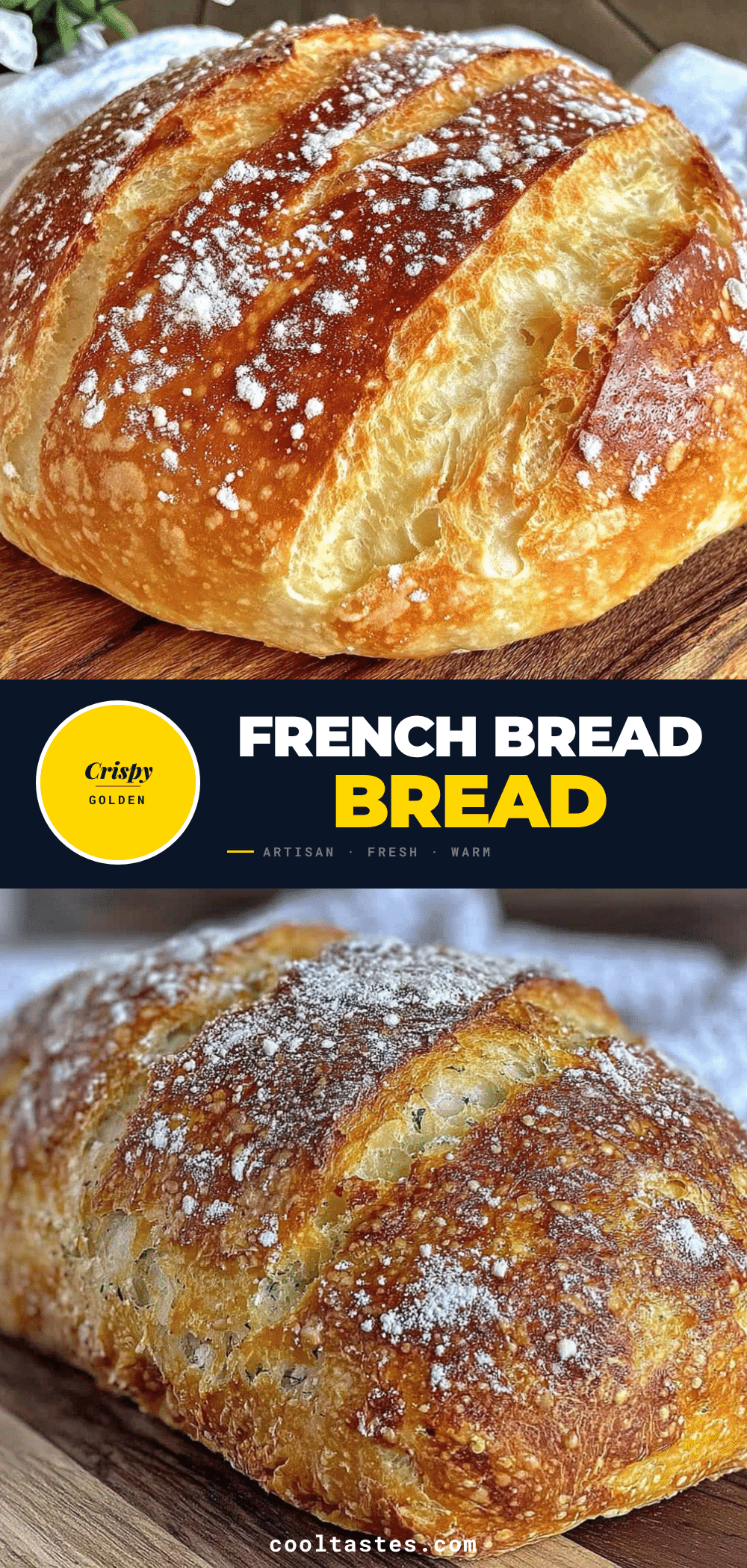
Baked French Bread Recipe Easy Homemade Perfect Crust Tutorial

This baked French bread recipe yields a loaf with a perfectly crisp crust and a soft, airy crumb. It’s simple, approachable, and uses basic pantry ingredients to create bakery-quality bread at home.
- Prep Time: 15 minutes
- Cook Time: 25 minutes
- Total Time: 2 hours 10 minutes
- Yield: 12 servings 1x
- Category: Bread
- Cuisine: French
Ingredients
- 3 ½ cups (420g) all-purpose flour
- 1 ¼ cups (300ml) warm water (around 110°F / 43°C)
- 2 ¼ teaspoons (1 packet) active dry yeast
- 1 tablespoon granulated sugar
- 1 ½ teaspoons salt
- 1 tablespoon olive oil
Instructions
- Activate the yeast: In a large bowl, combine warm water and sugar. Sprinkle yeast over the top and stir gently. Let sit 5-10 minutes until frothy.
- Mix the dough: Add flour and salt to the yeast mixture. Pour in olive oil. Stir with a wooden spoon until a shaggy dough forms.
- Knead the dough: Turn dough onto a lightly floured surface and knead 8-10 minutes until smooth and elastic.
- First rise: Place dough in a lightly oiled bowl, cover, and let rise in a warm spot for 1 to 1½ hours until doubled in size.
- Shape the loaf: Punch down dough, shape into a 14-inch long oval or baguette shape, tucking edges underneath.
- Second rise: Place shaped loaf on parchment-lined baking sheet or preheated pizza stone. Cover loosely and let rise 30-45 minutes until puffy.
- Preheat oven to 450°F (232°C). Place a shallow pan in the oven bottom to heat for steam.
- Score the bread: Make 3-4 diagonal slashes on top of the loaf with a sharp knife or lame.
- Bake with steam: Place bread in oven, quickly pour ½ cup (120ml) hot water into the pan to create steam, close door fast. Bake 20-25 minutes until deep golden and hollow sounding when tapped.
- Cool completely: Transfer bread to wire rack and cool at least 30 minutes before slicing.
Notes
Use water at about 110°F to activate yeast properly. Knead dough until smooth and elastic but avoid adding too much flour. Steam in the oven is essential for a glossy, crackly crust. Cool bread completely before slicing to avoid gummy crumb. Tent with foil if crust browns too fast. A Dutch oven can be used as an alternative baking method to trap steam naturally.
Nutrition
- Serving Size: 1 slice (1/12th of l
- Calories: 120
- Fat: 1
- Carbohydrates: 24
- Protein: 3
Keywords: French bread, homemade bread, baked bread, crusty bread, easy bread recipe, bakery style bread, French baguette