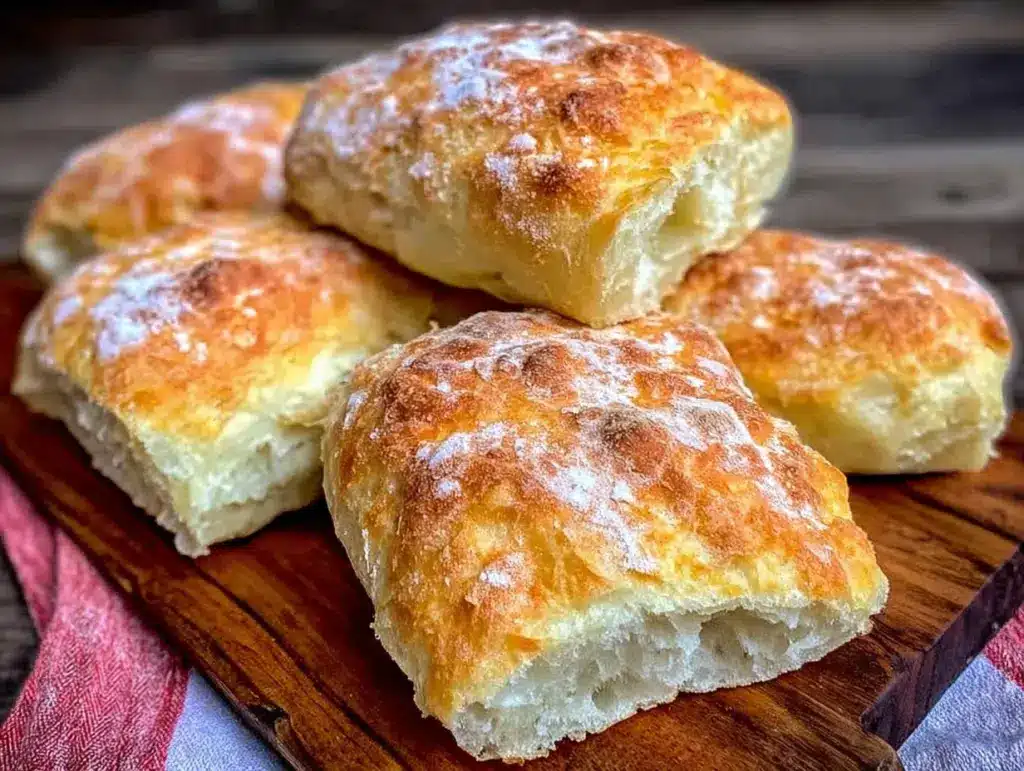
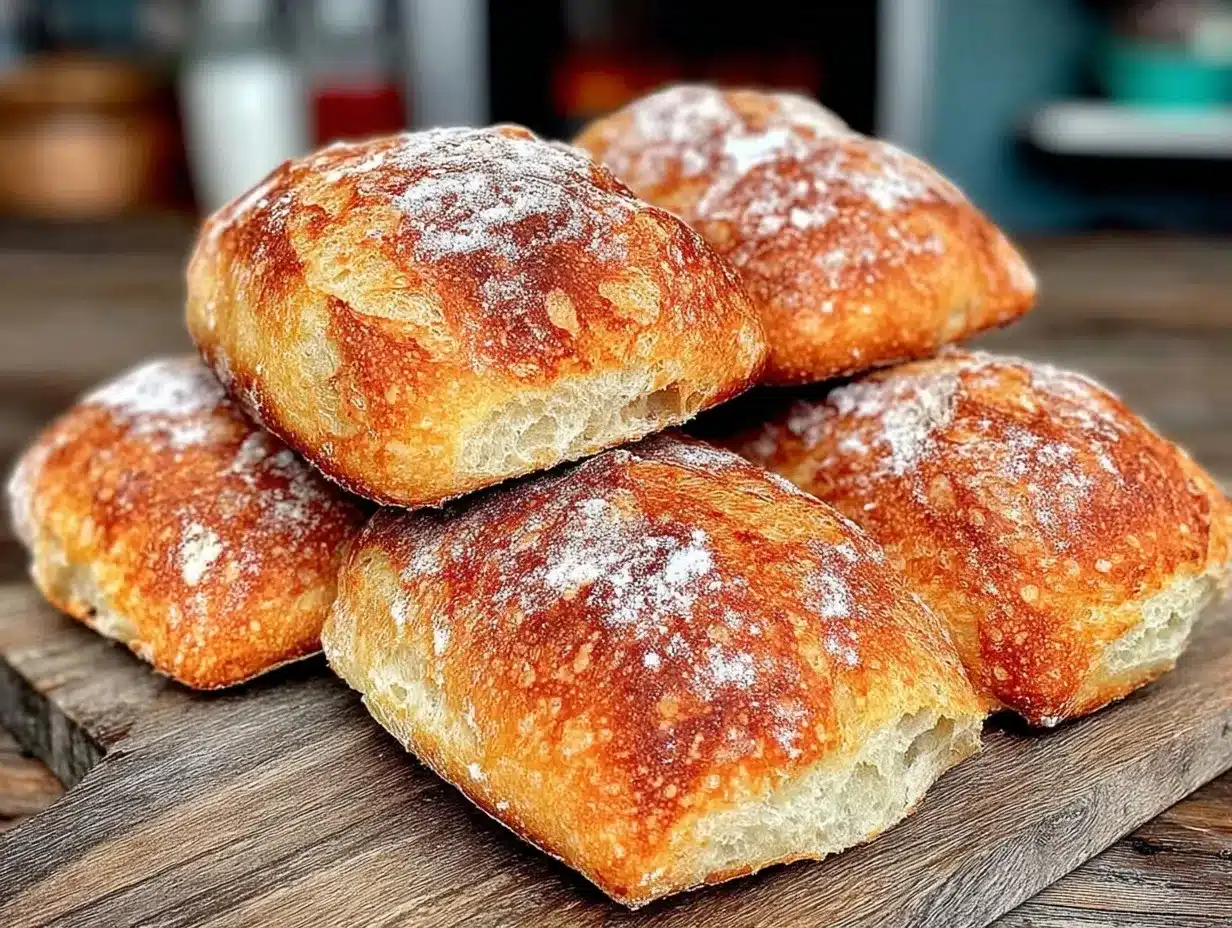
The moment you break into a warm, fluffy homemade ciabatta roll, with its soft crumb and crisp, golden crust, you just know it’s something special. I remember the first time I tried making these rolls myself — it was a lazy Sunday afternoon, and I was craving fresh bread but didn’t want to run to the bakery. Honestly, baking bread can feel intimidating, but this fluffy homemade ciabatta rolls recipe changed the game for me.
What I love most about these rolls is how light and airy they turn out, almost like biting into a cloud, yet they still have that classic Italian chewiness that makes ciabatta so addictive. Over the years, I’ve tweaked the recipe a bit — sometimes using bread flour, sometimes all-purpose, and always experimenting with hydration levels to get that perfect texture. I’ve baked these rolls dozens of times, and they never fail to impress friends and family.
Whether you’re a bread rookie or a seasoned home baker, these fluffy homemade ciabatta rolls are straightforward enough to try on a weeknight but impressive enough for a Sunday dinner. They’re perfect alongside a cozy bowl of soup or as a base for a killer sandwich. Plus, they freeze beautifully, so you can enjoy fresh bread any day you please. Let me walk you through how you can easily make these delightful rolls right in your own kitchen.
Why You’ll Love This Recipe
After baking fluffy homemade ciabatta rolls more times than I can count, I’m confident that this recipe hits the sweet spot between simplicity and bakery-quality bread. Here’s why it quickly became a staple in my kitchen:
- Quick & Easy: You won’t spend hours babysitting the dough. The process is straightforward and comes together in under 3 hours, including resting time.
- Simple Ingredients: No need for fancy flours or strange additives—just basics you probably already have, like flour, yeast, water, and salt.
- Perfect for Any Occasion: Whether it’s a casual family dinner or a weekend brunch, these rolls are an adaptable crowd-pleaser.
- Crowd-Pleaser: Kids love them, adults love them, and honestly, they’re pretty addictive with butter or dipped in olive oil.
- Unbelievably Delicious: Thanks to the high hydration dough and gentle folding method, these rolls have that iconic open crumb and light texture that make homemade bread feel fancy.
This isn’t just another bread recipe. What sets it apart is the balance of fluffiness and crust, achieved by a slow fermentation and careful handling of the dough. The technique might seem a bit different at first, but once you get the hang of it, you’ll find yourself making these fluffy homemade ciabatta rolls regularly to impress guests or simply treat yourself.
For a perfect pairing, I often serve these rolls with my favorite loaded potato soup or a comforting creamy tomato soup, letting the bread soak up all those rich flavors.
What Ingredients You Will Need
This fluffy homemade ciabatta rolls recipe comes together with just a handful of simple, wholesome ingredients. Each plays a crucial role in creating that airy crumb and golden crust you’re after.
- Bread Flour (3 ½ cups / 420g): I recommend bread flour for its higher protein content, which builds strong gluten and supports that chewy texture. If you want a softer crumb, you can swap half for all-purpose flour.
- Instant Yeast (2 ¼ tsp / 7g): Also called rapid-rise yeast, it gets the dough bubbling faster without needing to proof first.
- Warm Water (1 ¾ cups / 420ml): The secret to fluffy rolls is a high hydration dough, so don’t skimp on the water! Lukewarm (around 105°F / 40°C) helps activate the yeast just right.
- Olive Oil (2 tbsp / 30ml): Adds richness and a tender crumb. I prefer a fruity extra virgin olive oil, but any mild oil works.
- Salt (1 ½ tsp / 9g): Essential for flavor balance and strengthening gluten. Sea salt or kosher salt are great choices here.
- Optional: Semolina Flour or Cornmeal (for dusting): Sprinkling a bit on your baking sheet helps prevent sticking and adds a nice rustic touch.
All these ingredients are pantry staples, so you can whip up these rolls without a special trip to the store. If you’re curious about variations, you can substitute half the bread flour with whole wheat for a nuttier flavor or try using a gluten-free flour mix (though texture changes a bit). This recipe is pretty forgiving and adapts well to simple swaps.
Equipment Needed
Making fluffy homemade ciabatta rolls doesn’t require fancy equipment, but having the right tools makes the process smoother and more enjoyable.
- Large Mixing Bowl: For combining ingredients and letting the dough rise. A glass or stainless steel bowl works best.
- Stand Mixer with Dough Hook (Optional): If you have one, it saves effort kneading the sticky dough, but hand mixing works fine too.
- Dough Scraper or Bench Knife: Essential for handling the wet dough without losing your patience or sticky fingers.
- Baking Sheet or Pizza Stone: A pizza stone gives the best crust, but a heavy-duty baking sheet lined with parchment paper is perfectly fine.
- Clean Kitchen Towel or Plastic Wrap: To cover the dough during rising, keeping it cozy and moist.
- Oven Thermometer (Optional): I swear by mine for consistent baking temps, especially for breads.
When I first started making ciabatta rolls, I didn’t have a stand mixer and used a bowl and hands only. It’s a bit messier but totally doable. If you want a budget-friendly option, look for silicone baking mats or parchment paper to prevent sticking without extra flour.
Preparation Method
- Mix the Dough (10 minutes): In your large bowl, combine 3 ½ cups (420g) bread flour, 2 ¼ teaspoons (7g) instant yeast, and 1 ½ teaspoons (9g) salt. Stir to distribute evenly. Add 1 ¾ cups (420ml) warm water and 2 tablespoons (30ml) olive oil. Use a wooden spoon or stand mixer with a dough hook to mix until a wet, sticky dough forms. It will be loose and stretchy — that’s exactly what you want.
- First Rise (1 to 1 ½ hours): Cover the bowl with a damp kitchen towel or plastic wrap. Let the dough rest at room temperature until it doubles in size and is bubbly on the surface. This slow fermentation develops flavor and texture.
- Gentle Folding (5 minutes): Lightly flour your work surface and with floured hands, gently turn the dough out. It will be sticky, so use a dough scraper if needed. Fold the dough over itself 3-4 times to build structure without deflating the air bubbles. Shape into a rough rectangle. Cover and rest for 20 minutes.
- Divide and Shape (10 minutes): After resting, divide the dough into 8 equal pieces (about 100g/3.5 oz each). Gently shape each piece into an oval ciabatta roll by folding the edges underneath — don’t overwork it. Place them spaced apart on a baking sheet dusted with semolina or parchment paper.
- Final Proof (45 minutes): Cover the rolls loosely and let them rise until puffy but not doubled. They will look airy and soft to the touch.
- Preheat Oven and Bake (20-25 minutes): Preheat your oven to 450°F (230°C) with a baking stone or sheet inside. To mimic steam for a crisp crust, place a shallow pan of hot water on the oven floor. Bake the rolls for 20-25 minutes until golden brown and hollow-sounding when tapped underneath.
- Cool and Enjoy: Transfer rolls to a wire rack and let cool slightly before slicing. The smell alone will have you reaching for butter or dipping oil.
Pro tip: Don’t rush the rises! The slow fermentation is what gives these fluffy homemade ciabatta rolls their signature flavor and texture. Also, handling the dough gently keeps those lovely air pockets intact. If your dough feels too sticky, give your hands a light oiling instead of adding flour, so you don’t toughen the bread.
Cooking Tips & Techniques
Making ciabatta rolls at home is a rewarding experience, but a few key tips can make all the difference between good and absolutely dreamy bread.
- Hydration is Key: Ciabatta dough is wetter than typical bread dough. Don’t fight the stickiness — it’s what creates those open, fluffy pockets inside.
- Use Instant Yeast: It saves time and hassle since you don’t have to proof it first. Just mix it right in with your dry ingredients.
- Gentle Handling: When shaping, resist the urge to knead or punch down the dough aggressively. Folding helps develop gluten without deflating the bubbles.
- Steam for Crust: Introducing steam in the oven (a pan of water or spritzing the oven walls) helps develop a crispy, shiny crust.
- Don’t Overbake: Overbaked ciabatta becomes dry and crumbly. Aim for a golden crust with a hollow sound when tapped.
- Practice Patience: It’s tempting to rush through the rising steps, but the flavor and texture payoff is worth the wait.
I remember my first batch turned out dense because I didn’t wait long enough for the first rise — lesson learned! Now, I always mark my timer and check the dough visually rather than by the clock. If you want to multitask, mix the dough in the morning and do the final shaping just before dinner. You’ll have fresh rolls without the last-minute rush.
Variations & Adaptations
This fluffy homemade ciabatta rolls recipe is a great canvas for customization to suit your taste or dietary needs.
- Whole Wheat Ciabatta Rolls: Swap out half the bread flour for whole wheat flour for a heartier, nuttier flavor. You may need to add a splash more water for hydration.
- Herb-Infused Rolls: Add 1-2 tablespoons of finely chopped fresh rosemary, thyme, or oregano to the dough for an aromatic twist. These herb rolls are fantastic alongside soup or grilled meats.
- Gluten-Free Adaptation: Use a gluten-free baking mix designed for bread (like Bob’s Red Mill 1-to-1). The texture will be different but still tasty. Add xanthan gum if your blend doesn’t include it to help with structure.
- Baking Method Change: Instead of rolls, shape the dough into a single loaf and bake on a pizza stone for a classic ciabatta loaf experience.
- Cheesy Ciabatta Rolls: Fold in ½ cup shredded mozzarella or Parmesan cheese right before shaping for a gooey surprise inside.
Personally, I love making herb ciabatta rolls during the summer when fresh rosemary is abundant. They pair perfectly with a bowl of creamy vegetable soup, giving both the bread and soup a fresh, savory note.
Serving & Storage Suggestions
Freshly baked fluffy homemade ciabatta rolls are best enjoyed warm with a pat of butter or dipped in good olive oil and balsamic vinegar. They also make an amazing base for sandwiches or alongside hearty soups, like the autumn tortellini soup with sausage that warms you up on chilly nights.
If you have leftovers (which is rare in my house), store the rolls in an airtight container at room temperature for up to 2 days. For longer storage, slice and freeze them in a zip-top bag. To reheat, toast slices directly from frozen or warm whole rolls wrapped in foil at 350°F (175°C) for 10-15 minutes.
Over time, the flavors deepen slightly, and the crust softens a bit when stored, making them perfect for quick sandwiches or dipping. I often slice a few in advance and keep them handy for a no-fuss snack or to accompany dinner.
Nutritional Information & Benefits
These fluffy homemade ciabatta rolls are made with minimal ingredients and offer a simple, wholesome bread option. Each roll (about 100g) contains roughly 180-210 calories, mostly from carbohydrates, with a small amount of protein and fat from olive oil.
Using olive oil adds heart-healthy monounsaturated fats, while bread flour provides good gluten structure and some B vitamins. The recipe is naturally free from added sugars and preservatives found in store-bought bread.
If you need a gluten-free alternative, adapting with gluten-free flour blends can make this accessible for those with sensitivities. Just keep in mind the texture will be different, but still enjoyable.
From my perspective as someone who values homemade meals, these rolls offer a satisfying way to include fresh bread without unnecessary additives, creating a comforting and nourishing addition to any meal.
Conclusion
Making fluffy homemade ciabatta rolls might feel like a little leap if you’re new to bread baking, but trust me, it’s worth every minute. The combination of a tender crumb, crisp crust, and that homemade warmth makes these rolls unforgettable. They’re versatile enough for everyday meals and special occasions alike.
Feel free to make this recipe your own—add herbs, cheese, or swap flours to suit your tastes. I love how comforting and rewarding it is to pull these rolls fresh from the oven, and I’m excited for you to experience that too.
If you try this recipe, I’d love to hear how your rolls turn out or any fun twists you add! Drop a comment below or share your photos. Happy baking, and here’s to warm bread and happy hearts!
FAQs About Fluffy Homemade Ciabatta Rolls
How long does it take to make ciabatta rolls from start to finish?
From mixing to baking, expect about 3 hours total. Most of this time is hands-off rising and proofing.
Can I use all-purpose flour instead of bread flour?
Yes, you can. The rolls will be a bit less chewy and have a softer texture but still delicious.
Why is my ciabatta dough so sticky?
Ciabatta dough is naturally high in hydration, so it will feel wet and sticky. This is key for the airy texture. Use an oiled hand or a dough scraper to handle it.
Can I make the dough ahead of time?
Absolutely! You can refrigerate the dough after the first rise for up to 12 hours, then shape and bake when ready.
What’s the best way to store leftover ciabatta rolls?
Keep them in an airtight container at room temperature for up to 2 days or freeze slices for longer storage. Reheat by toasting or warming in the oven.
Pin This Recipe!

Fluffy Homemade Ciabatta Rolls

These fluffy homemade ciabatta rolls feature a soft crumb and crisp golden crust, perfect for any occasion. Easy to make with simple ingredients, they offer a light, airy texture with classic Italian chewiness.
- Prep Time: 15 minutes
- Cook Time: 20-25 minutes
- Total Time: 3 hours
- Yield: 8 rolls 1x
- Category: Bread
- Cuisine: Italian
Ingredients
- 3 ½ cups (420g) bread flour
- 2 ¼ teaspoons (7g) instant yeast
- 1 ½ teaspoons (9g) salt
- 1 ¾ cups (420ml) warm water (around 105°F / 40°C)
- 2 tablespoons (30ml) olive oil
- Optional: semolina flour or cornmeal for dusting
Instructions
- Mix the Dough (10 minutes): In a large bowl, combine bread flour, instant yeast, and salt. Stir to distribute evenly. Add warm water and olive oil. Mix until a wet, sticky dough forms.
- First Rise (1 to 1 ½ hours): Cover the bowl with a damp kitchen towel or plastic wrap. Let the dough rest at room temperature until it doubles in size and is bubbly on the surface.
- Gentle Folding (5 minutes): Lightly flour your work surface. Turn the dough out and fold it over itself 3-4 times to build structure. Shape into a rough rectangle. Cover and rest for 20 minutes.
- Divide and Shape (10 minutes): Divide the dough into 8 equal pieces (about 100g/3.5 oz each). Shape each piece into an oval ciabatta roll by folding edges underneath. Place on a baking sheet dusted with semolina or parchment paper.
- Final Proof (45 minutes): Cover the rolls loosely and let them rise until puffy but not doubled.
- Preheat Oven and Bake (20-25 minutes): Preheat oven to 450°F (230°C) with a baking stone or sheet inside. Place a shallow pan of hot water on the oven floor to create steam. Bake rolls until golden brown and hollow-sounding when tapped.
- Cool and Enjoy: Transfer rolls to a wire rack and let cool slightly before slicing.
Notes
Do not rush the rising times to develop flavor and texture. Handle dough gently to preserve air pockets. Use oiled hands instead of flour to handle sticky dough. Steam in the oven helps create a crisp crust. Store leftovers in an airtight container for up to 2 days or freeze for longer storage.
Nutrition
- Serving Size: 1 roll (about 100g /
- Calories: 180210
- Sodium: 350
- Fat: 4
- Saturated Fat: 0.5
- Carbohydrates: 35
- Fiber: 1
- Protein: 6
Keywords: ciabatta rolls, homemade bread, fluffy bread, Italian bread, soft rolls, easy bread recipe, baking bread at home