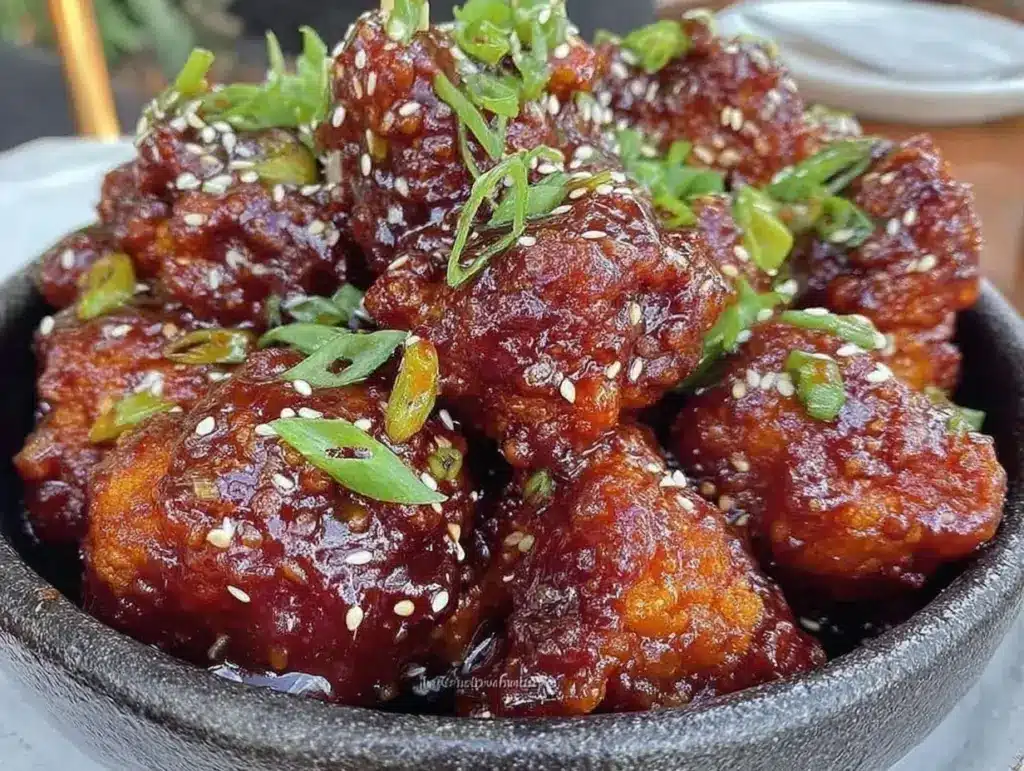
The first time I tried Korean baked cauliflower, I was honestly skeptical. Cauliflower, baked and tossed in a Korean-inspired sauce? It sounded daring. But the moment that crispy, saucy bite met my tongue, I was hooked. The smell of the spicy-sweet glaze mingling with the roasted cauliflower filled the kitchen with an irresistible aroma that made me forget about traditional wings or fried snacks. I remember that evening vividly — it was a chilly night, and I wanted something comforting yet light. This Korean baked cauliflower recipe quickly became my go-to for satisfying that craving without the usual heaviness.
This recipe isn’t just a healthier alternative; it’s a flavor-packed treat that delivers that crave-worthy crispiness you’d expect from your favorite Korean dishes. I’ve tested this recipe multiple times, tweaking the spice balance and baking times to get the perfect texture and flavor combo. Whether you’re a seasoned Korean food lover or new to the cuisine, this baked cauliflower fits right into your meal rotation, especially if you’re trying to sneak more veggies into your diet without compromising on taste.
Plus, if you’ve ever felt like your vegetable dishes needed a little more punch or excitement, this Korean baked cauliflower will surprise you. It’s got that bold, tangy gochujang kick with a hint of sweetness and garlic that makes it addictive. Honestly, it’s a crowd-pleaser, perfect for busy weeknights or casual get-togethers when you want something simple but memorable. And if you enjoy recipes like my creamy garlic parmesan chicken fillet, you’ll appreciate how this cauliflower balances comfort and zest in such a unique way.
Why You’ll Love This Recipe
After making this Korean baked cauliflower over and over, I can say it hits all the right notes. Here’s why it’s a winner in my kitchen and could be in yours:
- Quick & Easy: Ready in under 40 minutes, including prep and baking — perfect when you want a flavorful, fuss-free dinner or snack.
- Simple Ingredients: No exotic shopping runs needed. Most items are pantry staples or easy to find at any grocery store.
- Perfect for Any Occasion: Whether it’s a casual weeknight, a potluck, or a snacking session during a movie night, this recipe fits right in.
- Crowd-Pleaser: Kids, adults, picky eaters — everyone seems to love the crispy, saucy bite. It’s a sneaky way to get more veggies on the table.
- Unbelievably Delicious: The combo of tangy gochujang, subtle sweetness, and garlic packs a punch that keeps you coming back for more.
What sets this Korean baked cauliflower apart is the balance of textures and flavors. Baking instead of frying means less oil but all the crunch you want. Plus, blending the sauce to the perfect consistency so it clings well to the cauliflower was a game-changer — I’ve tried versions where the sauce was too runny or too thick, and this one nails it every time. It’s comfort food with a twist, healthier but just as satisfying. Honestly, it’s the kind of dish that makes you close your eyes after the first bite and smile.
What Ingredients You Will Need
This recipe uses straightforward ingredients that come together to make bold, punchy flavors and a crispy texture. Most are pantry staples or easy to grab, and I’ve included some substitution tips to keep it flexible.
- Cauliflower: 1 large head, cut into bite-sized florets (use firm, fresh cauliflower for best texture)
- Olive oil: 2 tablespoons (helps crisp the cauliflower)
- All-purpose flour: ½ cup (for light coating; can swap with gluten-free flour if needed)
- Water: ½ cup (to make the batter)
- Garlic powder: 1 teaspoon (adds a subtle garlic undertone)
- Salt: ½ teaspoon (balances flavors)
For the Korean Sauce:
- Gochujang (Korean chili paste): 3 tablespoons (the star ingredient, gives spicy, umami flavor; I recommend Chung Jung One brand for consistent heat)
- Soy sauce: 2 tablespoons (adds savory depth)
- Honey or maple syrup: 2 tablespoons (for sweetness to balance the spice)
- Rice vinegar: 1 tablespoon (adds a tangy brightness)
- Sesame oil: 1 teaspoon (for that nutty aroma)
- Minced garlic: 2 cloves (fresh garlic punch)
- Sesame seeds: 1 teaspoon (for garnish and subtle crunch)
- Green onions: 2 stalks, thinly sliced (fresh garnish)
Feel free to swap honey with agave or your preferred sweetener. If you’re avoiding soy, tamari works well. For a milder version, reduce the gochujang to 1-2 tablespoons. I like to keep these ingredients on hand because they come up often in Korean-inspired dishes, like the sticky chicken rice bowls I love to make when I want that sweet-heat combo.
Equipment Needed
Here’s what you’ll need to whip up this Korean baked cauliflower without a hitch:
- Baking sheet: A rimmed one works best to catch any drips and keep your oven clean.
- Mixing bowls: At least two – one for the batter and one for mixing the sauce.
- Whisk or fork: For mixing batter and sauce smoothly.
- Tongs or spatula: To toss the cauliflower in the sauce evenly.
- Measuring cups and spoons: For accurate ingredient amounts.
- Parchment paper or silicone baking mat: Optional but helpful for easy cleanup and preventing sticking.
If you don’t have a silicone mat, a lightly greased baking sheet works fine. For tossing the cauliflower, I prefer tongs because they give me better control without breaking the florets. I’ve tried baking this on a wire rack over a baking sheet to get extra crispiness, but honestly, a parchment-lined sheet is easier and still gives a great crunch.
Preparation Method
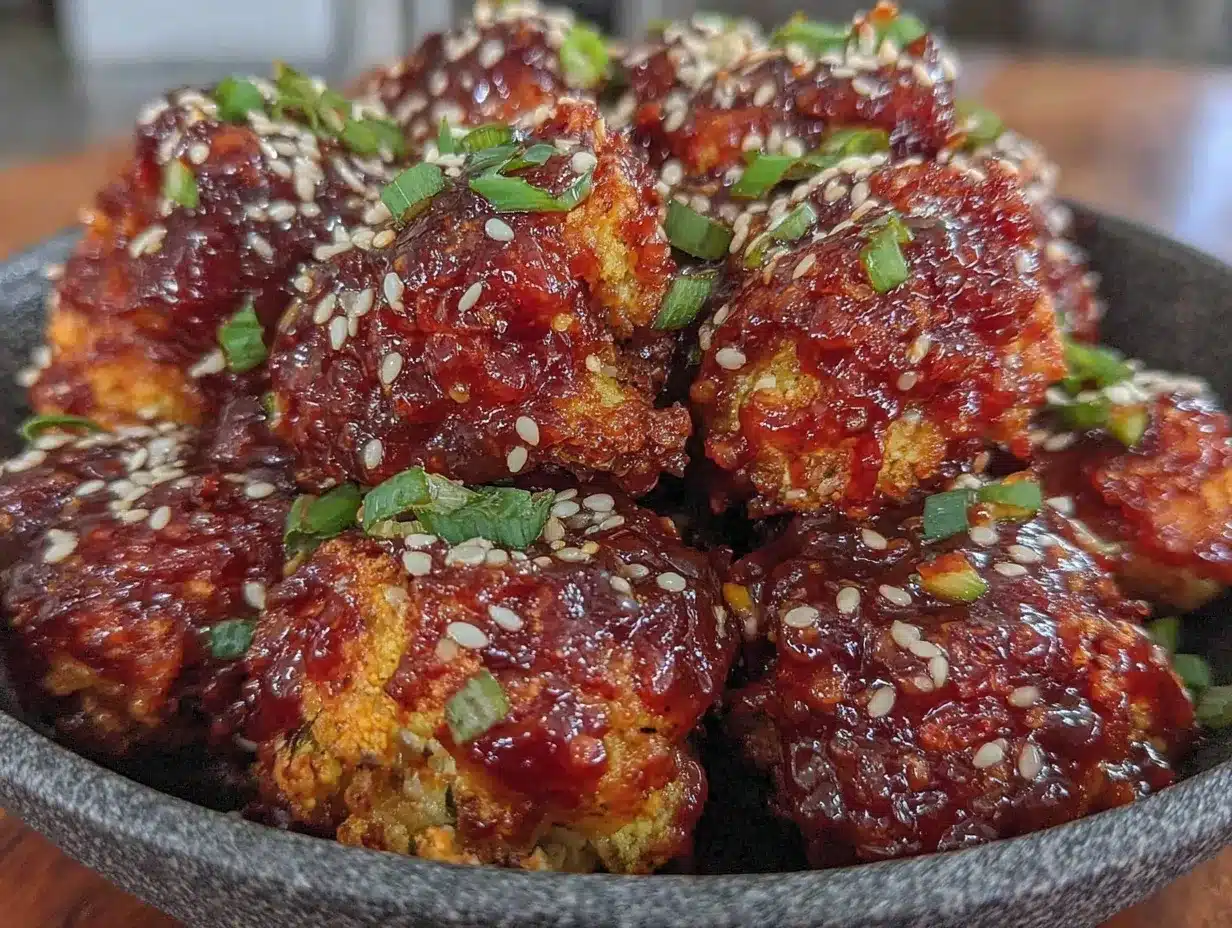
- Preheat your oven to 425°F (220°C). This high heat is key for getting that crispy exterior without drying out the cauliflower.
- Prepare the cauliflower: Rinse and pat dry 1 large head of cauliflower, then cut into bite-sized florets. Make sure they’re roughly the same size for even cooking.
- Make the batter: In a medium bowl, whisk together ½ cup (60g) all-purpose flour, 1 teaspoon garlic powder, ½ teaspoon salt, and ½ cup (120ml) water until smooth. The batter should be thick enough to coat but not too gloopy — think pancake batter consistency.
- Coat the cauliflower: Toss the florets in the batter, making sure each piece is nicely coated. Shake off excess batter so it’s not dripping.
- Bake the cauliflower: Spread the battered florets out on a parchment-lined baking sheet in a single layer. Drizzle or brush with 2 tablespoons olive oil for extra crispiness. Bake for 20 minutes, flipping halfway through to brown evenly.
- While cauliflower bakes, make the sauce: In a small bowl, whisk together 3 tablespoons gochujang, 2 tablespoons soy sauce, 2 tablespoons honey, 1 tablespoon rice vinegar, 1 teaspoon sesame oil, and 2 cloves minced garlic until smooth.
- Toss and finish baking: When the cauliflower is golden and crisp, remove from oven and transfer to a large bowl. Pour the Korean sauce over the cauliflower and gently toss to coat every piece.
- Return to oven: Spread the sauced cauliflower back onto the baking sheet and bake for an additional 10 minutes. This step lets the sauce caramelize slightly and stick to the cauliflower.
- Garnish and serve: Sprinkle with 1 teaspoon toasted sesame seeds and 2 sliced green onions before serving.
Quick tip: If you notice your cauliflower getting soggy, make sure your florets aren’t overcrowded on the baking sheet. Give them space to crisp up properly. Also, be patient with the baking times — rushing will cost you that perfect crunch. If you’re curious about comforting dishes with a creamy touch, this Korean baked cauliflower pairs nicely with a bowl of creamy vegetable soup for a cozy meal.
Cooking Tips & Techniques
Getting that perfect crispy texture with Korean baked cauliflower is all about balance and timing. Here are some tips I’ve learned from trial and error:
- Don’t skip the batter: It’s what gives the cauliflower that light, crispy coating. Thicker batter means more crunch, but too thick and it can get gummy.
- Use high heat: Baking at 425°F (220°C) helps the edges brown and crisp up without drying the insides. Lower temps just won’t give you that satisfying crunch.
- Flip halfway: Flipping the cauliflower midway through baking ensures even crisping on all sides. I usually use tongs to avoid breaking the florets.
- Don’t overcrowd the pan: Crowding causes steaming instead of roasting, which makes for soggy cauliflower. Spread them out in a single layer.
- Caramelize the sauce: Baking the sauced cauliflower again at the end helps the sauce stick and develop a slight char, which amps up the flavor.
- Toast sesame seeds: For extra nuttiness, toast the seeds in a dry skillet for a minute or two until fragrant.
- Adjust spice level: If you’re sensitive to heat, start with less gochujang and add more after tasting the sauce. It’s much easier than trying to tame a sauce that’s too spicy.
One mistake I made early on was using wet cauliflower without drying it properly, which made the batter slide right off. Patting the florets dry makes a big difference. Also, if you like multitasking, you can start your sauce while the cauliflower bakes the first time—it saves valuable minutes!
Variations & Adaptations
This Korean baked cauliflower recipe is flexible and easy to tweak based on your preferences or pantry supplies. Here are a few tasty variations to try out:
- Spicy Peanut Sauce: Swap the gochujang sauce for a homemade peanut sauce using peanut butter, soy sauce, lime juice, and a dash of sriracha for a creamy, nutty twist.
- Gluten-Free Option: Use chickpea or rice flour instead of all-purpose flour for the batter, and tamari in place of soy sauce to keep it gluten-free.
- Air Fryer Version: Toss the battered cauliflower in the air fryer at 400°F (205°C) for 15 minutes instead of baking, shaking the basket halfway for even crispiness.
- Sweet & Mild: Reduce the gochujang to 1 tablespoon and add extra honey for a sweeter, less spicy dish. Great for kids or spice-shy eaters.
- Personal Favorite: I sometimes add a sprinkle of toasted crushed peanuts on top along with sesame seeds for extra crunch and flavor complexity.
Feel free to customize the garnishes too — a squeeze of lime juice or chopped cilantro can brighten the dish beautifully. For a heartier meal, serve with steamed rice or alongside my creamy chicken pot pie for a touch of indulgence.
Serving & Storage Suggestions
Korean baked cauliflower is best enjoyed hot out of the oven when it’s at peak crispiness. Serve it as a snack, appetizer, or part of your main meal. It pairs wonderfully with cool cucumber salad or simple steamed rice to balance the heat.
Leftovers can be stored in an airtight container in the refrigerator for up to 3 days. To reheat, spread the cauliflower on a baking sheet and warm it in a 375°F (190°C) oven for about 8-10 minutes. This helps restore some of the original crunchiness, unlike microwaving which can make it soggy.
Over time, the flavors actually deepen, making it even tastier the next day — perfect for meal prep or a quick lunch. Just add fresh green onions or a sprinkle of sesame seeds after reheating to refresh the look and taste.
Nutritional Information & Benefits
This Korean baked cauliflower recipe is a nutrient-rich, lower-calorie alternative to fried snacks. Cauliflower is packed with fiber, vitamins C and K, and antioxidants, which support digestion and immunity. Using baking instead of frying cuts down on unhealthy fats, making it a friendlier option for heart health.
The gochujang sauce adds flavor without excess sugar or oil, and the use of natural sweeteners like honey keeps it balanced. This recipe is naturally gluten-free with a simple substitution, and free from processed additives, making it a wholesome choice.
From a wellness perspective, incorporating dishes like Korean baked cauliflower into your routine helps you enjoy bold, exciting tastes while sticking to health goals. Plus, it’s a clever way to satisfy cravings for spicy, crispy foods without the guilt.
Conclusion
If you’re looking for a recipe that’s easy, flavorful, and a little different from the usual veggie side, Korean baked cauliflower is the way to go. It’s packed with personality and has become a staple in my kitchen for good reason. Whether you’re feeding family, entertaining friends, or just craving a tasty snack, this dish checks all the boxes.
Don’t hesitate to tweak the spice levels or try out some of the variations I mentioned — cooking should be fun and personal. I hope it becomes one of your favorites too. If you make this recipe, I’d love to hear how it turned out or what twists you added. Sharing your experience helps all of us discover new ways to enjoy good food.
Go ahead, give it a try tonight and bring some bold Korean flavors into your home. And if you’re looking for other comforting dishes with a twist, you might enjoy my loaded potato soup recipe that’s perfect for chilly evenings.
FAQs About Korean Baked Cauliflower
Can I make this Korean baked cauliflower vegan?
Yes! Just swap honey for maple syrup or agave nectar, and use a gluten-free flour if needed. The rest of the ingredients are plant-based.
How can I make the cauliflower extra crispy?
Make sure to pat the cauliflower dry before battering, don’t overcrowd the baking sheet, and bake at a high temperature. Tossing the cauliflower in oil before baking also helps.
Is gochujang very spicy?
Gochujang has a mild to moderate heat with a sweet and savory flavor. If you’re sensitive to spice, use less and adjust to taste.
Can I prepare this recipe ahead of time?
You can prep the cauliflower and batter in advance and store the sauce separately. Bake just before serving for best crispiness.
What can I serve with Korean baked cauliflower?
It pairs well with steamed rice, simple salads, or soups like the easy creamy tomato soup for a comforting meal.
Pin This Recipe!
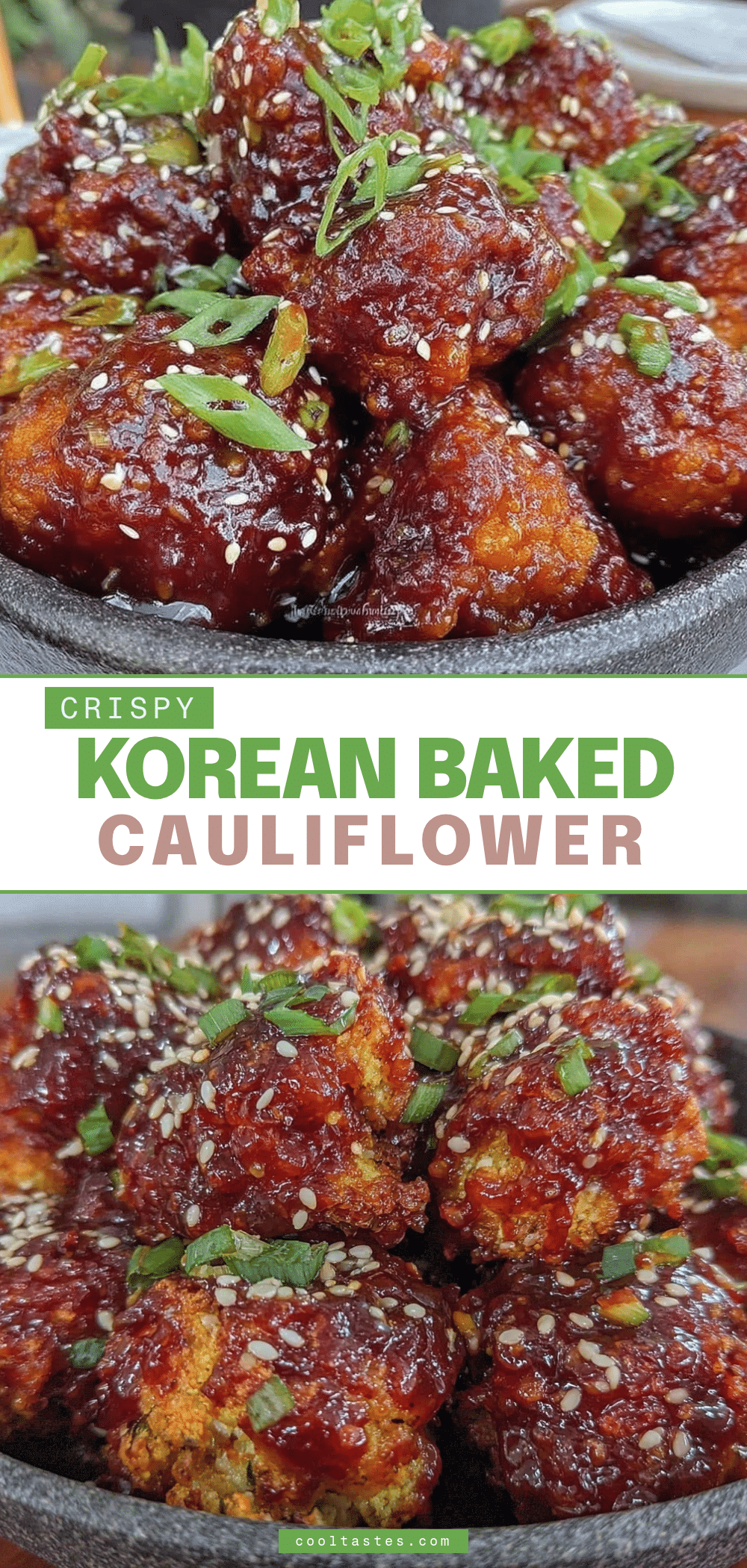
Korean Baked Cauliflower Recipe Easy Crispy Korean Cauliflower at Home
A healthier, flavor-packed Korean baked cauliflower recipe that delivers crispy, spicy-sweet bites perfect for snacks or meals. Ready in under 40 minutes with simple pantry ingredients.
- Prep Time: 15 minutes
- Cook Time: 30 minutes
- Total Time: 45 minutes
- Yield: 4 servings 1x
- Category: Appetizer, Snack, Side Dish
- Cuisine: Korean
Ingredients
- 1 large head cauliflower, cut into bite-sized florets
- 2 tablespoons olive oil
- ½ cup all-purpose flour (can substitute with gluten-free flour)
- ½ cup water
- 1 teaspoon garlic powder
- ½ teaspoon salt
- 3 tablespoons gochujang (Korean chili paste)
- 2 tablespoons soy sauce
- 2 tablespoons honey or maple syrup
- 1 tablespoon rice vinegar
- 1 teaspoon sesame oil
- 2 cloves minced garlic
- 1 teaspoon sesame seeds (for garnish)
- 2 stalks green onions, thinly sliced (for garnish)
Instructions
- Preheat your oven to 425°F (220°C).
- Rinse and pat dry the cauliflower, then cut into bite-sized florets ensuring even size.
- In a medium bowl, whisk together ½ cup all-purpose flour, 1 teaspoon garlic powder, ½ teaspoon salt, and ½ cup water until smooth with a pancake batter consistency.
- Toss the cauliflower florets in the batter, coating each piece well and shaking off excess batter.
- Spread the battered florets on a parchment-lined baking sheet in a single layer. Drizzle or brush with 2 tablespoons olive oil.
- Bake for 20 minutes, flipping halfway through for even browning.
- While baking, whisk together 3 tablespoons gochujang, 2 tablespoons soy sauce, 2 tablespoons honey, 1 tablespoon rice vinegar, 1 teaspoon sesame oil, and 2 cloves minced garlic until smooth.
- Remove the cauliflower from the oven and transfer to a large bowl. Pour the Korean sauce over and gently toss to coat evenly.
- Return the sauced cauliflower to the baking sheet and bake for an additional 10 minutes to caramelize the sauce.
- Sprinkle with toasted sesame seeds and sliced green onions before serving.
Notes
Pat cauliflower dry before battering to prevent batter from sliding off. Do not overcrowd the baking sheet to ensure crispiness. Flip cauliflower halfway through baking for even browning. Toast sesame seeds for extra nuttiness. Adjust gochujang amount to control spice level. Sauce caramelizes best with the final 10-minute bake. Leftovers reheat best in oven to maintain crispiness.
Nutrition
- Serving Size: Approximately 1 cup
- Calories: 150
- Sugar: 7
- Sodium: 450
- Fat: 7
- Saturated Fat: 1
- Carbohydrates: 20
- Fiber: 4
- Protein: 4
Keywords: Korean baked cauliflower, crispy cauliflower, gochujang recipe, healthy Korean snack, baked vegetable recipe, gluten-free Korean recipe, spicy cauliflower